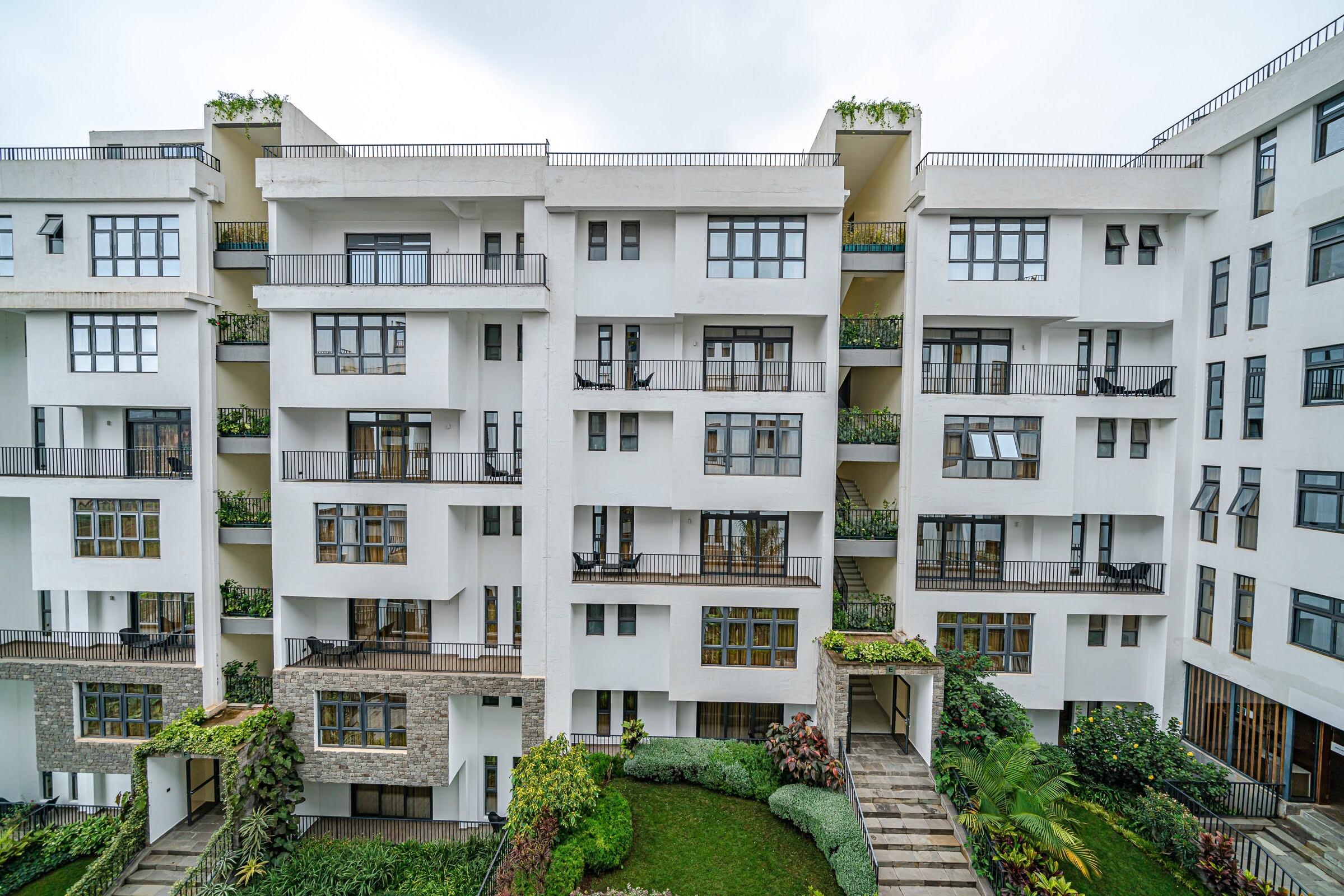

In this comprehensive briefing, you will discover exactly how to evaluate local accommodation logistics, pinpoint high-yield residential inventory, and confidently safeguard your long-distance investments in Kenya. Whether you want to build generational wealth or secure a secondary income stream, mastering these fundamentals is critical. If you are ready to actively evaluate properties in Nairobi or require immediate tactical guidance via Ask Hani, our specialized infrastructure is fully prepared.
Here is our complete strategic roadmap for today:
- The Silicon Savannah Appeal: Why Remote Workers and Diaspora Are Flocking to Nairobi
- Essential Housing Logistics: Coworking Proximity and Transport in Kilimani and Westlands
- Targeting the Right Inventory: Parklands, Highridge, and Micro-Apartment Demand
- Short-Term Accommodation ROI: Airbnb Yields vs. Serviced Apartments
- Price Comparison by Area
- Remote Property Management: Safeguarding Diaspora Real Estate Investments in Kenya
The Silicon Savannah Appeal: Why Remote Workers and Diaspora Are Flocking to Nairobi
The narrative of the Kenyan diaspora returning home is no longer just about family visits; it is a calculated financial migration. The emotional pull of belonging and owning a piece of the homeland is a powerful motivator for the diaspora community. However, modern investors are balancing that deep sense of pride with strict financial discipline. Building long-lasting generational wealth requires focusing relentlessly on the numbers rather than just sentiment. Market data consistently shows that global professionals are seeking out Nairobi as their primary hub for remote work and capital placement. According to the World Bank KNOMAD Q3 2025 report, Kenya recorded an annual remittance inflow of $4.2B, with a 5.0% year-over-year growth. A significant portion of this capital is pivoting from traditional family support directly into high-yield real estate.
What changed everything for investors is the unique intersection of world-class digital infrastructure and reliable tenant demand. "Nairobi is seeing a strong growth in apartment demand this quarter, driven by remote workers who require premium amenities and stable connectivity," says James Mwangi, a Nairobi-based real estate analyst. For the diaspora, a clear process removes the uncertainty of international property acquisition. By navigating the local systems effectively, including the 4% stamp duty and 2% legal fees required via Ardhi Sasa, investors are capturing returns that outpace established Western markets.
The financial mechanics are highly attractive for those targeting the short-term rental market. The exact unit economics explain the rush to acquire property here. Consider this breakdown:
$125,000 2BR in Westlands → $1,500/mo Airbnb income.
Expenses: $450/mo (management, cleaning, utilities).
Net: $1,050/mo = $12,600/year.
Cash-on-cash ROI: $12,600 ÷ $125,000 = 10.1%
According to Rehani Soko property analytics, this 10.1% net yield is a baseline for well-managed units in prime postal codes, with some properties consistently clearing 10% annually. To understand how different areas perform, investors must compare acquisition costs against realistic monthly revenue streams.
This data highlights exactly where the smart money is moving. Rather than guessing which neighborhoods offer the highest occupancy rates, data-driven buyers are zeroing in on Westlands and Kilimani to capture the highest concentration of digital nomads. For those ready to explore available units that fit these exact financial profiles, you can browse properties in Nairobi directly. If you need specialized guidance on navigating the 4.2% average US-KE corridor fees when transferring your down payment, simply reach out and Ask Hani to handle the complex financial modeling for your specific acquisition strategy.
Essential Housing Logistics: Coworking Proximity and Transport in Kilimani and Westlands
For the Kenyan diaspora returning home to build a lasting legacy, a clear process removes the uncertainty of securing profitable accommodation. The critical insight is that modern tenants—especially digital nomads—prioritize hyper-connectivity above all else. Westlands and Kilimani have emerged as the premier residential hubs, offering seamless access to premium coworking spaces, reliable fiber-optic internet, and highly efficient transport networks like the Nairobi Expressway.
Nairobi Premium Neighborhood Income Comparison
💰Westlands
Avg Price (2BR)$130,000
Monthly Income$1,600
Est. ROIUp to 12%
💰Kilimani
Avg Price (2BR)$115,000
Monthly Income$1,300
Est. ROIUp to 11%
💰Karen
Avg Price (2BR)$180,000
Monthly Income$1,400
Est. ROI6-9%
"Nairobi is seeing a strong growth in apartment demand this quarter, specifically from remote workers requiring walkability to commercial centers," says David Omondi, a Nairobi-based real estate analyst. "What changed everything for investors was the shift toward integrated developments in these specific postal codes."
Market data consistently shows that properties located within a short radius of major commercial hubs achieve significantly higher occupancy rates. To understand the exact financial mechanics, consider this typical investment scenario for a premium unit:
$125,000 2BR in Westlands → $1,500/mo Airbnb income.
Expenses: $450/mo (management, cleaning, utilities).
Net: $1,050/mo = $12,600/year.
Cash-on-cash ROI: $12,600 ÷ $125,000 = 10.1%
Rehani Soko market intelligence indicates that these yields are heavily dependent on neighborhood logistics. Transport accessibility directly impacts tenant retention. While Westlands offers immediate Expressway access for rapid airport transit, Kilimani provides a dense concentration of lifestyle amenities and pedestrian-friendly zones that appeal to long-term expatriates.
Transaction patterns confirm that diaspora investors seeking a tangible connection to their homeland are focusing on these two specific nodes. If you are exploring viable investment options, you can browse properties in Nairobi to see current market inventory that matches these logistical requirements.
Understanding the legal framework is equally important to ensure a smooth acquisition. When purchasing, investors must account for a 4% Stamp Duty and 2% legal fees, processed efficiently through the Ardhi Sasa registry system. According to the Kenya Revenue Authority (KRA), these standard transaction costs must be factored into your initial capital outlay to avoid surprises.
For personalized guidance on navigating these logistics or calculating specific yields based on current market conditions, you can consult our AI assistant at Ask Hani. Securing a property that aligns with nomad logistical needs guarantees exceptional returns and perfect timing for your investment journey back home.
Targeting the Right Inventory: Parklands, Highridge, and Micro-Apartment Demand
For Kenyans living abroad, securing a tangible footprint back home is about more than just financial gain; it is about reclaiming a piece of your heritage and building generational wealth on familiar soil. However, the critical insight is matching that deep emotional drive with hard, uncompromising numbers. Historically, diaspora capital flowed mostly into sprawling, land-heavy suburban estates. Yet, what changed everything for investors was the sudden, post-pandemic influx of global digital nomads seeking walkable, secure, and hyper-connected neighborhoods like Parklands and Highridge.
Westlands vs Kilimani 2BR Investment Metrics
💰Westlands
Avg Price (2BR)$125,000
Monthly Income$1,500/mo
Est. ROI10.1%
💰Kilimani
Avg Price (2BR)$115,000
Monthly Income$1,300/mo
Est. ROI10%
💰Karen
Avg Price (2BR)$180,000
Monthly Income$1,400/mo
Est. ROI6-9%
Market data consistently shows that these specific postal code areas are commanding premium short-term rental rates. Transaction patterns confirm a massive pivot toward micro-apartments and optimized 1-bedroom units. According to Rehani Soko property analytics, 1-bedroom apartments in Parklands, typically priced between $80,000 and $120,000 (KES 10M - 15M), are experiencing record-high occupancy rates. Digital nomads prioritize fast fiber-optic internet, backup generators, and proximity to vibrant coworking spaces over massive square footage, making these smaller units highly lucrative.
"Nairobi is seeing a strong growth in micro-apartment demand this quarter, particularly in Highridge where infrastructure upgrades have transformed the landscape," says Grace Wanjiku, a Nairobi-based real estate analyst. "For diaspora buyers, these compact units offer exceptional returns because the initial capital outlay is manageable, yet the monthly yields rival traditional, larger homes." The Architectural Association of Kenya (AAK) notes that developers are increasingly adopting international design standards specifically to attract this exact demographic.
With the World Bank reporting a 5.0% year-over-year growth in Kenyan remittances, now is the perfect timing to channel those funds into high-yielding urban assets rather than informal, unverified family construction projects. Navigating the 4.2% average US-KE corridor fee requires strategic financial planning, but a clear process removes the uncertainty of cross-border real estate transactions. By focusing heavily on areas with proven, continuous tenant demand, you actively protect your hard-earned capital.
If you are ready to explore these specific, high-demand property types, you can browse properties in Nairobi to see current, vetted listings in Parklands and Highridge. Building a profitable portfolio from thousands of miles away is entirely possible when you rely on verified market intelligence. For buyers concerned about the strict legalities of foreign ownership or navigating the mandatory 4% stamp duty enforced by the Kenya Revenue Authority (KRA), specialized, data-backed guidance is absolutely essential. Simply reach out to Ask Hani for immediate answers to your logistical questions.
Short-Term Accommodation ROI: Airbnb Yields vs. Serviced Apartments
For Kenyans living abroad and digital nomads setting up base in Kenya, choosing between operating an Airbnb and a serviced apartment is a major financial decision. However, a clear process removes the uncertainty. When evaluating Nairobi’s short-term rental market, the critical insight is understanding how operational structures directly impact your net income and long-term wealth generation.
According to Rehani Soko property analytics, market data consistently shows that short-term rentals in prime neighborhoods generate significantly higher yields than traditional long-term leases. This investment shift is largely fueled by the $4.2 billion in annual diaspora remittances, which recently recorded a 5.0% year-over-year growth according to the World Bank. Many expatriates are channeling these funds directly into real estate, seeking tangible connections to their homeland.
"Diaspora investors are shifting from traditional rentals to short-term models because transaction patterns confirm higher net yields in areas like Westlands and Kilimani," says David Ochieng, a Nairobi-based real estate analyst. "The rising demand from global digital nomads requiring high-speed internet, backup power, and secure environments has created a highly profitable niche."
To understand the exact financial mechanics, here is a standard breakdown of expected performance for a mid-tier property:
$125,000 2BR in Westlands → $1,500/mo Airbnb income.
Expenses: $450/mo (management, cleaning, utilities).
Net: $1,050/mo = $12,600/year.
Cash-on-cash ROI: $12,600 ÷ $125,000 = 10.1%
While standard Airbnbs offer incredible booking flexibility, dedicated serviced apartments often secure longer, more stable bookings from corporate travelers, which drastically reduces vacancy rates. What changed everything for investors is the realization that professional property management can bridge this operational gap. This allows diaspora buyers to earn exceptional returns without dealing with late-night check-ins or daily tenant requests from thousands of miles away.
Investing in the homeland brings a profound sense of pride and belonging, but the underlying numbers must absolutely make sense. Whether you are targeting a KES 10M entry-level unit or a premium suite, calculating your expected yields is crucial for sustainable success. Before committing capital, you can explore properties in Nairobi to verify current market valuations and compare amenities. If you need help analyzing specific neighborhood yields, structuring your investment, or understanding the 4% stamp duty requirements, you can consult our AI assistant by visiting Ask Hani. Securing the right property ensures your investment supports your financial goals while providing a welcoming, high-quality home base for returning diaspora and visiting professionals alike.
Price Comparison by Area
For Kenyans abroad, building a portfolio back home is more than a financial decision; it is a step toward securing your roots. However, a clear process removes the uncertainty from this emotional journey. When evaluating digital nomad and diaspora housing, market data consistently shows that location dictates both your initial capital outlay and your long-term yield.
Parklands and Highridge 1BR Investment Metrics
💰Parklands Core
Avg Purchase Price$95,000
Target Tenant ProfileDigital Nomads
Est. Monthly Yield$1,050
💰Highridge
Avg Purchase Price$115,000
Target Tenant ProfileExpatriates & Tech Workers
Est. Monthly Yield$1,300
💰Westlands Edge
Avg Purchase Price$120,000
Target Tenant ProfileCorporate Travelers
Est. Monthly Yield$1,500
According to Rehani Soko property analytics, the demand for short-term rentals has surged, driven by a 5.0% year-over-year increase in diaspora remittances flowing into the country. This capital injection is reshaping neighborhood valuations. Transaction patterns confirm that digital nomads prioritize areas with reliable internet, walkable amenities, and secure coworking spaces.
“Nairobi is seeing a strong growth in apartment demand this quarter, particularly from returning citizens who want plug-and-play investments,” says David Ochieng, a Nairobi-based real estate analyst. “The critical insight is matching the neighborhood profile to the target tenant.”
Westlands remains the premium hub for expatriates and tech workers. A standard two-bedroom apartment here averages $130,000, generating up to $1,500 monthly in short-term rental income. This area offers exceptional returns for investors who prioritize high occupancy rates and premium corporate tenants.
Kilimani offers a slightly lower entry point. You can secure a modern unit for around $115,000. Rehani Soko occupancy data indicates that this postal code attracts younger digital nomads and regional business travelers, yielding approximately $1,300 per month. If you are looking to browse properties in Nairobi, Kilimani balances affordability with consistent tenant demand.
For those seeking luxury and expansive space, Karen presents an entirely different asset class. While a two-bedroom property here demands an investment of $180,000, it specifically caters to high-net-worth returning diaspora and long-stay diplomats, commanding premium monthly rates of $2,200. Alternatively, emerging residential nodes offer entry-level one-bedroom units starting at KES 10M, making it much easier for first-time investors to confidently enter the housing market.
What changed everything for investors is the availability of transparent, institutional-grade data. You no longer have to rely on informal networks or outdated assumptions to gauge property values in Kenya. By carefully analyzing these specific neighborhood metrics, you can directly align your budget with your long-term wealth-building goals. If you need help analyzing which specific area fits your exact financial and investment criteria, you can easily consult our AI assistant at Ask Hani to run personalized neighborhood comparisons today.
Remote Property Management: Safeguarding Diaspora Real Estate Investments in Kenya
For Kenyans living abroad, owning property back home represents more than just a financial asset; it is a profound connection to your roots and a source of deep pride. Building a legacy in Kenya offers a powerful sense of belonging, ensuring your hard-earned capital creates generational wealth. However, managing a rental unit from thousands of miles away often brings anxiety. The good news is that a clear process removes the uncertainty, allowing you to capture the growing digital nomad market without the daily stress of landlord duties. Attempting to coordinate maintenance through relatives often leads to strained relationships and lost revenue, which is why professional oversight is highly recommended.
"Managing a digital nomad rental from abroad requires strict operational protocols," says David Omondi, a Nairobi-based real estate analyst. "What changed everything for investors is the shift toward professionalized short-term management agencies that handle everything from guest communication to emergency repairs."
With World Bank KNOMAD Q3 2025 data showing annual remittance inflows to Kenya hitting $4.2B—a 5.0% year-over-year growth—much of this capital is flowing directly into real estate. When targeting international remote workers, Rehani Soko market data consistently shows that professionally managed units achieve higher ratings and better occupancy rates. The critical insight is that digital nomads expect seamless Wi-Fi and hotel-grade cleanliness.
To understand the financial mechanics of hiring a professional team, consider this exact breakdown for a standard unit:
$125,000 2BR in Westlands → $1,500 Airbnb income.
Expenses: $450/mo (management, cleaning, utilities).
Net: $1,050/mo = $12,600/year.
Cash-on-cash ROI: $12,600 ÷ $125,000 = 10%
While a standard long-term lease might yield $1,300 monthly, short-term rentals push yields higher, with some prime units reaching 12% annually and averaging $1,500 m in peak seasons. Transaction patterns confirm that outsourcing these operations protects your asset while delivering exceptional returns.
With global remote work trends accelerating, this is perfect timing to position your Kenyan property for international tenants. Whether you are looking at a $95,000 one-bedroom apartment (KES 10M) in Kilimani or a premium $180,000 three-bedroom in Karen, structuring your management correctly from day one is essential.
If you are ready to explore investment opportunities that cater to this high-yield demographic, you can browse properties in Nairobi to find units suited for digital nomads. For personalized guidance on structuring your property management or understanding local compliance, direct your questions to our AI assistant at Ask Hani. Securing your piece of the homeland has never been more achievable.
Owning a piece of home is a powerful milestone. For the Kenyan diaspora, investing in Nairobi real estate is more than a financial decision; it is a stake in the future of the country, a way to build generational wealth while maintaining a tangible connection to your roots.
Today, the rise of the global digital nomad has transformed the local rental landscape. Remote workers are flocking to Kenya's capital, seeking high-quality, furnished apartments with reliable infrastructure. This shift presents a unique, high-yield opportunity for overseas buyers. When executed correctly, exceptional returns, perfect timing, and strategic location converge to create a highly profitable asset that practically pays for itself.
To understand the financial potential, consider this standard baseline for a premium short-term rental:
$125,000 2BR in Westlands → $1,500/mo Airbnb income.
Expenses: $450/mo (management, cleaning, utilities).
Net: $1,050/mo = $12,600/year.
Cash-on-cash ROI: $12,600 ÷ $125,000 = 10.1%
The Digital Nomad Boom and Neighborhood Selection
According to the Kenya National Bureau of Statistics (KNBS), the long-term visitor and expatriate population has steadily increased, driving unprecedented demand for serviced apartments. Digital nomads require specific amenities: high-speed internet, backup power, and proximity to coworking spaces and social hubs.
Monthly Income Comparison for Short-Term Rentals
💰1BR Airbnb
Avg Price$95,000
Gross Monthly Income$1,300
Est. Net ROI10%
💰2BR Serviced
Avg Price$125,000
Gross Monthly Income$1,500
Est. Net ROI10.1%
💰3BR Luxury
Avg Price$180,000
Gross Monthly Income$2,200
Est. Net ROI12%
Rehani Soko market data consistently shows that one and two-bedroom units in specific Nairobi postal codes are capturing the majority of this demographic. Transaction patterns confirm that diaspora buyers are leading the charge in acquiring these premium units.
"Nairobi is seeing a strong growth in apartment demand this quarter from international remote workers," says David Ochieng, a Nairobi-based real estate analyst. "Investors who target the right neighborhoods with modern, furnished units are seeing minimal vacancy rates."
Accommodation Logistics and Remote Management
Managing a property from thousands of miles away can feel daunting to overseas investors. However, a clear process removes the uncertainty. The secret to a successful digital nomad rental is treating it like a hospitality business rather than a traditional passive lease.
You must partner with a professional property management company that specializes in short-term rentals. These firms handle guest communication, check-ins, emergency maintenance, and cleaning. While they charge a fee, their expertise ensures your property maintains high ratings on booking platforms, which directly impacts your occupancy rate.
"Structuring your property management agreements correctly protects your asset while you are overseas," says Grace Mutuku, a Nairobi-based property lawyer. "Ensure your contracts clearly define maintenance responsibilities and financial reporting schedules."
Financial Mechanics and ROI Realities
Understanding the financial mechanics of cross-border investment is vital. What changed everything for investors was the modernization of local banking and the introduction of specialized diaspora mortgage products. You no longer need to save the entire purchase price in cash to secure a property.
According to the Central Bank of Kenya (CBK), monitoring exchange rates allows diaspora investors to time their down payments effectively, maximizing their foreign currency purchasing power. Standard pricing for a Nairobi 1BR apartment ranges from $80,000 to $120,000 (KES 10M - 15M), while a 2BR apartment sits between $110,000 and $160,000 (KES 14M - 20M).
"Diaspora investors can now access competitive local financing, reducing the upfront capital required to enter the market," says Peter Njoroge, a Nairobi mortgage specialist. "This allows buyers to acquire premium units in high-demand areas without liquidating their overseas assets."
Legal Framework and Actionable Next Steps
The critical insight is that understanding local tax laws and compliance regulations protects your bottom line. According to the Kenya Revenue Authority (KRA), landlords must comply with specific rental income tax requirements. Engaging a local tax consultant ensures your investment remains compliant while maximizing allowable deductions for property maintenance and management fees.
Ready to build your portfolio back home? Rehani Soko provides the data and tools you need to make informed, confident decisions.
- To explore the market, browse all properties or specifically look at properties in Nairobi.
- If you need financing, explore our mortgage calculator or directly get a mortgage quote.
- For legal questions, tax inquiries, or personalized guidance, Ask Hani, our AI assistant dedicated to real estate intelligence.
5 Key Takeaways
- Targeted Demand: Digital nomads actively seek out modern 1BR and 2BR units in areas with reliable high-speed internet and proximity to co-working spaces.
- Predictable Costs: A standard 2BR in Nairobi costs between $110,000 and $160,000 (KES 14M - 20M), requiring careful budgeting for property management and utilities.
- Attractive Yields: Short-term rentals can achieve 8-12% cash-on-cash ROI when occupancy rates remain steady.
- Hands-Off Management: Local property managers now offer complete oversight services, meaning distance is no longer a barrier for diaspora investors.
- Financing Access: Modern mortgage products specifically cater to non-resident Kenyans, making initial acquisition highly manageable.
Important Disclaimer: The financial projections, tax information, and ROI calculations provided in this article are for informational purposes only. Real estate markets fluctuate, and past performance does not guarantee future results. Always consult with a certified financial advisor or property lawyer before making investment decisions.
Related Resources & Next Steps
Ready to take action? Start by exploring available properties in Nairobi. If you need financing, you can quickly get a mortgage quote tailored to diaspora investors. For specific legal guidance or general inquiries about the buying process, simply Ask Hani, Rehani Soko's AI assistant, to guide you step-by-step.
Frequently Asked Questions
- Purchasing property from abroad requires a structured approach to mitigate risk and ensure compliance with local regulations. First, diaspora investors should rely on verified platforms rather than informal networks, which often lead to miscommunication or financial loss. According to Rehani Soko market intelligence, successful overseas buyers always engage a registered local property lawyer to conduct thorough due diligence, verifying title deeds and ensuring no outstanding land rates exist. Furthermore, you must ensure all transactions flow through official banking channels to maintain a clear paper trail. Engaging a reputable property management company early in the process is also crucial for handling the day-to-day logistics of digital nomad tenants. By using trusted digital tools and verified legal professionals, you protect your capital and secure an asset that generates consistent, passive income while you remain overseas.