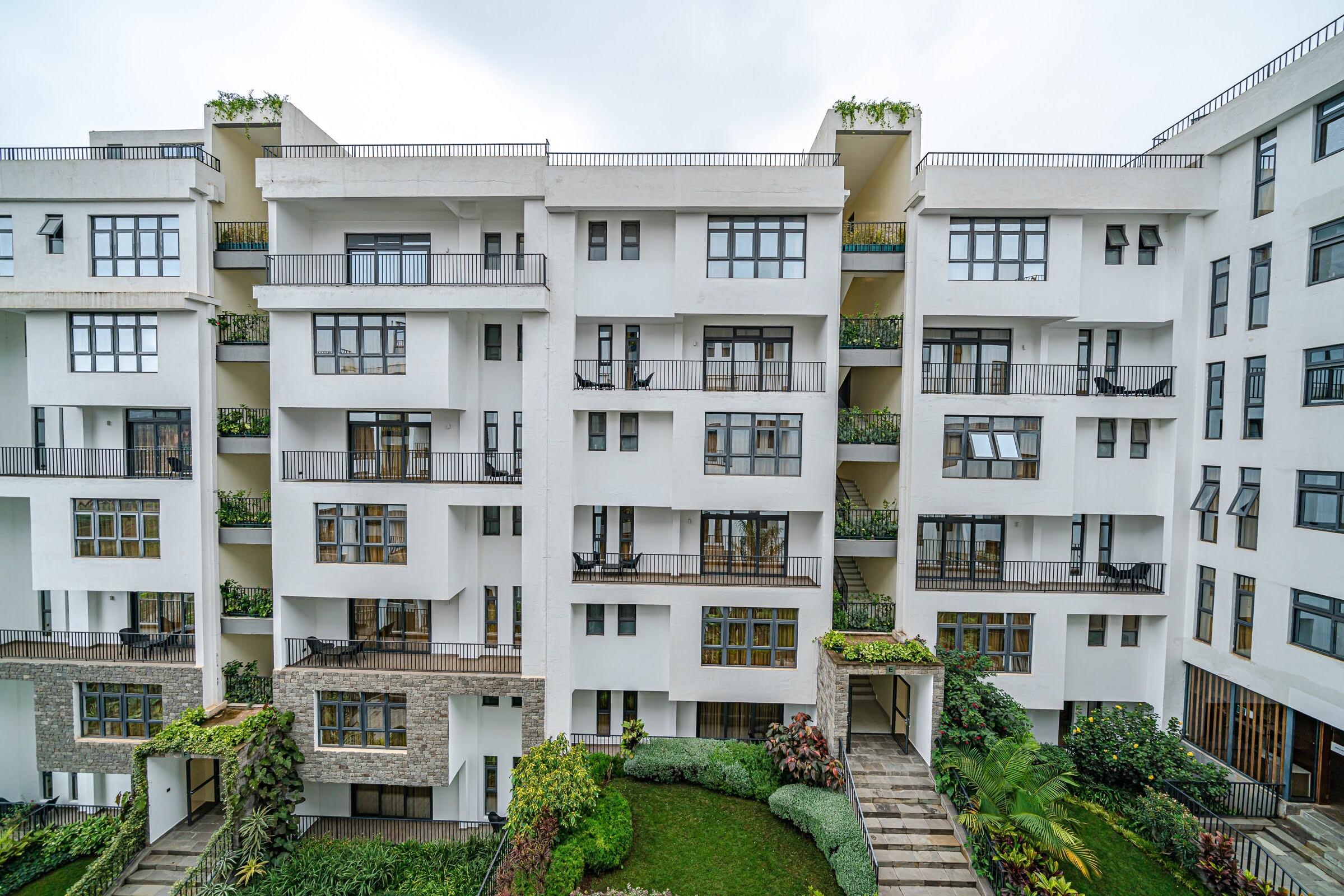
Owning an Airbnb on another continent can feel like juggling flaming torches. You want strong bookings and 5-star reviews, but living thousands of miles away makes on-the-ground care a real challenge. This is where hiring a local property manager pays off: they handle day-to-day tasks so you don’t lose income or guest trust. Many remote hosts in Africa find that a skilled local partner keeps their Cape Town villa or Nairobi apartment guest-ready, turning vacationers into positive reviews, while protecting your ROI.
For a remote host, distance means risk. A local manager knows the market, understands neighborhood norms, and can react instantly if a problem arises. They coordinate cleaners, fix leaky faucets, and welcome guests in person – tasks you can’t do from afar. Experts stress that reputable local firms “typically know how to run an Airbnb remotely” and provide on-site services from guest check-in to maintenance. In short, a local pro bridges the gap: preserving your home and your reputation even when you’re continents away.
Key Services Provided by Managers
A full-service property manager handles nearly every aspect of hosting. Common services include:
- Listing Creation & Marketing: Crafting eye-catching listings with professional photos and compelling descriptions to attract guests.
- Dynamic Pricing Strategy: Using data-driven pricing tools to maximize occupancy and revenue during high and low seasons.
- Guest Communication & Check-In/Out: Managing inquiries and bookings, arranging 24/7 guest support, and coordinating smooth arrivals/departures (key exchanges, walkthroughs).
- Cleaning & Maintenance Coordination: Scheduling cleaning teams between guests, and promptly fixing issues like plumbing or electrical repairs.
- Review & Reputation Management: Encouraging positive reviews and responding to feedback so your property stays highly rated and competitive.
Each of these frees you from endless emails and errands. As one analysis notes, good managers “handle all guest inquiries, booking requests, and communication” and even “arrange for cleaning services” – all vital for a great remote hosting experience.
What Makes a Good Airbnb Property Manager (in Africa)
Not all managers are created equal. Look for local expertise and a proven track record. A top manager should already be active in your city and familiar with neighborhood quirks. For example, Hostaway notes that experienced teams bring “local knowledge and expertise that you will take years of experience to acquire”. They should provide references or case studies to prove success in similar properties.
Communication is another deal-breaker. A good manager answers questions quickly and transparently. As one industry guide warns, a potential manager who is unresponsive during the vetting process “might indicate future communication challenges”. Insist on clear reporting: ask for regular income statements or an online dashboard, so you stay informed without daily check-ins. Finally, ensure they are licensed and insured – a reputable African manager will carry liability coverage so both you and guests are protected in case of accidents.
Cost Models: Flat Fee vs. Revenue Share
Property managers get paid in different ways. The two main models are:
- Percentage of Booking Revenue: Most African managers charge a slice of rental income. Anywhere from 15% to 30% of each booking is common. Urban or high-demand areas tend toward the higher end (20–30%) because of strong competition. Percent-based fees align manager incentives with your income, but can add up during peak seasons.
- Flat Fees: Some managers charge a fixed fee per booking or per month. A flat fee might be $50–$150 per reservation or $100–$500 per month. Flat rates are often used for high-end properties (where a percentage would be very expensive) or for part-time co-hosting services.
Which works best? Percentage models are straightforward and scale with your success. Flat fees can be more cost-effective if your property commands a high nightly rate or sees many bookings. In practice, many owners negotiate hybrids (e.g. 20% + $30 per stay) or performance-based pricing as Uplisting notes. Discuss the fee structure in detail before signing on, and watch for hidden extras (cleaning or maintenance surcharges can sneak in).
Red Flags and Common Pitfalls When Hiring
Be cautious as you vet candidates. Warning signs include:
- Sky-High Fees: If someone asks for 50% or more of your income, think twice. Standard ranges are closer to 20–30%. Overly steep fees can erode your profit.
- Lack of Transparency: Beware if the contract is unclear or locks you in long-term. A bad manager might bind you in a difficult agreement with heavy cancellation penalties. Always understand how to end the partnership if it’s not working.
- No Local Experience: A company “not active in your market” can’t advise on local trends or regulations. Skip managers that can’t clearly demonstrate knowledge of your city’s tourism patterns and neighborhoods.
- Poor Communication: If they’re slow to answer during interviews, they’ll likely be the same when issues arise. As one property management article warns, unresponsiveness during hiring is a red flag.
- Ignoring Regulations: Local laws can affect short-term rentals (for example, permit requirements or tax rules). A good manager will know African city regulations. If they seem unaware or suggest bending rules, it could spell trouble.
- Overpromising: Be wary of guarantees (e.g., “100% occupancy!”). Market forces and seasonality matter. A manager should set realistic expectations.
By comparing proposals carefully and asking for referrals, you can sidestep these pitfalls. Research multiple companies and read reviews (even ex-pat forums can be insightful). A little diligence upfront saves headaches later.
Tech-Enabled vs. Traditional Managers
Property managers in Africa run on a spectrum from cutting-edge to old-school. Tech-enabled managers use software, apps, and smart devices to stay on top of things remotely. For example, modern teams use channel managers to sync calendars across Airbnb, Booking.com and others, automated pricing tools to adjust rates by demand, and chatbots or scheduled emails for guest communication. Many also install smart locks and thermostats so they can grant access or control heating from afar. In short, they can manage multiple homes efficiently with a few clicks.
On the other hand, traditional managers rely more on manual processes: pen-and-paper logs, phone calls, and physical check-in. They might meet guests in person with keys, update calendars by hand, and coordinate cleaning via text. Traditional methods can work well (and some guests appreciate the personal touch), but they’re less scalable. Tech-based systems “automate many of the manual processes… increasing efficiency, saving time, and reducing errors”.
In practice, the best option depends on your needs. Tech-savvy firms offer great oversight from anywhere – but ensure they also provide personal touches (some guests still prefer a warm human greeting). Conversely, a smaller local manager might be more hands-on but may not have advanced reporting tools. When interviewing, ask if they use management software or digital checklists – these tools improve consistency and let you monitor activity online.
City-Specific Recommendations: Cape Town, Nairobi, and Zanzibar
Every market in Africa has its own flavor. Here are a few pointers for each:
Cape Town
This city is a major Airbnb hub (Airbnb reports ~700,000 guests in 2023, with over 21,000 listings). Demand is high in summer months, with average occupancy around 54–75%. To stand out, Cape Town managers often emphasize professional photography and multi-platform marketing (Airbnb, Booking.com, Expedia, etc.) to fill beds year-round.
Look for well-established agencies in the Western Cape. Many offer full services including housekeeping and 24/7 support. Verify that any Cape Town manager you consider has local permits and good guest reviews. Note that South African regulations can change, so choose a manager plugged into local regulations.
Nairobi
Kenya’s capital is a growing market with about 3,400 active Airbnbs. Occupancy is more moderate (around 33%) and average nightly rates (~$48) are lower. Peak season comes around December (during holidays). In Nairobi, strong managers will tap into business and tourism networks. For example, they might target corporate travelers or conference guests. Reputation and language skills matter here, English is primary, but Swahili fluency helps with local maintenance crews.
Agencies specializing in Nairobi often emphasize security and guest vetting (given urban challenges). Ensure your manager understands Nairobi traffic and can coordinate quick check-ins (e.g. meet at a business center rather than expecting guests to navigate city traffic).
Zanzibar
This island paradise has seen booming tourism (+12% revenue growth in 2024). By late 2024 there were 317 Airbnb listings on the island, with about 41% median occupancy and 150 nights booked per year on average. Impressively, over 95% of short-term rental guests in Zanzibar are foreigners. That means a good manager here should excel at catering to international travelers – fluent English, flexible check-in, and possibly offering local hospitality extras (welcome gifts with Zanzibar goods, for instance).
Local managers (like Authentik Hosting) highlight high-quality marketing and transparency – they use professional photos, videos, and social media campaigns to boost bookings, and promise regular inspection reports so remote owners see the care being taken. Check that any Zanzibar manager has contacts for island-specific needs (boat taxi arrangements, tour partnerships, reliable power backup in remote areas, etc.).
Each city’s managers will be familiar with the unique travel patterns and regulations there. When searching online, use city-specific phrases like “Airbnb property management in Cape Town” or “property manager in Zanzibar” to find relevant companies and reviews.
How to Monitor and Evaluate Performance Remotely
Even with a trusted manager, you’ll want data. Ask for regular performance reports on key metrics: occupancy rate, average daily rate (ADR), monthly revenue, expenses and net profit. Compare these numbers against forecasts or similar listings. Tools like AirDNA or Airbtics can help benchmark your property against the market. For example, AirDNA shows Nairobi’s occupancy at ~33% with ADR ~$48, if your Nairobi listing lags far below that, something needs fixing.
Technology can help you stay in the loop. Many managers use online dashboards or property management software to share stats in real time. You can also set up automated reminders (via calendar software or platforms like Turno) for regular inspections and deep cleaning. Smart-home devices are another asset: smart locks let you verify guest arrivals, smart thermostats and leak detectors alert you if anything goes wrong, and even security cameras (in common areas) can reassure you from afar.
Finally, plan to visit periodically if possible. Reading a report is helpful, but nothing beats experiencing the rental like a guest. Turno recommends staying at your own property occasionally to gauge comfort, check amenities, and meet your manager face-to-face. These visits allow you to audit performance (cleanliness, condition, listing accuracy) without micromanaging daily operations.
Tools for Airbnb Investment Oversight (including RehAnalytics)
A wealth of tools exists to make oversight easier. For analytics and projections, consider platforms like Rehani Soko’ RehAnalytics, AirDNA, Airbtics, or AllTheRooms, they aggregate occupancy and rate data by city. For African-specific insights, startups like Rehani’s RehAnalytics are emerging: we use data and AI to evaluate each property’s rental potential in East Africa. (Such tools can help you decide which property to buy or improve, and track projected vs. actual performance.)
For day-to-day management, your manager might use a Property Management System (PMS) such as Hostaway, Guesty or iGMS. These systems sync calendars across channels, automate guest messaging, and generate financial reports. We often integrate with pricing tools like PriceLabs or BeyondPricing for dynamic rates. There are also specialized apps for individual tasks: scheduling cleaners (e.g. Turno, Properly), keyless entry (e.g. RemoteLock, August), and expense tracking (e.g. QuickBooks).
In short, look for tech that centralizes data and automates tasks. For example, a channel manager ensures you never have double bookings; a digital cleaning checklist (sent via app) confirms turnovers are done right; and a financial dashboard lets you log every income and expense to see real ROI. Even if you’re not very tech-savvy, many modern managers will offer an owner portal or monthly emailed statements, so you can click a few buttons and know exactly how the property is doing.
Final Thoughts
Managing remotely is a balancing act. You want control over your investment, but you also hired a professional to do the hard work. The secret is clear communication and trust. Set expectations up front: define KPIs (occupancy targets, review scores) and communication protocols (weekly updates, emergency contacts). Let your manager handle the details, but hold them accountable with numbers and occasional check-ins.
Remember that hands-off doesn’t mean hands-off entirely. Stay involved at a strategic level. Review those monthly reports, read guest feedback, and adjust your strategy (pricing, amenities, rules) in response. If something isn’t right, address it early. But also respect your manager’s expertise – they know the local market.
By hiring well and then trusting, you can enjoy the rewards of your Airbnb investment without losing sleep. The right local team will treat your property with care and run it efficiently, keeping guests happy and your pockets full. As one property owner put it, effective remote hosting boils down to “control without micromanaging”, using the right partners and tools to oversee performance, not check every small task yourself.
Frequently Asked Questions
- In most cases, yes. A local manager handles time-consuming tasks (guest check-in, cleaning, maintenance) that you can’t do from afar. Their expertise often leads to higher occupancy and better reviews, which usually outweigh the fees. Managing everything yourself remotely often risks guest complaints or damage that hurts your ROI. If you value your time and want a professional running the day-to-day, a good manager is typically worth the investment.