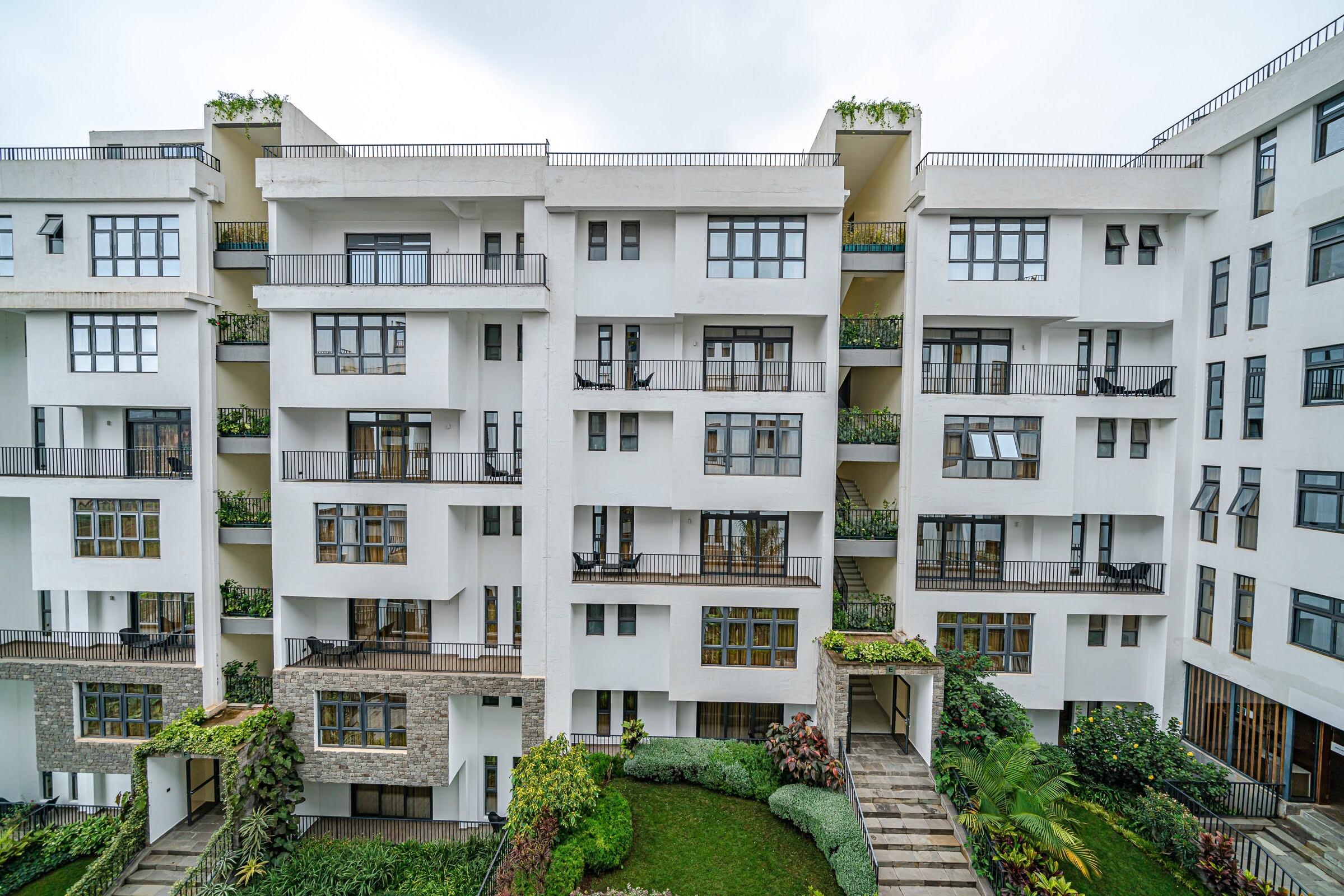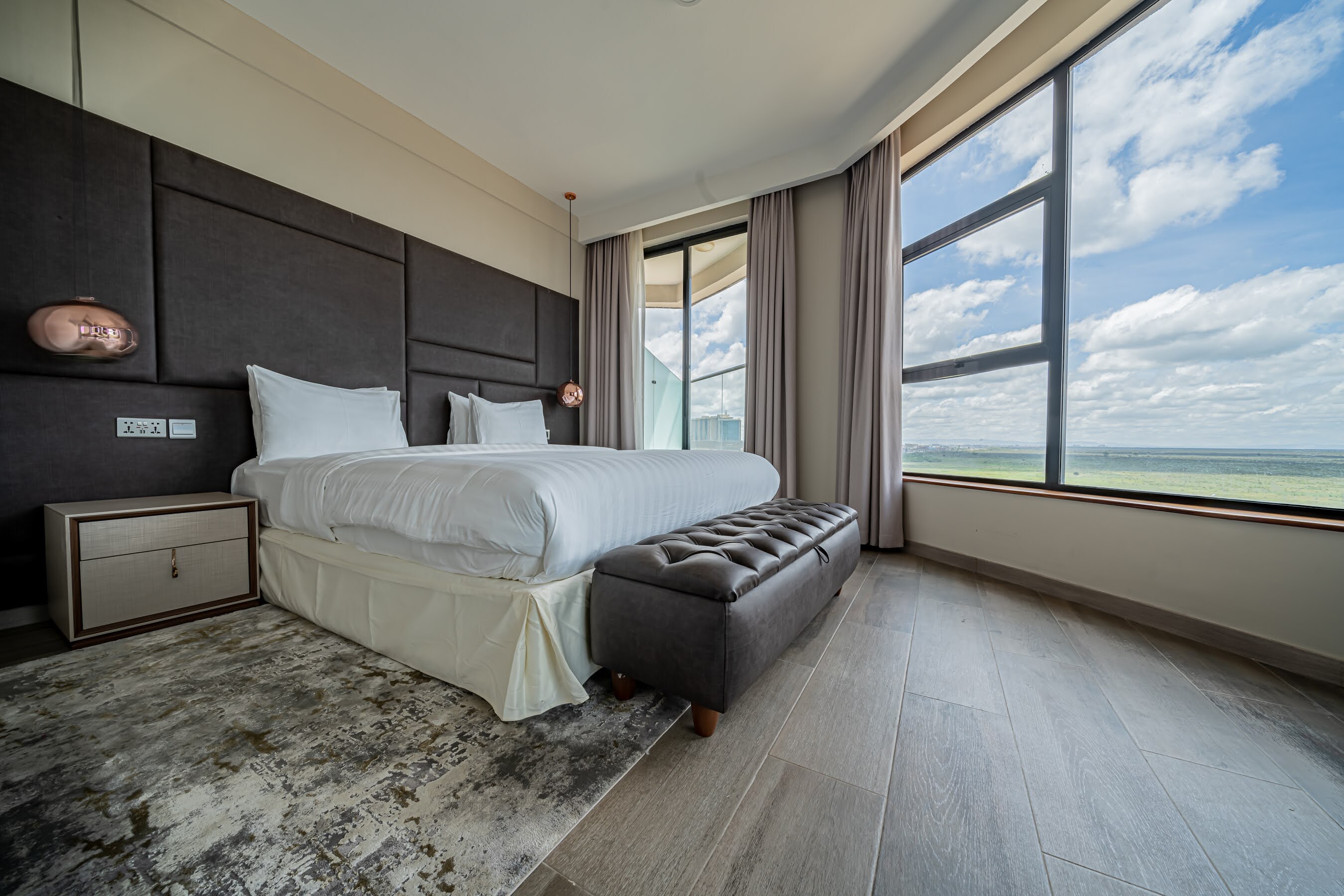
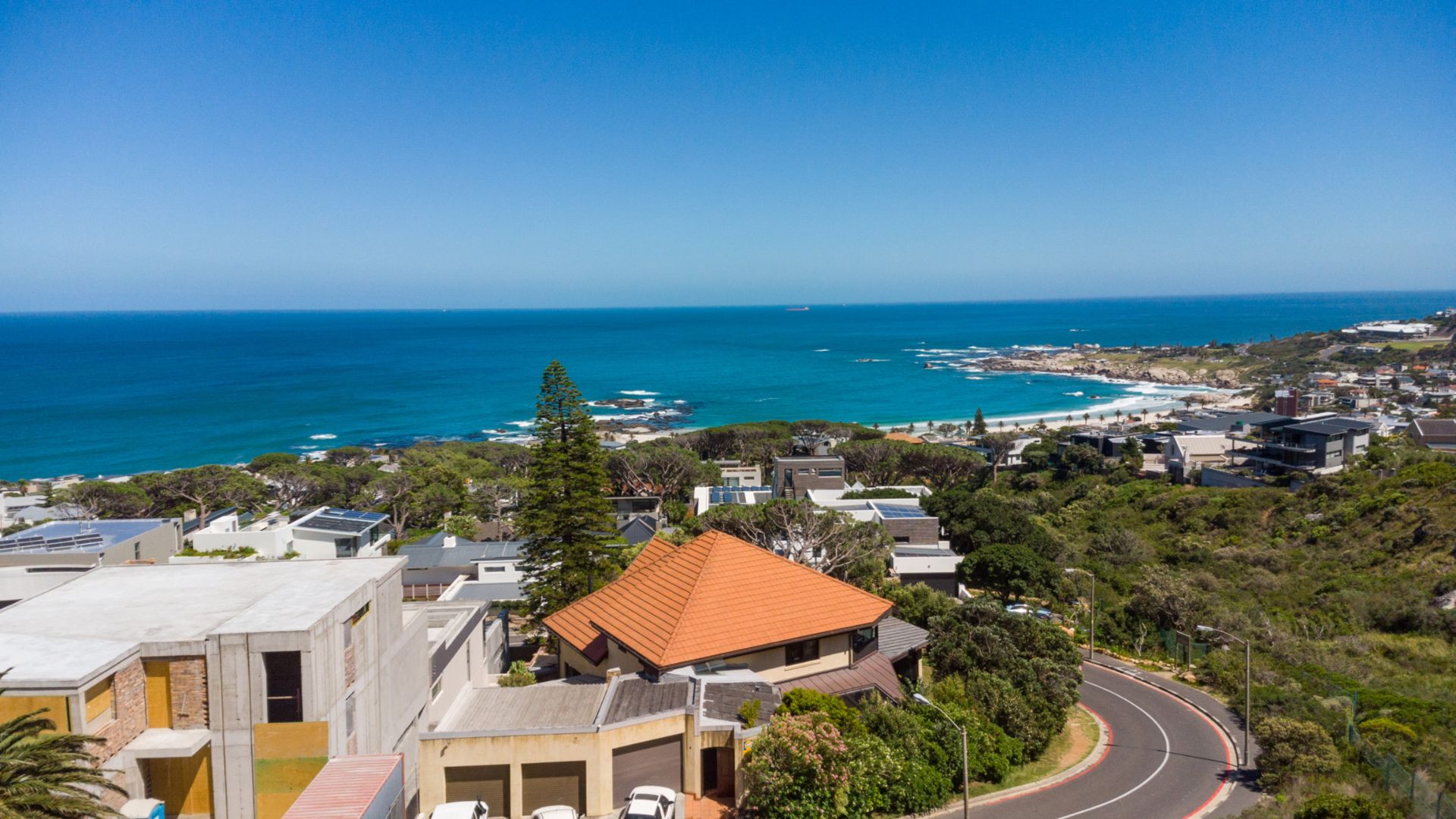
Africa’s major tourist hubs show wide variation in Airbnb performance. For example, Cape Town listings average a 71% occupancy rate (about 259 booked nights/year) with median host revenue ZAR421,000 (~$23,400). By contrast, Nairobi sees roughly 47% occupancy and ~$7,246 annual revenue, while Zanzibar averages 40% occupancy and ~$7,246 yearly revenue. These data-driven metrics help pinpoint where African Airbnb investors earn the most.
Cape Town
Cape Town remains Africa’s top Airbnb market by occupancy and host income. A typical listing in Cape Town is occupied 259 nights/year (71% occupancy), with an ADR around ZAR1,663 ($92). This translates to about ZAR421K (~$23.4K) annual revenue per listing. Even after accounting for costs (Airbnb fees, cleaning, utilities, etc.), hosts can net roughly 70% of gross – on the order of ~$16K/yr profit. That yields a short-term rental ROI of ~10–15% (based on property value), far above typical long-term rental yields in South Africa (4–7%).
In practical terms, Cape Town’s high occupancy reflects year-round tourism – beaches, Table Mountain, wineries and festivals draw guests even off-season. This means stable cash flow and strong Airbnb profitability in Cape Town. The low regulation environment (lenient rules) also helps hosts. The main downsides are seasonality and costs: winter months see dips, and hosts must budget for property maintenance in a busy rental market. Overall, with high demand and solid yields, Cape Town is highly attractive for Airbnb investors.
Nairobi
Kenya’s capital offers a moderate Airbnb market. Occupancy rates in Nairobi average around 47%. The typical ADR is about $44/night, so a listing can gross roughly $7.2K per year. After typical expenses, net profit might be on the order of ~$5K annually. Airbtics reports a short-term rental yield in Nairobi of about 12.3%, meaning the rental income is ~12% of an average property’s value.
In context, Nairobi’s occupancy and revenue are lower than Cape Town’s, but still healthy. Tourism and business travel in Nairobi (safaris, conferences) support a steady guest flow. Costs can include property management (if used), cleaning, and Airbnb’s ~3% host fee. Nairobi’s lenient regulations (favorable to hosts) also give flexibility.
Overall, Airbnb profitability in Nairobi is moderate. The city yields double-digit returns, but because ADR is lower, absolute earnings are smaller. For investors, Nairobi can work, especially with economical properties, but expect smaller cash flow compared to Cape Town.
Zanzibar
Zanzibar Island is a popular beach destination, but its Airbnb performance is more modest. Listings there see about 40% occupancy (roughly 146 nights/year) with an ADR around $49. Median host income is around $7K per year, similar to Nairobi. Airbtics data even peg Zanzibar’s short-term rental yield at ~12.3%.
In practice, that means host net profits of roughly $4–5K annually after costs. The airbnb occupancy rates in Zanzibar reflect a mix of seasonal tourism (peaks in winter holidays) and off-peak slow periods.
Although regulations are lenient, infrastructure and maintenance costs (remote utilities, property upkeep) can eat into profits. In short, Zanzibar yields moderate returns: good demand in high season, but tighter margins.
Conclusion
In summary, Cape Town stands out as Africa’s best Airbnb market among the cities analyzed, with the highest occupancy and host incomes. Its typical short-term rental yield (10–15%) far exceeds local long-term rents. Nairobi and Zanzibar offer modest but still positive returns (~12% yield). Hosts in Nairobi benefit from steady business tourism, while Zanzibar capitalizes on holiday travelers (with more seasonal swings).
For prospective investors or hosts, these insights suggest focusing on high-demand markets. A property in Cape Town (or similarly popular African tourism hub) can generate much higher cash flow, justifying higher purchase prices. However, be prepared for off-season fluctuations and regulatory changes. In all cases, carefully estimate all costs (fees, cleaning, maintenance) and use dynamic pricing to maintain occupancy.
Frequently Asked Questions
- Yes. Cape Town’s high demand and occupancy (~71%) give Airbnb hosts strong profitability. Typical hosts earn a median ~ZAR421K (≈$23K) yearly. Even after costs (cleaning, fees, etc.), returns are about 10–15% of property value. This is much higher than long-term rent yields (4–7%), making Cape Town very profitable for short-term rentals.