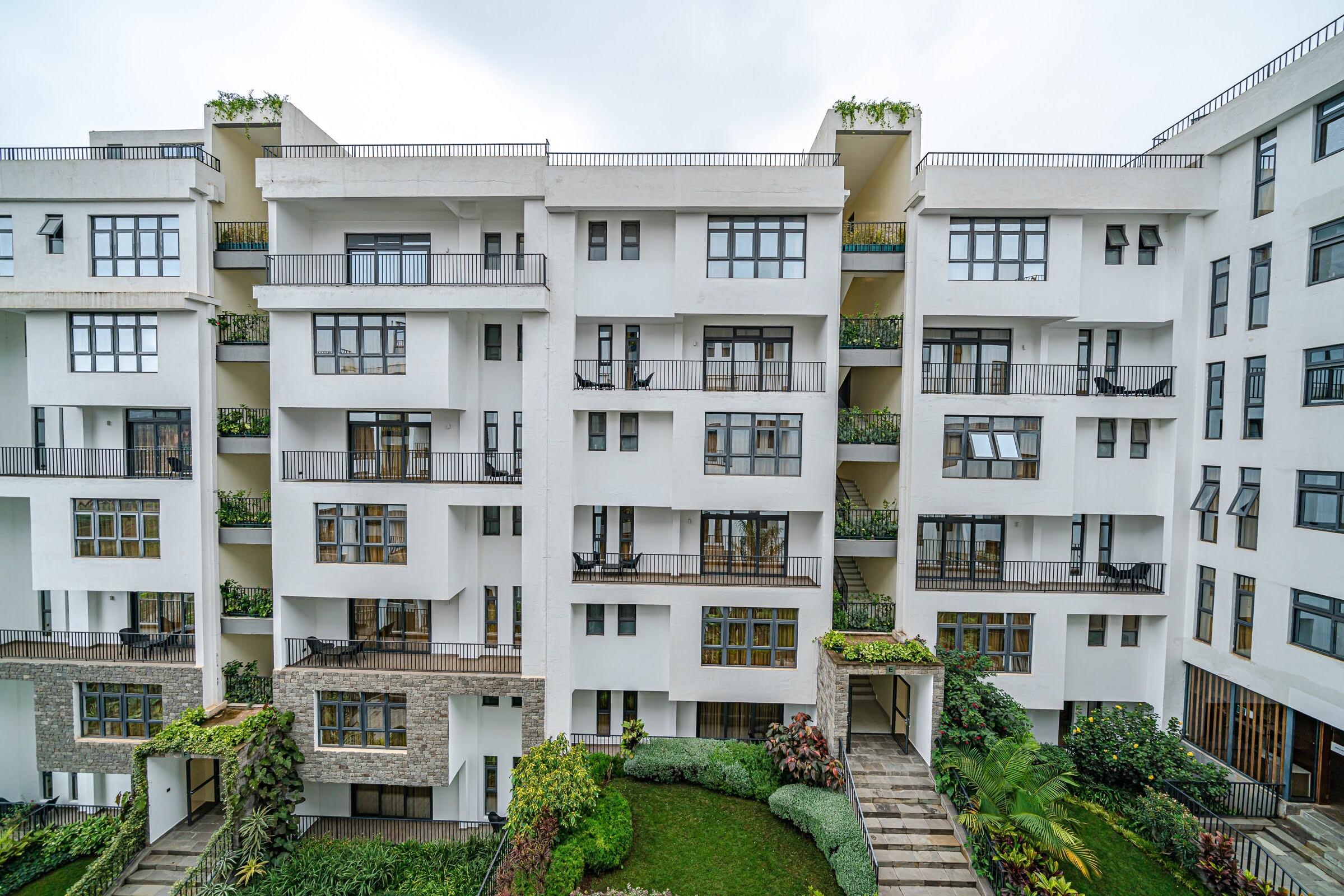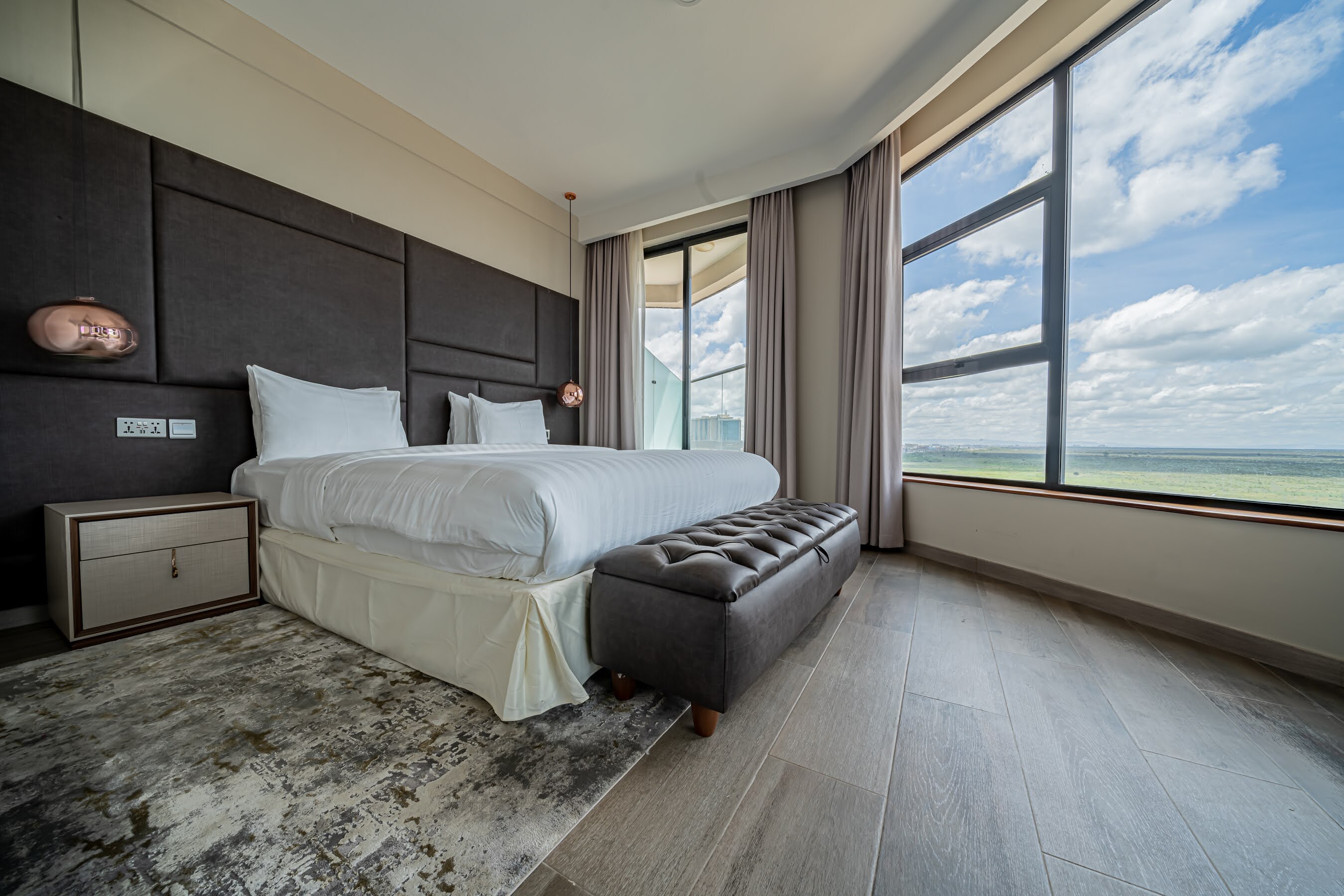
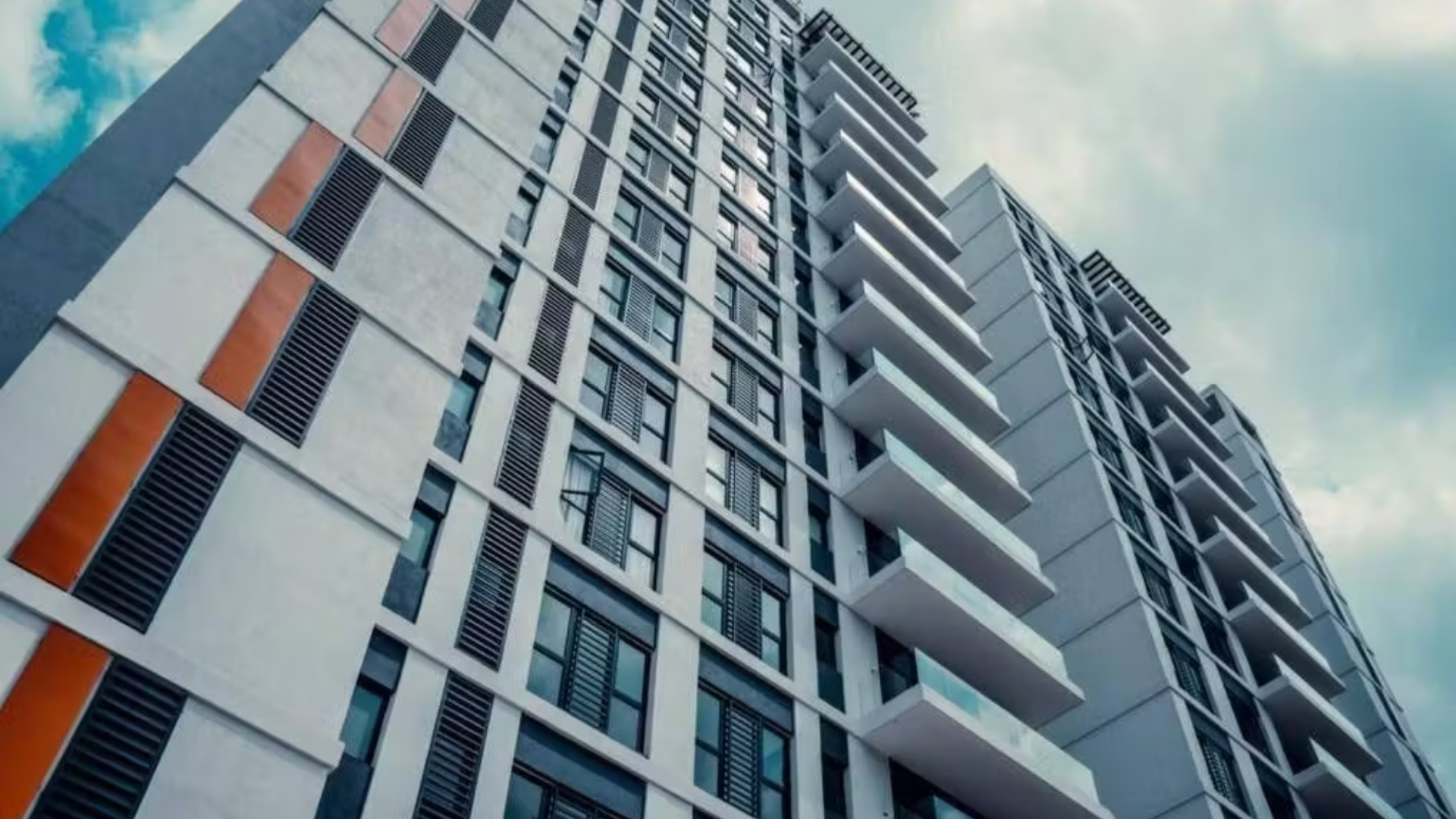
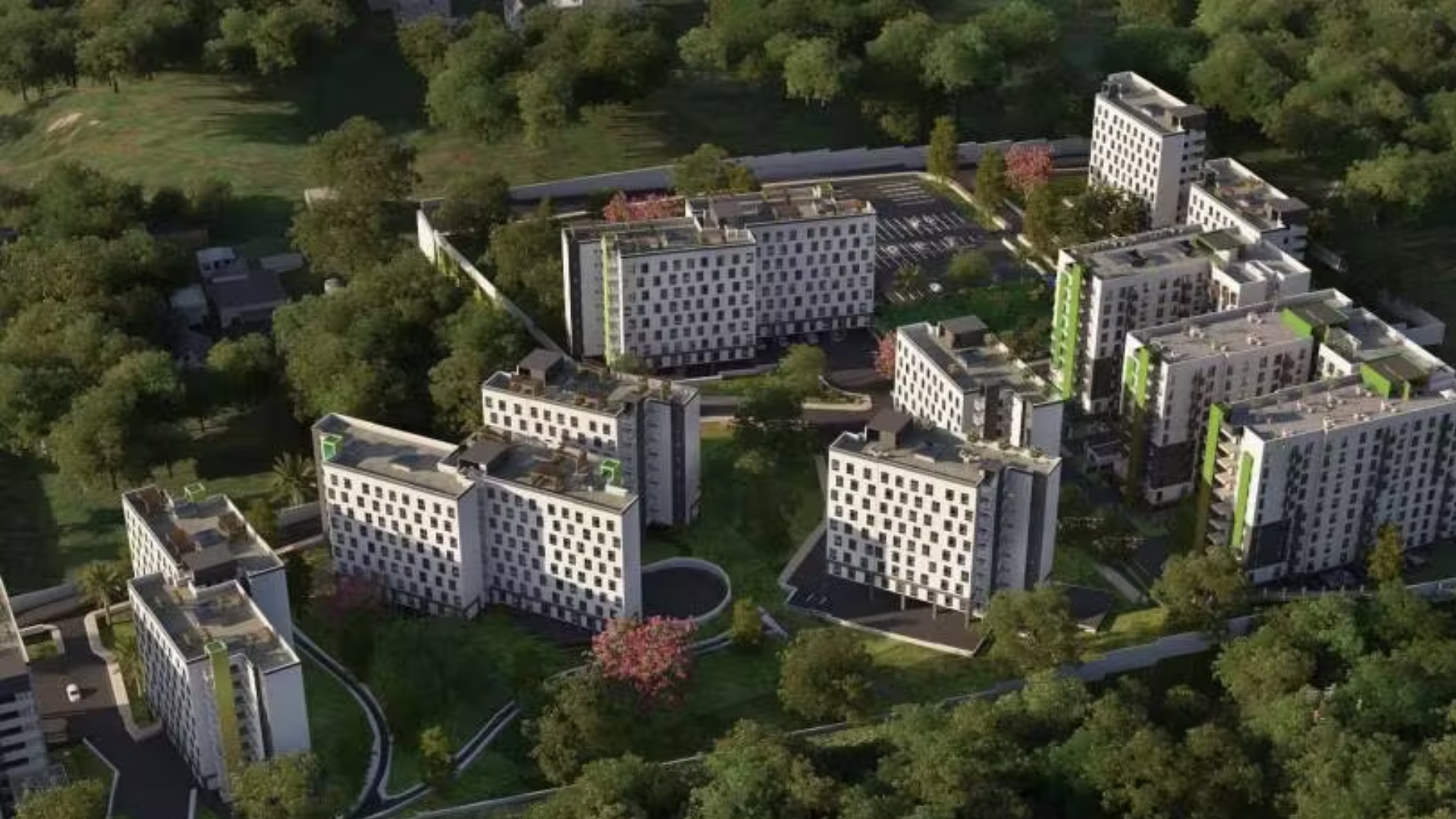
Have you ever noticed how many new houses and buildings look the same? Or how shopping centers in different cities have the same stores and designs? This is called "commoditization," and it's becoming a major problem for the real estate industry. When properties become too similar, they lose what makes them special, and people are only willing to pay based on price rather than unique features or quality.
In this article, we'll explore why commoditization is happening in real estate, why it's a problem, and what property developers and owners can do about it. We'll look at how companies like Zillow, Redfin, and major developers are both contributing to this challenge and finding ways to overcome it.
What is Commoditization in Real Estate?
Commoditization happens when properties become so similar that buyers or renters can't easily tell them apart except by price. Think of commodities like rice or oil - one barrel of oil is basically the same as another, so people just buy the cheapest one. Real estate traditionally wasn't like this - each property was unique because of its location, design, and features.
Today, however, many new housing developments look identical, office buildings offer the same features, and shopping centers contain the same stores. When properties become commodities, it creates several problems. Owners can't charge higher prices for better quality, developers make less money, and everyone competes by lowering prices rather than creating better buildings.
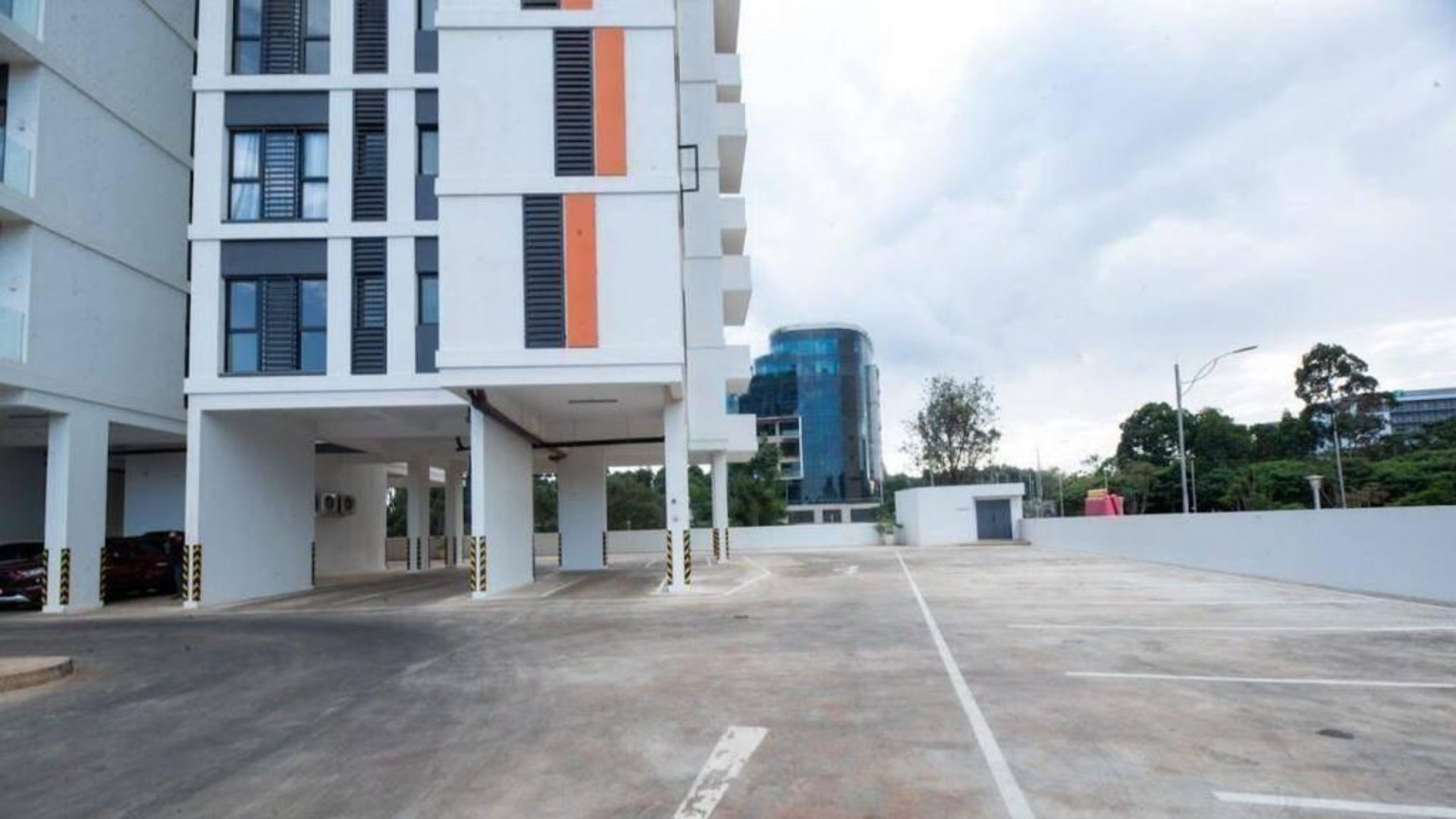
Why Real Estate is Becoming Commoditized
Several major forces are driving this trend:
Technology Making Everything Look the Same
Websites like Zillow, Redfin, and Rightmove have changed how people find properties. These platforms show similar information about each property and make it easy to compare prices. This pushes sellers to compete on price rather than unique features. Property algorithms like Zestimate assign values based on standard features, not special qualities.
Companies like Opendoor and Offerpad use technology to quickly value and buy homes based on standard features, further encouraging standardization. When homes are treated like data points, their unique characteristics become less important.
Money and Investment Patterns
Large investors like Blackstone, Brookfield, and institutional funds want properties that are easy to understand and value. They prefer standardized buildings because they're less risky and easier to manage across large portfolios. Real Estate Investment Trusts (REITs) like Equity Residential and AvalonBay favor properties with predictable returns, which often means standard designs.
When most real estate funding comes from these large investors, developers build what these investors want – and that means more standardized, commodity-like properties.
Building Methods and Materials
Modern construction techniques favor standardization. Companies like Katerra (though it failed) and Factory_OS promote modular construction, where parts of buildings are made in factories. Major homebuilders like KB Home and Toll Brothers use similar floor plans and materials across many developments to save money.
Building codes and regulations also push developers toward similar designs. When everyone must follow the same rules, buildings naturally become more alike.
What Buyers and Renters Want
Today's consumers often prioritize convenience, predictability, and familiar brands. Many people prefer a property with standard features that works as expected rather than something unique that might have unexpected issues.
For example, many apartment renters care more about having a gym, package delivery service, and reliable internet than architectural uniqueness. Office tenants may care more about having the same technology systems and amenities they're used to rather than distinctive design.
The Big Problems Caused by Commoditisation
Lower Profits for Developers and Owners
When properties become commodities, developers and owners can't charge premium prices. Companies like Lennar and Toll Brothers face pressure to compete on price rather than quality or design. Property owners find it harder to raise rents when their buildings offer nothing special compared to others nearby.
Brand Problems
It's becoming harder for real estate companies to build strong brands. When one apartment building by Greystar looks just like another by Camden Property Trust, companies struggle to create loyalty or recognition. Marketing becomes more challenging when there's little to distinguish one property from another.
Creating and Keeping Value
When properties are commodities, it's harder to create and maintain value. Renovations and improvements may not pay off because buyers or renters aren't willing to pay more for them. Features that once made a property special quickly become standard expectations, forcing owners to continuously invest just to keep up.
Investment Challenges
Investors and lenders favor standardized properties, making it harder to fund unique projects. Traditional lenders like Wells Fargo or Bank of America have standardized underwriting processes that work best with commodity-type properties. This creates a cycle where developers build more standardized properties because they're easier to finance.
How Different Markets Experience Commoditisation
Not all real estate markets face commoditisation equally. In dense cities with limited land, like New York or San Francisco, unique buildings still command premium prices because of supply constraints. Luxury properties developed by companies like Related Companies or Extell Development Company often maintain uniqueness and premium pricing.
Middle-market housing, particularly in suburban areas with plenty of available land, faces the most severe commoditisation. Areas with few building restrictions, like parts of Texas or Florida, typically see more standardized development than highly regulated markets.
Different property types also commoditize at different rates. Standard office buildings and mid-range apartments face more commoditisation pressure than specialty properties like medical facilities or high-end hotels.
Fighting Against Commoditisation
Smart real estate players are finding ways to stand out in this challenging environment:
Using Design to Be Different
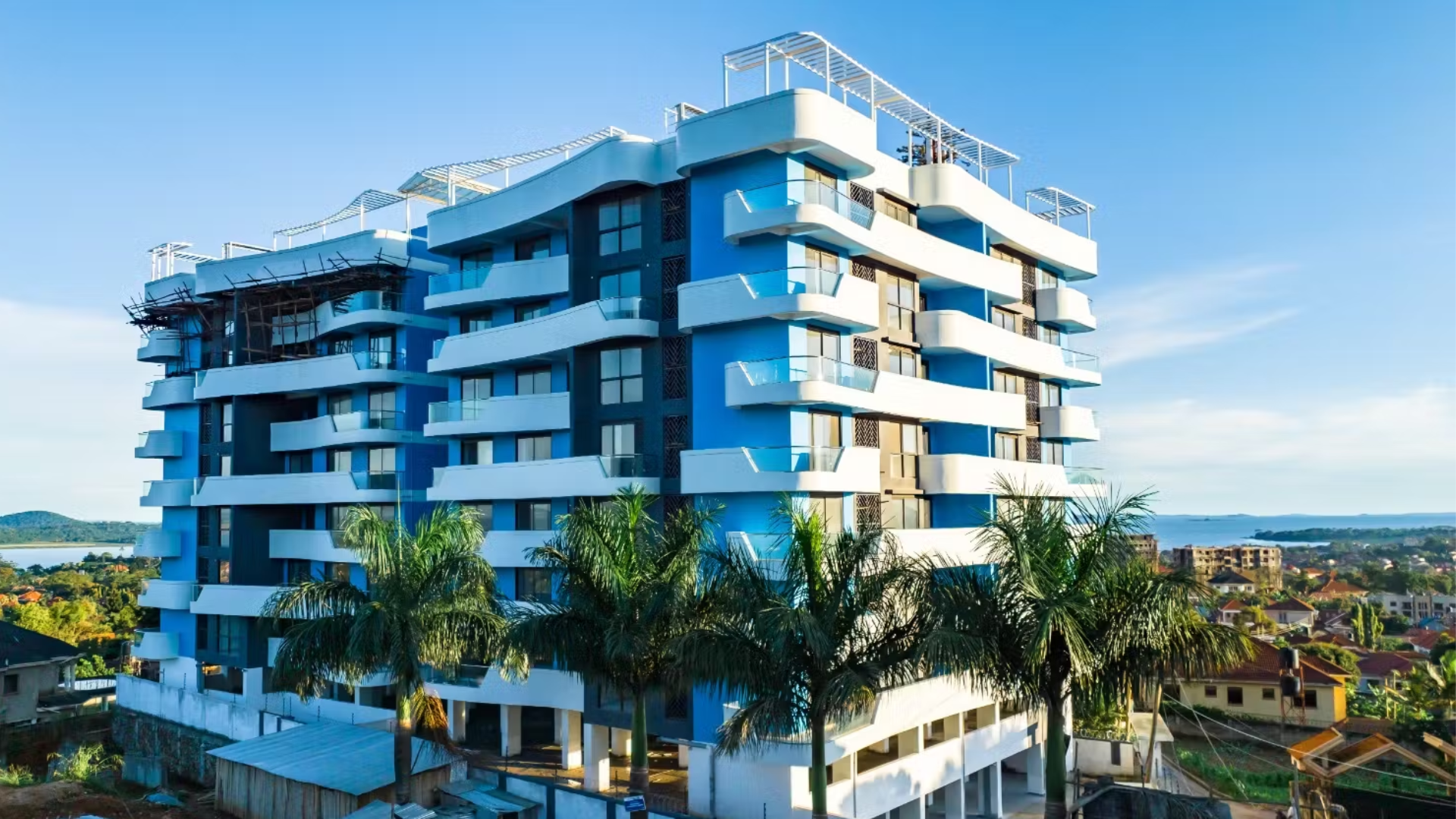
Some developers are focusing on distinctive architecture and design. Companies like Extell Development and Bjarke Ingels Group create buildings with memorable shapes, features, and materials. These properties often command higher prices and attract more attention.
Even production homebuilders can create distinction through thoughtful design. KB Home offers more customization options than many competitors. Toll Brothers emphasizes higher-quality finishes and materials to differentiate their homes.
Creating Experiences, Not Just Buildings
Leading real estate companies now understand that experiences matter as much as physical spaces. Related Companies designs properties with extensive programming and community events. Shopping center owners like Simon Property Group are adding entertainment venues, restaurants, and activities to create destinations rather than just shopping places.
Apartment developers like AvalonBay and Equity Residential invest in community-building amenities and services that create loyalty beyond the physical apartment units. Office owners like Boston Properties and Vornado create tenant engagement programs and services that make their buildings more than just space.
Using Green Building and Wellness as Advantages
Sustainability and wellness features are helping some properties stand out. Developers achieving LEED certification (like Hines) or WELL certification (like Delos) can differentiate their buildings from standard offerings. These features often attract premium tenants willing to pay more for healthier, more sustainable spaces.
Companies like Procore and STO Building Group incorporate advanced environmental systems that reduce operating costs while providing marketing advantages. When done right, these features can justify higher prices.
Smart Buildings and Technology
Technology integration helps some properties escape commoditisation. Developers installing systems from companies like Honeywell, Johnson Controls, or Siemens can offer better experiences and efficiency. Property management platforms from companies like Yardi or AppFolio can provide better service and communication.
Smart home features from companies like Nest, Ring, and other providers help residential properties stand out. Buildings offering faster internet, better cell reception, or more advanced security systems can command premium pricing.
The Financial Side of Being Different
Breaking away from commoditization requires investment. Developers must weigh the costs of unique features against potential revenue increases. More distinctive buildings typically cost 5-15% more to construct but may generate 10-30% higher revenue when successful.
Marketing plays a crucial role in communicating differences. Companies must effectively explain why their properties are worth more. This often requires more sophisticated marketing approaches than standard commodity properties.
The Future of Real Estate Commoditisation
The pressure toward commoditization will likely continue as technology advances, large investors dominate funding, and construction methods become more standardized. However, opportunities for differentiation will remain, particularly for companies willing to deeply understand their customers and create properties tailored to specific needs.
Climate change may actually help reverse some commoditization as properties need to adapt to local conditions. Buildings in flood-prone areas, extreme heat regions, or wildfire zones will need specific features rather than standardized designs.
The most successful real estate companies will find balance between efficiency and uniqueness. Companies like Related, Hines, and JBG SMITH demonstrate that it's possible to operate at scale while still creating distinctive properties that command premium prices.
Final Thoughts
Commoditization is indeed real estate's biggest challenge, threatening profits, brands, and investment returns across the industry. Forward-thinking companies are responding by emphasizing design, experiences, sustainability, and technology to create meaningful differences.
The most successful real estate players won't try to completely escape standardization that would be too expensive. Instead, they'll be strategic about where and how they differentiate, focusing on the features that matter most to their target customers.
As the real estate industry continues to evolve, the winners will be companies that find the right balance between standardization for efficiency and differentiation for value creation. They'll create properties that stand out from the crowd while maintaining the operational discipline needed for financial success.
Frequently Asked Questions
- Commoditization happens when properties become so similar that they're interchangeable, and price becomes the main factor in deciding between them. This makes it difficult for property owners to charge premium prices based on quality or special features.