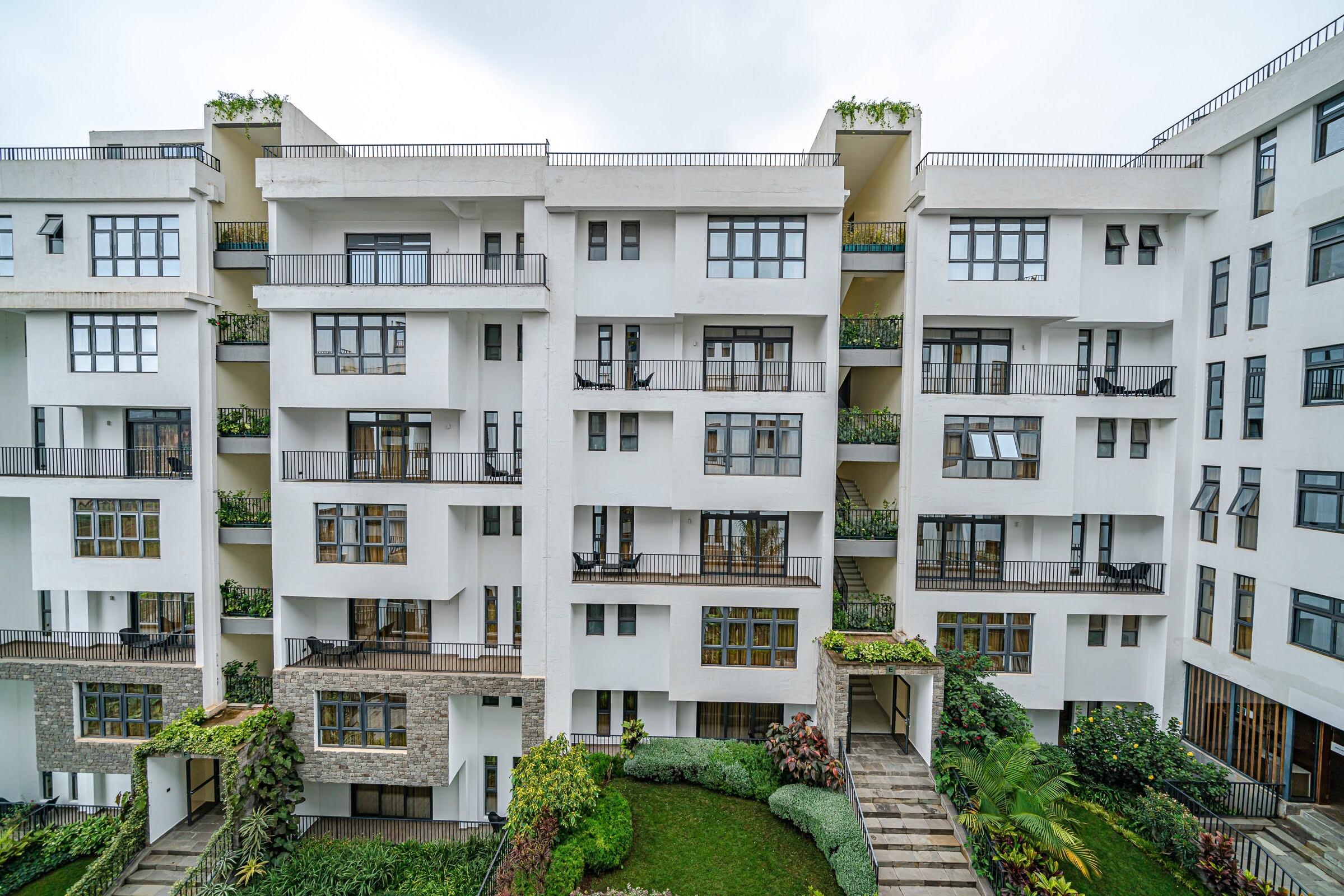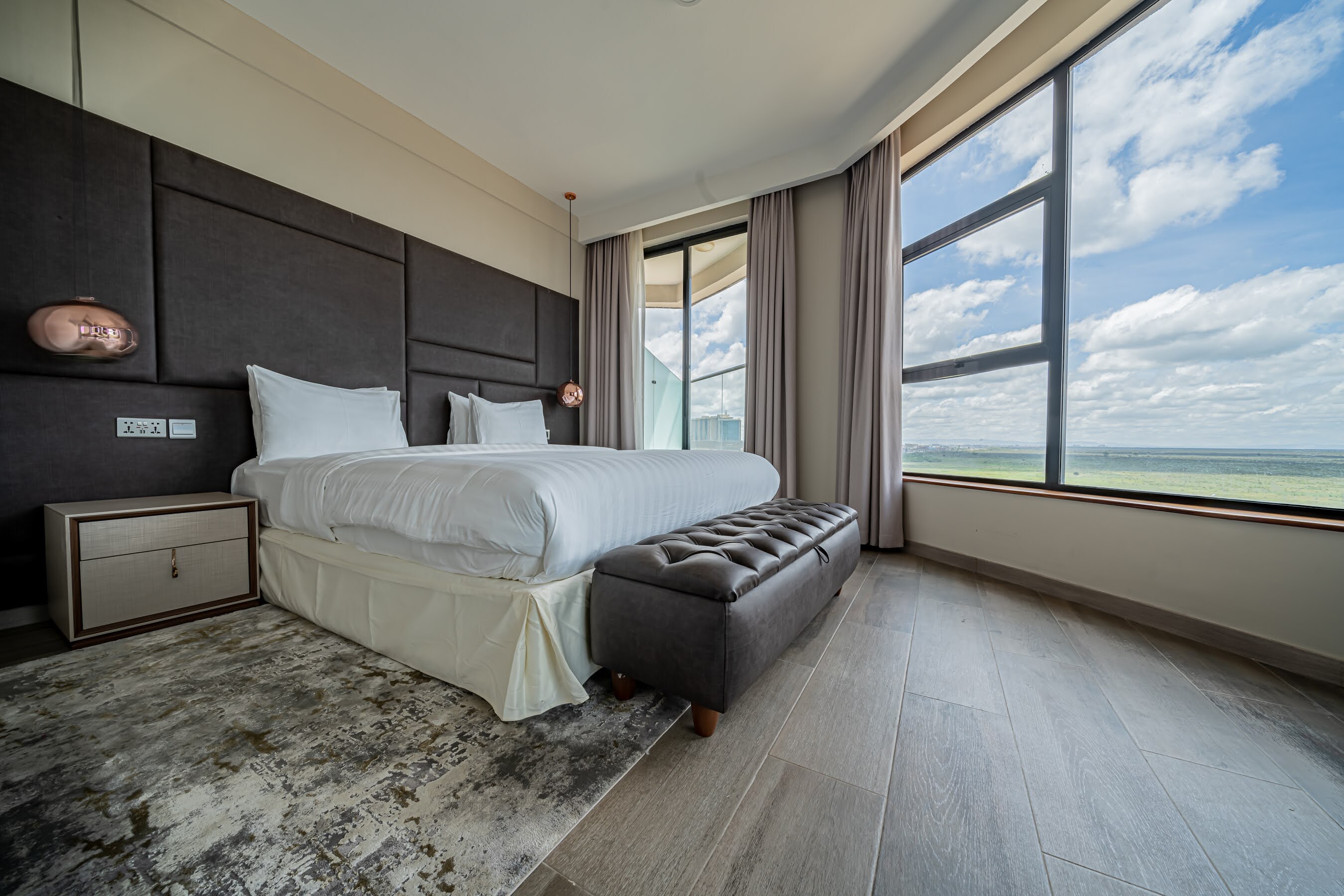
Short-term rentals are properties that people rent for a few days or weeks instead of months or years. They have become very popular in recent years, and many people are making good money by investing in them.
Short-term rentals come in many types. The most common are vacation rentals in tourist areas. Others include homes near hospitals for patients' families, properties for business travelers, and places for people attending big events like concerts or sports games.
The short-term rental market is growing fast. In 2025, experts say it will be worth over $100 billion worldwide. After COVID-19 slowed travel, people are now taking trips again and looking for places to stay that feel more like homes than hotels.
When compared to regular long-term rentals (where tenants stay for a year or more), short-term rentals can make more money but also require more work. A long-term rental might give you $1,500 per month. But that same property as a short-term rental could make $3,000 or more per month during busy seasons. However, you'll need to clean it more often and talk to new guests all the time.
The biggest companies in the short-term rental world are Airbnb, VRBO (owned by Expedia), and Booking.com. These websites help guests find your property. There are also companies that can manage your property for you, but they take some of your profits.
Market Research and Property Selection
Before buying a property for a short-term rental, you need to do research. Not all locations will make money! You should look for places where people want to visit. These include tourist areas with beaches, mountains, or famous attractions. Cities where people travel for business are also good choices. Places that host big events like music festivals or sports competitions can be profitable too. College towns during graduation or parents' weekends often have high demand for rentals.
For example, a small cabin near a national park might rent for $200 per night, while a similar house in a regular neighborhood might only get $100 per night. The best properties are close to things people want to visit. Consider how close it is to tourist attractions and if guests can walk to restaurants and stores. Check if it's easy to get there from airports or highways, and make sure the neighborhood is safe and nice.
A property that's within walking distance to a popular beach might rent for twice as much as one that requires a 15-minute drive. Different properties work well in different markets. Houses are good for families or groups, while apartments work well in cities. Unique places like tiny homes, boats, or treehouses can charge more because they're special. Properties with multiple units can bring in more money with less work.
The most successful rentals are often those that stand out. A regular apartment might rent for $150 per night, but a treehouse with amazing views could get $300 or more per night even though it costs less to build!
Before buying, look at what's already being rented in the area. Check how many other rentals there are and how much they charge per night. Find out how often they are booked and what they offer that guests like. You can find this information by looking at listings on Airbnb or VRBO and reading their reviews. If most properties in an area are empty during certain months, that's a warning sign.

Financial Planning and Acquisition
Buying a property for a short-term rental is a big money decision. You need to plan carefully. You'll need money for buying the property, usually with a down payment of 20-25%. You'll also need funds for fixing it up, making it look nice, and buying furniture, linens, kitchen supplies, and decorations. Don't forget to set aside extra money for unexpected costs. Many new investors forget about setup costs. Furnishing a two-bedroom property properly can cost $15,000 to $25,000 or more.
Getting a loan for a short-term rental can be harder than for your own home. Regular home loans from banks like Chase, Bank of America, or Wells Fargo often have the best rates. Investment property loans typically have higher interest rates. Some people use home equity loans from their main home to finance their rental property. Private lenders might help but usually charge more interest. Lenders like to see that you have good credit and enough income to cover the mortgage if your rental sits empty for a while.
To figure out if a property will make money, you need to estimate how many nights it will be rented each month and how much you can charge per night. Then calculate all your costs including mortgage, utilities, internet, cleaning, and supplies. For example, if your property costs $300,000, your mortgage might be $1,800 per month. If you can rent it for $200 per night and it's booked 20 nights per month, that's $4,000 in income. After paying all expenses (maybe $2,500 total), you could profit $1,500 per month.
Owning a rental property can give you tax advantages. You can deduct expenses like mortgage interest, property taxes, insurance, utilities, and repairs. You can even deduct the cost of furniture and appliances over time through depreciation. If you work on your rental business, your travel to check on the property might be deductible. Always talk to a tax professional like H&R Block or a certified accountant to make sure you're following the rules.
Legal and Regulatory Considerations
Before buying, you must understand the rules for short-term rentals in your area. Getting this wrong can cause big problems! Many cities and towns have specific rules about short-term rentals. Some places don't allow them at all, while others require special permits that cost money. Some locations limit how many nights you can rent per year, and there might be restrictions on how many people can stay. For example, New Orleans only allows short-term rentals in certain areas and requires owners to have a permit that costs hundreds of dollars. Breaking these rules can result in fines of $500 or more per day!
If you're buying a condo or a house in a planned community, check the Homeowners Association (HOA) rules. Many HOAs ban short-term rentals completely. Others limit how many days you can rent, and some charge extra fees for owners who rent their properties. Breaking HOA rules can lead to fines or even lawsuits.
Regular home insurance isn't enough for a short-term rental. You need special short-term rental insurance that covers damage by guests and liability insurance in case someone gets hurt. You might also want to consider umbrella policies for extra protection. Companies like Proper Insurance, Allstate, and Farmers offer policies specifically for short-term rentals.
These usually cost more than regular home insurance.
Consider creating a Limited Liability Company (LLC) for your rental. This helps protect your personal assets if something goes wrong and can make tax reporting easier. It also looks more professional to guests. Setting up an LLC costs about $100-$800 depending on your state, plus yearly fees.

Property Setup and Preparation
Making your property attractive to guests is key to getting good reviews and repeat bookings. Focus on improvements that guests care about, such as updated bathrooms and kitchens, fresh paint and flooring, good lighting, and comfortable outdoor spaces. A clean, modern bathroom might cost $5,000-$15,000 to renovate but can help you charge $20-$30 more per night.
Your property needs to be fully equipped with comfortable beds with quality mattresses and linens. You should provide a full kitchen with all cooking tools and dishes, plenty of seating in living areas, and smart TVs with reliable WiFi. Guests expect everything to be there and working. Missing basic items like coffee makers or can openers will lead to bad reviews.
Your property should feel special and comfortable. Choose a simple design style that most people will like and use colors that feel calm and welcoming. Add some local artwork or decorations that show off the area, and make sure everything is very clean and well-maintained. Looking at pictures of successful Airbnb or VRBO listings can give you ideas. Properties with professional, attractive photos get more bookings.
Keeping guests safe is your responsibility. Install smoke and carbon monoxide detectors and provide fire extinguishers. Use digital locks that get new codes for each guest, and consider basic security cameras outside (never inside). Many platforms like Airbnb require these safety features, and guests appreciate knowing they're protected.

Marketing and Listing Optimization
Even a perfect property won't make money if people can't find it online. Good marketing is essential. Your online listing needs to sell your property with a detailed description that highlights special features. Mention nearby attractions and their distances, list all amenities clearly, and be honest about any downsides like stairs or noise. The first few sentences are most important. Instead of "Two-bedroom condo in Miami," try "Stunning beachfront condo with ocean views just steps from Miami's best restaurants."
Pictures are the most important part of your listing. Hire a professional photographer (usually $200-$400) and make sure your property is perfectly clean and staged. Get photos of all rooms plus special features, and update photos seasonally if possible. Listings with 20+ professional photos get up to 35% more bookings than those with just a few amateur pictures.
Pricing your rental correctly is tricky. Research what similar properties charge and charge more during busy seasons and special events. Consider offering discounts for longer stays, and start a bit lower to get your first reviews, then raise prices. Tools like PriceLabs, Beyond Pricing, and AirDNA can help by automatically adjusting your prices based on demand, saving owners hours of work each week.
Don't rely on just one booking website. Airbnb is the largest platform but charges fees of about 3% to owners. VRBO focuses on whole-home rentals and family travelers, while Booking.com is popular with international travelers. You might also want to consider making your own website for direct bookings. Each platform has different rules and fees. Airbnb might be most popular in one area, while VRBO might be better in another.
Operational Management
Running a short-term rental takes work. Good management makes the difference between stress and success. Good communication builds great reviews. Respond to questions quickly (within an hour if possible) and send check-in instructions 3 days before arrival. Check in with guests after their first night, and thank them after their stay and ask for reviews. Automated messaging tools like Hospitable (formerly Smartbnb) can send many of these messages for you.
Make arriving and leaving easy for guests. Use digital locks with codes instead of physical keys and provide clear directions to the property. Create a welcome book with instructions for everything, and set clear check-out steps like where to leave towels. Simple check-in processes lead to happier guests and better reviews.
Keeping your property perfect is essential. Hire reliable cleaners who understand short-term rental standards and create detailed cleaning checklists. Schedule regular deep cleans every 3-6 months, and check and replace damaged items regularly. Cleaning costs vary widely by location and property size, ranging from $50 to $300 per turnover.
Things will go wrong sometimes. Be ready to respond quickly to guest issues and have backup plans for common problems like extra heaters if heating fails. Build relationships with emergency repair services, and follow up after problems to make sure guests are happy. How you handle problems often matters more than the problems themselves. Guests who see you respond quickly and effectively will still leave good reviews.

Performance Optimization
Once your rental is running, focus on making it better and more profitable. Keep track of your occupancy rate (what percentage of nights are booked) and your average daily rate (how much you charge per night). Monitor your revenue per available night and net profit after all expenses. Tools like Hospitable, AirDNA, and Guesty can help track these numbers automatically.
Good reviews are gold for your business. Ask happy guests to leave reviews and respond to all reviews, even negative ones. Fix problems mentioned in reviews and thank guests for specific feedback. Properties with 4.8+ star averages (out of 5) can charge up to 25% more than those with lower ratings.
Returning guests mean less work for you. Consider offering discounts for return visits and remember special details about repeat guests. Think about creating a simple website to take direct bookings, and keep in touch with past guests if they agree. Repeat guests are also more likely to treat your property with care.
Most locations have times when bookings slow down. Lower your prices during off-seasons and offer special packages or longer-stay discounts. You might want to consider switching to mid-term rentals (1-3 months) during slow periods, and use slow times for improvements and deep cleaning. Some owners in very seasonal locations close completely during off-seasons if the numbers don't make sense.
Scaling Your Short-Term Rental Business
Once you've mastered one property, you might want to grow your business. Growing requires planning. Use profits from your first property to help buy the second and look for economies of scale like hiring the same cleaning team. Consider buying multiple units in the same building or area, and think about diversifying into different types of properties or locations. Many successful investors start with one property and eventually own 5-10 or more.
As you grow, you'll need help. Hire cleaners and maintenance people and consider a co-host to handle guest communication. You might want to use virtual assistants for administrative tasks, or think about professional property managers who typically take 15-30% of revenue. Property management companies like Vacasa, Evolve, and TurnKey can handle everything for you but at a significant cost.
The right tools save time and increase profits. Look into property management software like Hostfully or Guesty and smart home devices like Nest thermostats and Ring doorbells. Automated messaging systems and noise monitoring devices like NoiseAware can also be helpful. These tools can save hours of work each week and help prevent problems before they happen.
Final Thoughts
Investing in short-term rentals can be a great way to build wealth and create income. With the right property in a good location, you could make significantly more money than with traditional long-term rentals.
However, success requires careful planning. You need to research markets thoroughly before buying and understand all legal requirements. Setting up your property to delight guests, marketing effectively on platforms like Airbnb and VRBO, managing operations efficiently, and continuously improving based on feedback are all important parts of the process.
Remember that this is a business, not a passive investment. It requires time, attention, and sometimes quick responses to guest needs. But for those willing to put in the work, short-term rentals can provide both excellent returns and the satisfaction of creating wonderful experiences for travelers.
Start small, learn the business, and decide if it's right for you before making big investments. With the knowledge in this guide, you're already ahead of many first-time investors who jump in without understanding the full picture.
Frequently Asked Questions
- Short-term rentals are properties rented out for a few days or weeks, unlike long-term rentals where tenants stay for months or years. They often generate higher income, especially during busy seasons, but require more management—like frequent cleaning, guest communication, and ongoing upkeep.