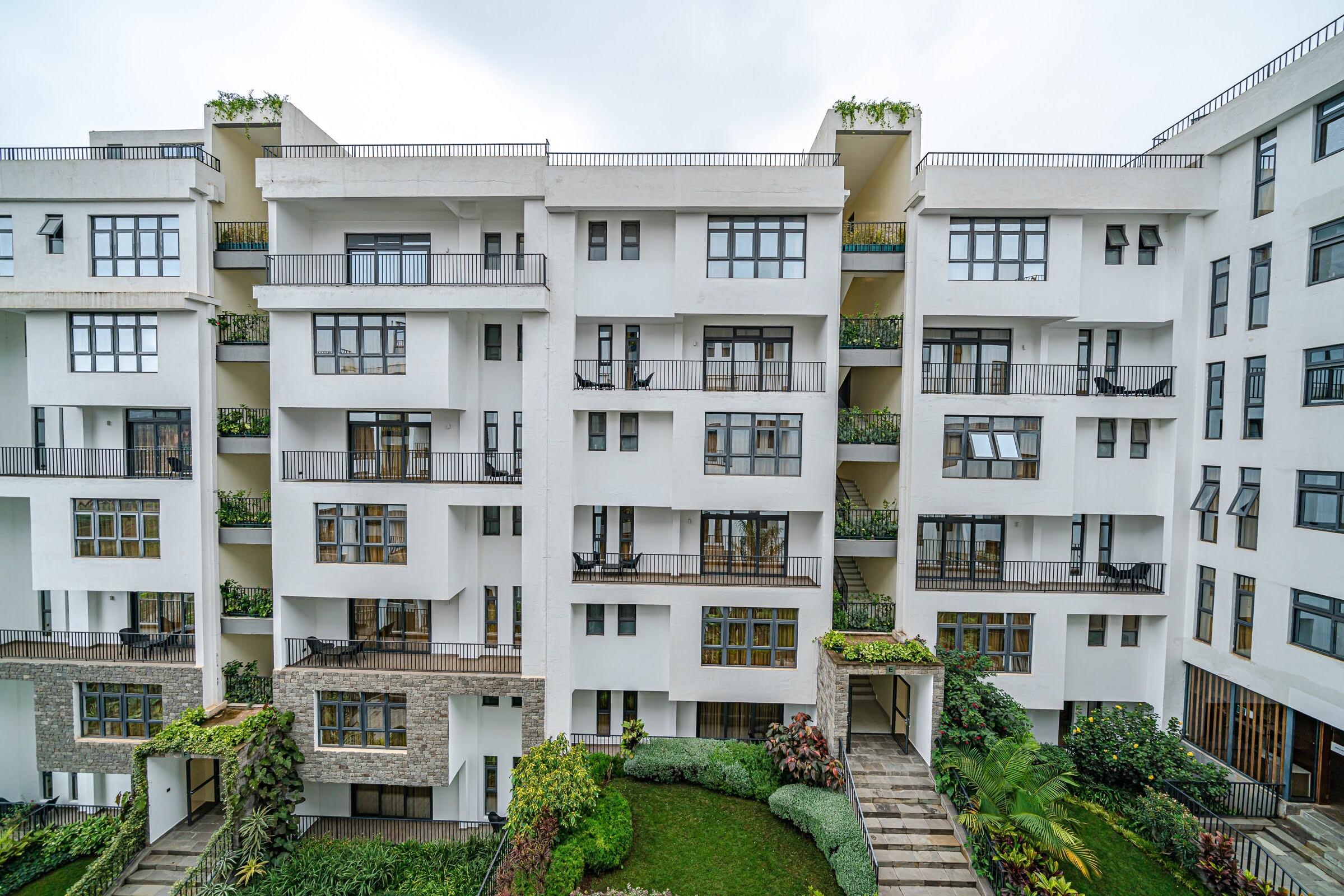

Investing back home can be deeply rewarding—but distance changes everything. The right location turns an overseas property into steady income and capital growth; the wrong one becomes a financial drain and constant source of stress.
This guide breaks down what every African diaspora investor must know before choosing where to invest.
Why Location Matters More for Diaspora Investors
Local investors can inspect properties, replace bad tenants, or fix problems immediately. Diaspora investors can’t. A poorly located property thousands of miles away quickly turns into a management nightmare.
Every factor—property value, rent reliability, management quality, and resale potential—hinges on location. Even within one city, markets differ dramatically: Nairobi’s Westlands isn’t Eastleigh, and Lagos Island isn’t Lekki.
Understanding Location Types
1. Capital City Centers
Major cities like Nairobi, Lagos, Accra, Johannesburg, and Dar es Salaam offer professional management, liquidity, and solid legal frameworks. They’re safest but priciest, with lower rental yields due to competition.
2. Secondary Cities
Places such as Mombasa, Kisumu, Port Harcourt, or Kumasi balance affordability with growth potential. Infrastructure is improving, management is available, and yields often outperform capital cities.
3. Suburban Developments
New estates near big cities—like Ruiru or Ibeju-Lekki—target middle-class tenants and offer managed communities with security and amenities. But success depends on promised infrastructure actually being delivered.
4. Rural and Ancestral Lands
Emotionally meaningful but financially risky. Infrastructure is weak, tenant demand is low, and resale markets barely exist. Better for personal or retirement use than for income generation.
5. Tourist and Vacation Areas
Coastal or scenic regions can be profitable but require specialized, high-touch management. Regulations change often, and income is highly seasonal.
Key Factors in Choosing a Location
1. Infrastructure Quality: Reliable water, power, and roads are non-negotiable. Verify everything personally or through trusted experts.
2. Security: Safe areas attract better tenants and lower insurance costs. Confirm safety through independent data, not family assurances.
3. Accessibility: Proximity to jobs, roads, and transit boosts rentability. New transport projects create appreciation—but only once built.
4. Economic Activity: Invest where jobs, schools, and businesses cluster. Avoid single-industry towns that collapse when one employer leaves.
5. Property Management Availability: Professional managers are your lifeline. Choose locations where reputable options exist.
6. Legal Clarity: Urban areas generally offer stronger title systems and enforceable contracts. Always verify authenticity through a lawyer.
7. Market Liquidity: Capital cities offer easier exits. Remote locations can trap your capital for years.
Aligning Location with Personal Investment Goals
Time Horizon – Short-term investors need liquidity; long-term investors can bet on emerging areas.
Return Expectations – Balance rental yield with capital appreciation. High-yield areas bring income; high-growth areas build wealth.
Risk Tolerance – Distance already adds risk—don’t amplify it with speculative or poorly managed areas.
Available Capital – Don’t overspend on prestige locations. Start where you can comfortably afford maintenance and contingencies.
Management Capacity – If you have a demanding career, choose locations with full-service management infrastructure.
Family Connections – Relatives nearby can help but may complicate management. Professional oversight usually performs better.
Research Strategies for Remote Investors
Online Tools – Study listings on sites like Property24, BuyRentKenya, or Nigeria Property Centre. Use Google Maps to inspect infrastructure and development density.
Engage Local Experts – Work with multiple agents, valuers, lawyers, and managers to cross-check information and pricing.
Visit in Person – Combine property viewings, neighborhood visits, and conversations with residents. See areas at different times of day.
Learn from Other Diaspora Investors – Join diaspora property forums and WhatsApp groups. Cross-verify recommendations before acting.
Track Market Trends – Follow price, rent, and vacancy trends over time. Markets with strong fundamentals show steady rent growth and low vacancy.
How to Compare Multiple Locations
Create a Scoring Matrix – Rate each location (1–10) for infrastructure, safety, management, and appreciation potential. Weight criteria by your personal priorities.
Build Financial Models – Estimate cash flow, expenses, and resale value under best, base, and worst cases.
Assess Risks – Note political instability, title disputes, or oversupply. Avoid locations where risks can’t be mitigated.
Challenge Your Assumptions – Seek evidence that disproves your optimism. Conservative projections prevent disappointment.
Common Mistakes to Avoid
1. Emotional Decisions – Nostalgia and family pressure cloud judgment. Emotional attachment doesn’t equal profitability.
2. Chasing Past Booms – Yesterday’s hot zones often cool fast. Focus on emerging, not overhyped, markets.
3. Ignoring Warning Signs – Don’t overlook issues like delayed infrastructure, title disputes, or declining demand.
4. Overestimating Management Ability – Remote management is harder than it looks. “I’ll figure it out later” usually ends in crisis.
5. Underestimating Costs – Include 30–50% contingency for hidden expenses: legal fees, levies, bribes, or connection charges.
6. Following the Herd – Popular diaspora hotspots often suffer oversupply. Smart investors look just beyond the crowd.
Strategic Tips for First-Time Diaspora Investors
Start Small and Local – Begin with manageable properties where you have trusted oversight. Learn before scaling.
Partner Wisely – Joint ventures can work if roles, profits, and exit plans are clearly defined. Choose partners for competence, not kinship.
Build Your Team Early – Secure a lawyer, manager, accountant, and agent before buying. Pay for professional advice—it saves far more than it costs.
Do Full Due Diligence – Never skip title searches, surveys, or inspections. Fraud and misrepresentation remain common in many markets.
Keep Cash Reserves – Maintain 20–30% of property value as liquidity for emergencies or vacancies.
Advanced Location Considerations
Regulatory Changes – Policies can shift suddenly, affecting taxes, land rights, or ownership rules. Diversify across regions to spread risk.
Currency Fluctuations – Local currencies often depreciate against the dollar or pound. Focus on assets with strong appreciation potential to offset this.
Climate Risks – Research flooding, drought, or coastal erosion risks. Rising insurance costs often signal underlying environmental vulnerabilities.
Demographics – Favor urban areas with growing, youthful populations and expanding middle classes.
Technology Infrastructure – High-speed internet access now drives tenant demand and property value, especially post-COVID.
Final Thought
Diaspora investing succeeds when emotion gives way to structure. Prioritize location quality, legal safety, and management reliability over sentiment or hype. The best investments are those you can confidently own—and profit from—without being physically present.
Frequently Asked Questions
- It depends. Retirees may prefer cash flow (yield), while younger investors should prioritize long-term appreciation.