Ghana's property market has emerged as West Africa's most stable and promising investment destination, with property values in prime Accra locations delivering gross yields of 8-11% and capital appreciation potential of 8-10% annually. This vibrant nation of over 35 million people, known as the "Gateway to West Africa," offers unique opportunities for investors seeking exposure to one of Africa's fastest-growing economies. However, successful property investment in Ghana requires understanding complex customary land systems, navigating bureaucratic processes, and implementing strategies that address both traditional and modern market dynamics in this culturally rich democracy.
Understanding Ghana: The Gateway to West Africa
Population and Demographics
Ghana's population stands at approximately 35 million people in 2025, with the population density in Ghana is 154 per Km² (399 people per mi²). The total land area is 227,540 Km² (87,854 sq. miles). 58.58% of the population is urban (20,539,206 people in 2025) The median age in Ghana is 21.3 years. This young demographic profile creates substantial demand for housing, commercial spaces, and infrastructure development across the country.
The population growth rate remains robust, driving rapid urbanization, particularly in Greater Accra Region and major cities like Kumasi, Tamale, and Takoradi. This demographic dividend represents enormous opportunities for residential and commercial property investors targeting young professionals, growing families, and emerging middle-class consumers.
Ghana's literacy rate exceeds 79%, creating an educated workforce that supports economic growth and drives demand for quality housing and commercial properties in urban centers.
Capital City and Major Urban Centers
Accra, Ghana's vibrant capital and largest city, serves as West Africa's commercial and financial hub, hosting regional headquarters for multinational corporations, diplomatic missions, and international organizations. The Greater Accra Metropolitan Area, with over 5 million inhabitants, dominates Ghana's property market and offers the most sophisticated investment opportunities.
Kumasi, the historical Ashanti capital and Ghana's second-largest city, presents emerging opportunities with lower entry costs and strong growth potential driven by gold mining, cocoa trade, and cultural tourism.
Takoradi and Sekondi, twin port cities in the Western Region, offer industrial and commercial property opportunities driven by oil and gas operations, mining activities, and port logistics.
Languages and Communication
English serves as Ghana's official language, inherited from British colonial rule, making it highly accessible for international investors and business operations. However, indigenous languages play crucial roles in local communities, with Twi (Akan) being widely spoken in central and southern regions, Ga dominating in Greater Accra, and Hausa serving as a trading language in northern regions.
Understanding basic local language phrases and cultural customs significantly enhances business relationships, property negotiations, and community integration—crucial factors for long-term investment success.
National Flag and Cultural Symbolism
Ghana's flag features three horizontal stripes of red, gold (yellow), and green with a black five-pointed star in the center. The red represents the blood of those who died for independence, gold symbolizes the mineral wealth, green represents forests and natural wealth, and the black star symbolizes African emancipation and unity.
This symbolism reflects Ghana's pride in being the first African country to gain independence (1957) and its role as a leader in Pan-African movements—factors that contribute to political stability and investor confidence.
Religious and Cultural Landscape
Ghana's religious composition includes approximately 71.2% Christians (various denominations), 17.6% Muslims, and traditional African religions comprising the remainder. This religious diversity creates harmonious communities and influences neighborhood characteristics, architectural styles, and community development patterns.
The dominant Akan culture, along with Ga, Ewe, Dagbani, and other ethnic groups, creates rich cultural diversity that influences property preferences, community structures, and investment opportunities across different regions.
Security and Safety Considerations
Ghana maintains relative stability compared to many West African countries. Greater Accra's crime index was 44.17 in 2023, placing it within the moderate crime level category, indicating manageable security challenges for property investors.
However, property crime rates are high and increasing in Ghana. Experts cite growing poverty and economic inequality as the main driving forces behind this increase in crime. Many robberies turn violent due to the presence of weapons. This reality necessitates comprehensive security measures for property investments, particularly in high-value developments.
Successful property investors typically implement gated community concepts, professional security services, and modern surveillance systems, with security costs averaging 3-5% of property value annually.
What is Property Investment in Ghana
Property investment in Ghana encompasses residential, commercial, industrial, and agricultural real estate within one of West Africa's most stable democracies. Ghana operates under a complex land tenure system combining customary, statutory, and religious land ownership structures, each with distinct legal implications and investment opportunities.
Ghana's property market benefits from political stability, consistent democratic governance since 1992, steady economic growth averaging 4-6% annually, and strategic location as West Africa's gateway. The government's digitalization agenda and business-friendly policies create supportive environments for property development and investment.
The real estate sector contributes approximately 5-7% to Ghana's GDP and employs hundreds of thousands directly through construction, property management, and related services, ensuring continued economic importance and government support.
Legal Framework for Property Ownership
Land Tenure Systems
Ghana operates multiple land tenure systems established by customary law, colonial legislation, and modern statutes:
Customary Land Tenure governs approximately 80% of Ghana's land, owned by traditional rulers, families, or communities. These lands are administered by chiefs and family heads under customary law, creating complex ownership structures that require careful navigation.
State Land comprises approximately 20% of Ghana's territory, acquired through various historical processes and administered by government agencies. State lands are typically available through leasehold arrangements with more predictable legal frameworks.
Private Freehold exists in limited areas, primarily urban centers, where individuals or entities hold absolute ownership rights subject to statutory regulations.
Foreign Ownership Rights
Ghana's Constitution prohibits non-Ghanaians from owning land outright, but foreigners can acquire leasehold interests for up to 50 years (renewable) for residential purposes and up to 99 years for commercial and industrial developments.
Foreign investors typically structure investments through:
- Long-term leasehold arrangements with landowners
- Joint ventures with Ghanaian partners
- Corporate structures with Ghanaian participation
- Partnerships with traditional authorities
The Ghana Investment Promotion Act provides additional protections and incentives for qualifying foreign investments, including property development projects meeting minimum investment thresholds.
Documentation and Title Registration
Land title registration in Ghana involves complex processes through the Lands Commission, traditional authorities, and various government agencies. The Land Administration Project aims to modernize these systems, but challenges remain with documentation, surveying, and dispute resolution.
Comprehensive due diligence is essential, including:
- Verification of customary ownership through traditional authorities
- Confirmation of government concurrence where required
- Survey verification and boundary demarcation
- Search of court records for disputes
- Community consultation and acceptance
Market Analysis and Economic Indicators
Current Market Performance
In Ghana's current market, gross yields of 8-11% in prime Accra locations represent strong performance. Properties in established neighbourhoods like East Legon, Cantonments, and Ridge consistently deliver yields in this range, while also offering capital appreciation potential of 8-10% annually.
Commercial properties show particular strength, with Grade A office spaces in Accra's Airport City and Ridge areas commanding rental rates of USD 25-40 per square meter monthly. Industrial properties near Tema Port and Kotoka International Airport benefit from Ghana's role as a regional trade hub.
The residential market demonstrates segmentation, with luxury properties serving expatriates and affluent Ghanaians while affordable housing addresses middle-class demand driven by urbanization and economic growth.
Regional Market Variations
Greater Accra Region dominates Ghana's property market, with established infrastructure, diverse economic activities, and strong rental demand from international organizations, embassies, and multinational corporations.
Ashanti Region (Kumasi) offers emerging opportunities in residential and commercial properties serving the gold mining industry, agricultural trade, and cultural tourism centered around Ashanti heritage sites.
Western Region presents specialized opportunities in oil and gas-related developments, port logistics, and industrial properties serving Ghana's emerging petroleum industry.
Northern Regions offer land-intensive opportunities for agricultural investments and tourism properties, though infrastructure challenges require careful evaluation.
Financial Considerations and Investment Costs
Initial Capital Requirements
Property purchases in Ghana involve significant additional costs beyond purchase prices:
- Stamp duty: 0.5% of property value
- Legal fees: 2-5% of property value
- Survey and site plan preparation: 1-2% of property value
- Registration fees: Various amounts depending on property type
- Traditional authority fees: Negotiable amounts for customary land
These costs typically add 8-15% to total investment amounts, requiring careful budgeting and cash flow planning for successful acquisitions.
Financing Landscape
Ghana's banking sector provides limited property financing, with most banks requiring 25-40% down payments and charging interest rates of 20-30% annually. Local currency loans expose investors to cedi depreciation risks, making foreign currency financing attractive for qualifying investors.
International development finance institutions, including the International Finance Corporation and African Development Bank, offer more attractive terms for qualifying projects demonstrating economic or social impact.
Many investors prefer self-financing or offshore financing arrangements, though these strategies require careful tax planning and currency hedging to optimize returns.
Currency Considerations
The Ghana Cedi (GHS) has experienced significant depreciation against major currencies, creating opportunities for foreign investors while highlighting the importance of currency hedging strategies. Many high-value transactions are conducted in USD, providing some protection against local currency devaluation.
Property investors should consider currency exposure in rental income collection, maintenance cost payments, and exit strategy planning to optimize investment returns.
Infrastructure Development and Location Strategy
Transportation Networks
Ghana's infrastructure development significantly impacts property values and investment returns. Major projects include the expansion of Kotoka International Airport, improvements to the Accra-Tema motorway, and construction of new highways connecting major cities.
The planned Accra Sky Train project and Bus Rapid Transit systems will transform urban transportation and create property value appreciation opportunities along transport corridors.
Port expansion at Tema and development of new ports enhance Ghana's logistics capabilities, creating opportunities for industrial and commercial properties serving regional trade.
Utilities and Digital Infrastructure
Electricity access in urban areas approaches 95%, though power reliability challenges persist. Properties with backup power systems or solar installations command premium rents and values.
Water supply infrastructure varies significantly by location, with established areas having municipal connections while developing areas may require private boreholes or water storage systems.
Ghana's digital infrastructure has advanced rapidly, with 4G coverage reaching most urban areas and fiber optic networks expanding. The government's digitalization agenda supports technology sector growth and modern property amenities.
Urban Planning and Development
Accra's Strategic Urban Development Plan guides metropolitan growth and infrastructure provision. Understanding these plans helps investors identify designated growth areas, zoning changes, and infrastructure improvements affecting property values.
The Greater Accra Resilient and Integrated Development (GARID) Project aims to address urban challenges including flooding, waste management, and informal settlements while creating opportunities for strategic property investments.
Cultural Integration and Traditional Systems
Working with Traditional Authorities
Successful property investment in Ghana often requires building relationships with traditional rulers who control customary lands. Chiefs, queen mothers, and family heads play crucial roles in land allocation, community development, and dispute resolution.
Engaging traditional authorities respectfully, understanding customary protocols, and demonstrating community benefits significantly enhance investment success and reduce conflicts.
Community Engagement Strategies
Ghana's communal culture emphasizes collective decision-making and mutual support. Properties benefiting local communities often receive stronger support and fewer obstacles than purely extractive investments.
Successful community engagement includes:
- Employment opportunities for local residents
- Infrastructure improvements benefiting surrounding areas
- Educational or healthcare facility support
- Cultural preservation and promotion
- Environmental conservation initiatives
Understanding Customary Law
Customary law governs most land transactions in Ghana, requiring understanding of traditional inheritance systems, family land ownership structures, and dispute resolution mechanisms. These systems operate alongside statutory law, creating complex legal environments requiring specialized expertise.
Risk Assessment and Mitigation Strategies
Legal and Title Risks
Land disputes represent the most significant risk in Ghana's property market, often arising from:
- Multiple claims to the same land
- Inadequate documentation
- Family disputes over inheritance
- Boundary conflicts
- Traditional authority disagreements
Comprehensive due diligence, professional legal representation, and community consultation help mitigate these risks.
Economic and Market Risks
Ghana's economy faces challenges including fiscal deficits, currency depreciation, and commodity price volatility affecting cocoa and gold exports. These factors impact property markets through economic cycles and currency fluctuations.
Diversification across property types, locations, and tenant profiles helps mitigate economic risks while positioning for long-term growth opportunities.
Political and Regulatory Risks
Ghana's democratic stability since 1992 provides confidence, though policy changes can impact foreign investment regulations, taxation, and land administration. Recent IMF programs have introduced fiscal reforms affecting property markets.
Continuous monitoring of political developments and maintaining relationships with government officials and traditional authorities helps anticipate and adapt to changes.
Legal Due Diligence Process
Customary Land Verification
Verification of customary land ownership requires:
- Consultation with relevant traditional authorities
- Family tree documentation for family lands
- Community acceptance and witness statements
- Traditional ceremony performance where required
- Documentation of customary payments and obligations
This process typically takes 3-6 months and requires local expertise and cultural sensitivity.
Statutory Compliance Verification
Government agencies require various approvals and certifications:
- Environmental Protection Agency clearance for certain developments
- Municipal assembly permits for construction
- Fire Service and other agency approvals
- Utility connection confirmations
- Tax compliance certificates
Professional Surveys and Valuations
Licensed surveyors must conduct boundary surveys and prepare site plans for registration purposes. Independent valuations by certified valuers provide market value assessments for investment decisions and financing purposes.
Tax Implications and Planning
Property-Related Taxation
Ghana's property tax structure includes:
- Stamp duty: 0.5% of property value
- Property tax: Annual rates varying by location (0.5-3% of property value)
- Rental income tax: Progressive rates up to 25% for individuals
- Capital gains tax: 15% of capital gains upon sale
- Withholding tax: 8% on rental payments to non-residents
Tax Optimization Strategies
Strategic tax planning opportunities include:
- Corporate structures for property portfolios
- Depreciation allowances for commercial properties
- Tax treaty benefits for qualifying countries
- Ghana Investment Promotion Act incentives for qualifying investments
Professional tax advice ensures compliance while optimizing investment returns and identifying legitimate tax benefits.
Investment Strategies and Property Types
Residential Property Investment
Single-family homes in established neighborhoods like East Legon, Airport Residential, and Cantonments provide steady rental income serving expatriate families and affluent Ghanaians.
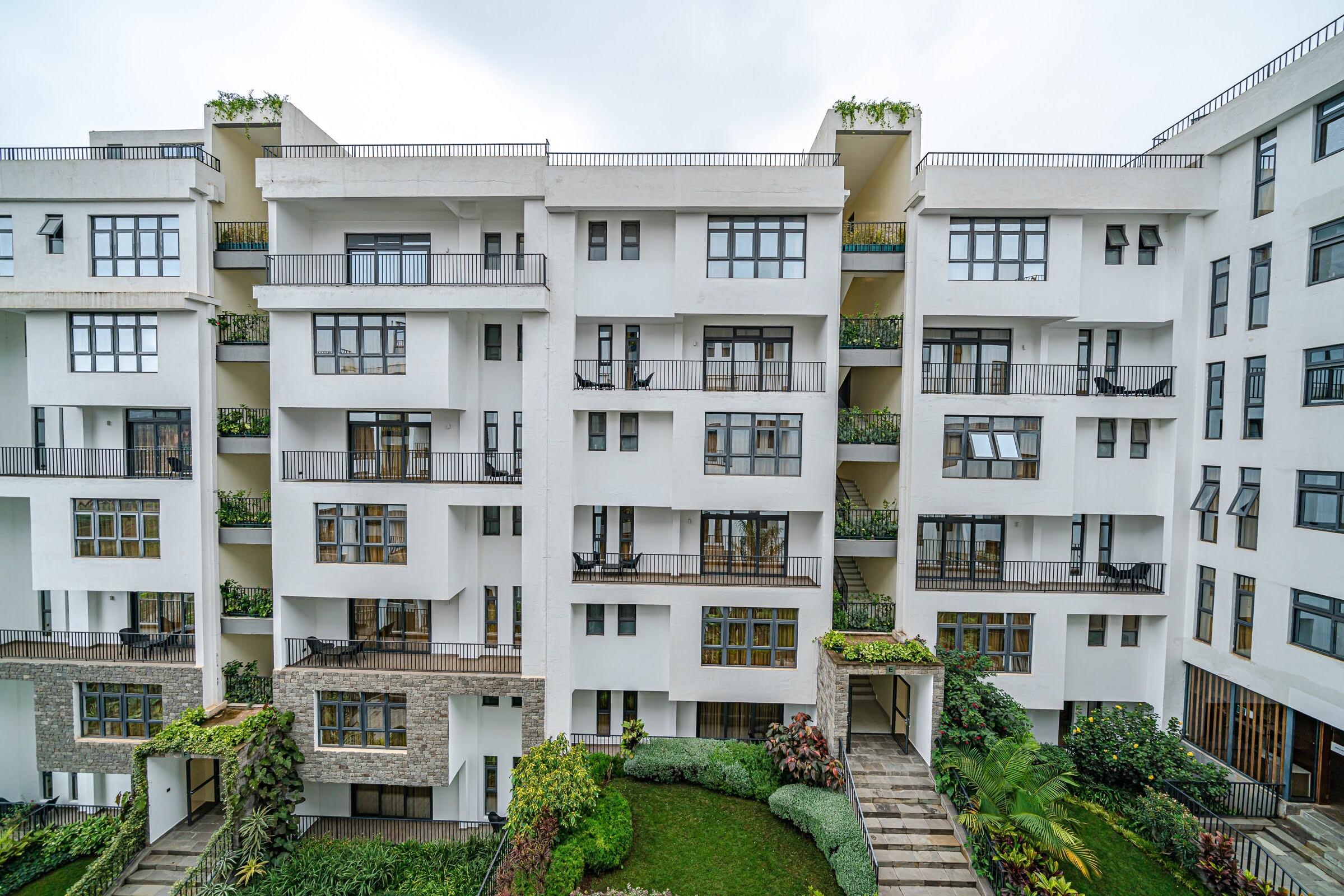
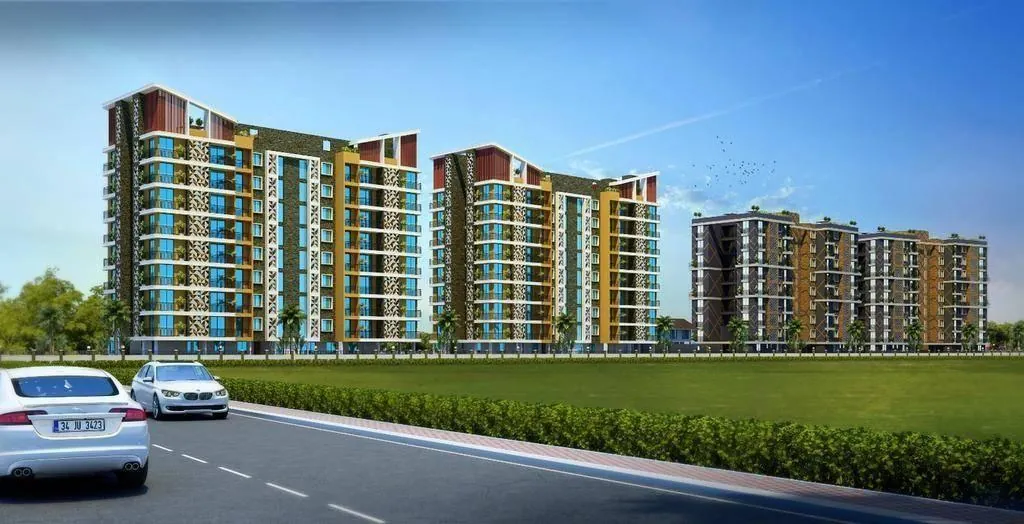
Apartment complexes serve growing urban professionals and middle-class families. Gated developments with modern amenities and security systems generate premium rents.
Affordable housing addresses Ghana's housing deficit while potentially qualifying for government support and development finance institution funding.
Commercial Property Opportunities
Office buildings in Accra's central business district and emerging centers like Airport City command premium rents from multinational corporations and growing local businesses.
Retail centers benefit from Ghana's consumer spending growth and expanding middle class. Shopping malls and community centers in residential areas perform particularly well.
Industrial properties serve Ghana's manufacturing sector and regional trade activities. Locations near ports, airports, and major highways offer excellent opportunities.
Specialized Investment Sectors
Tourism properties capitalize on Ghana's cultural heritage, including slave castles, Ashanti sites, and natural attractions. Boutique hotels, eco-lodges, and cultural centers serve growing tourism markets.
Student accommodation near universities like University of Ghana, Kwame Nkrumah University of Science and Technology, and other tertiary institutions provides steady income and strong demand growth.
Healthcare properties serve Ghana's expanding healthcare sector and medical tourism potential, including private hospitals, clinics, and specialized medical facilities.
Future Development Prospects
Government Development Initiatives
Ghana's national development agenda emphasizes infrastructure improvement, industrialization, and digital transformation. Key initiatives creating property opportunities include:
- One District One Factory industrial development program
- Agenda 111 hospital construction project
- Digital Ghana initiatives supporting technology sector growth
- Transportation infrastructure upgrades
- Affordable housing programs
Economic Diversification Opportunities
Ghana's economy is diversifying beyond traditional gold, cocoa, and recently discovered oil toward manufacturing, services, and technology sectors. This diversification creates demand for:
- Industrial properties supporting manufacturing growth
- Technology parks and innovation centers
- Service sector office developments
- Logistics and distribution facilities
Demographic and Urbanization Trends
Continued urbanization, driven by rural-urban migration and natural population growth, creates sustained demand for urban housing, commercial spaces, and infrastructure. The growing middle class drives demand for quality housing, modern retail facilities, and business premises.
Exit Strategies and Investment Realization
Market Timing Considerations
Ghana's property market experiences cycles influenced by economic conditions, political elections, and commodity prices. Understanding these cycles helps optimize entry and exit timing.
Prime properties maintain value better during economic downturns while emerging areas may offer higher growth potential during expansion periods.
Legal Sale Procedures
Property sales require compliance with various legal requirements:
- Traditional authority consent for customary lands
- Government concurrence where required
- Tax compliance certificates
- Survey confirmation and boundary verification
- Proper transfer documentation
The process typically takes 3-6 months from agreement to completion, requiring professional legal representation.
Capital Repatriation
Foreign investors can repatriate investment proceeds subject to Bank of Ghana regulations and tax compliance. Working with licensed foreign exchange dealers ensures smooth international transfers while complying with regulatory requirements.
Frequently Asked Questions
- No, Ghana's Constitution prohibits non-Ghanaians from owning land outright. However, foreigners can acquire leasehold interests for up to 50 years (residential) or 99 years (commercial/industrial), which are renewable. Most foreign investors structure investments through partnerships with Ghanaians or long-term lease arrangements.