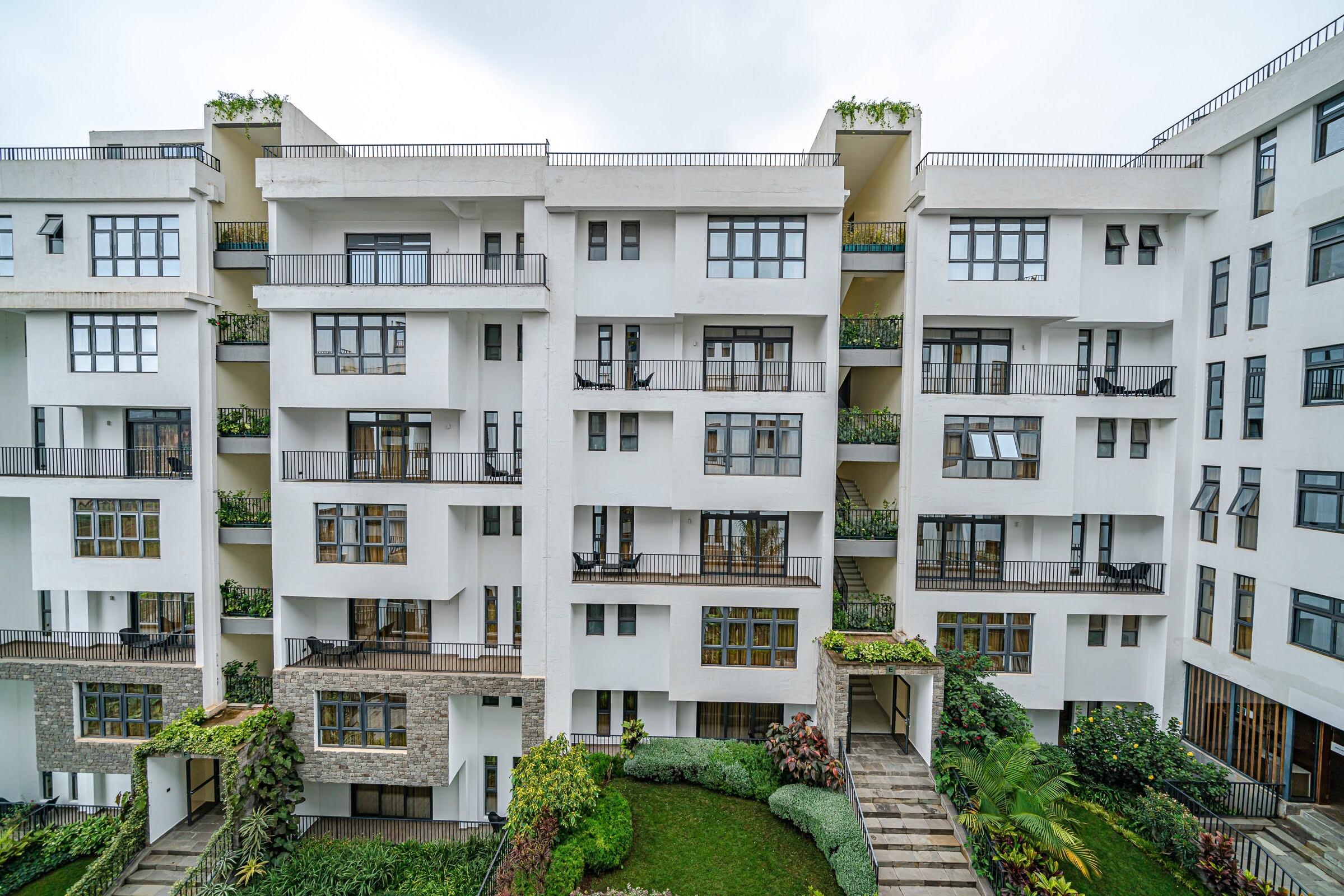
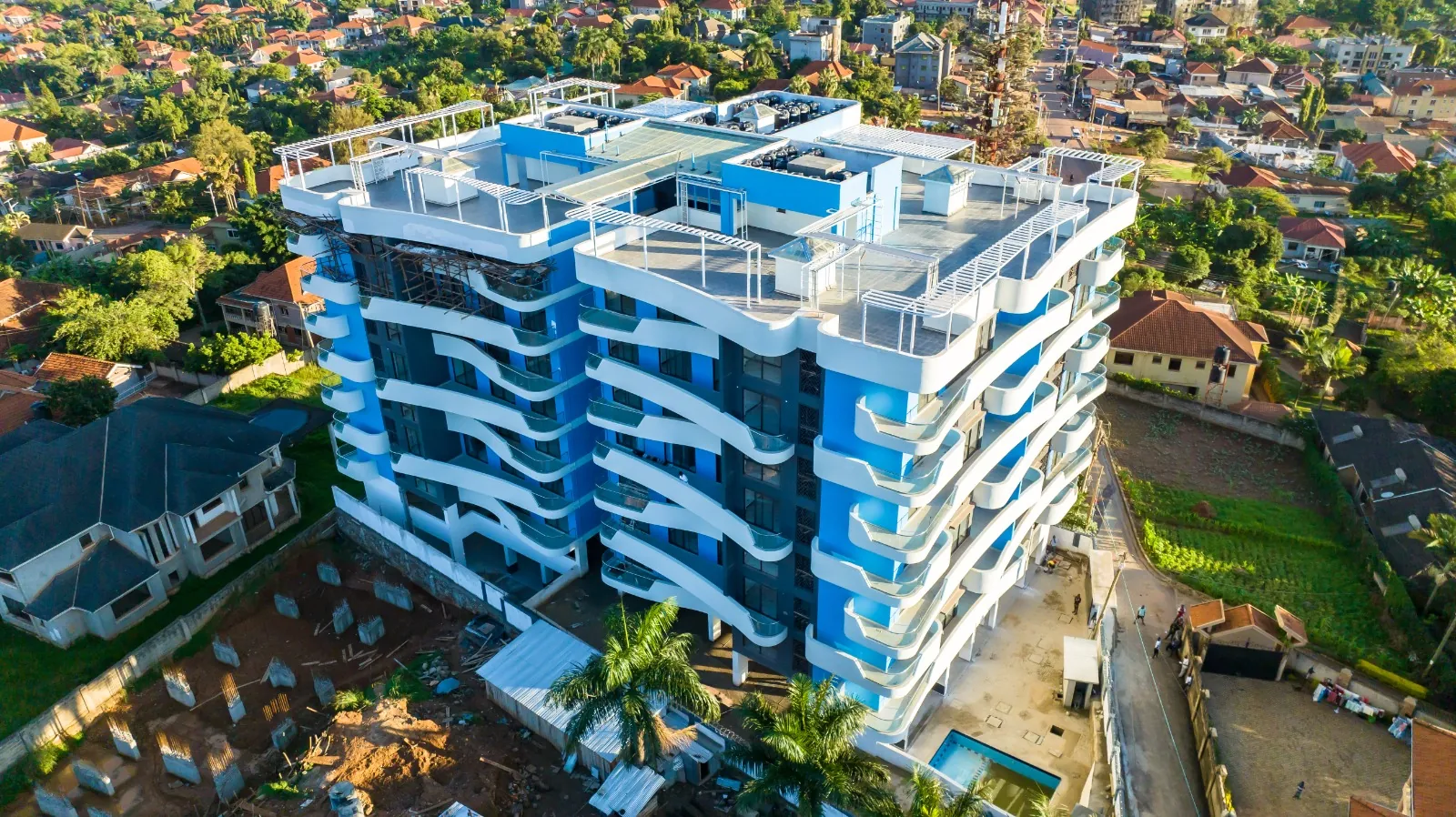
Uganda's property market has emerged as one of East Africa's most promising investment destinations, with property values in Kampala increasing by 18-25% annually over the past five years. This landlocked nation, strategically positioned at the heart of East Africa with a population exceeding 45.9 million people, offers unique opportunities for savvy investors seeking high-yield returns in an emerging market. However, understanding Uganda's complex property landscape requires deep knowledge of local regulations, cultural dynamics, and market conditions that can determine your investment success.
Understanding Uganda: The Pearl of Africa
Population and Demographics
Uganda's population is 45,905,417 people according to the results of the 11th Uganda population census conducted in 2024, making it one of Africa's youngest nations with a median age of just 16 years. The 2025 population density in Uganda is 257 people per Km2, calculated on a total land area of 199,810 Km2. This demographic profile creates tremendous demand for housing, commercial spaces, and infrastructure development.
The rapid population growth, averaging 3.2% annually, drives unprecedented urbanization, with Kampala having a population of 1,353,189 people and continuing to expand rapidly. This young, growing population represents a massive opportunity for residential and commercial property investors.
Capital City and Urban Centers
Kampala, Uganda's bustling capital and largest city, serves as the country's economic powerhouse and primary property investment hub. The city's strategic location on the shores of Lake Victoria, combined with its role as East Africa's commercial gateway, makes it an attractive destination for both local and international property investors.
Beyond Kampala, emerging urban centers like Entebbe, Jinja, Mbarara, and Gulu present compelling investment opportunities with lower entry costs and significant growth potential as Uganda's economy diversifies and decentralizes.
Languages and Communication
English serves as Uganda's official language, inherited from British colonial rule, making it accessible for international investors and businesses. However, Luganda dominates in central Uganda, while Swahili is increasingly spoken due to regional integration efforts. The Constitution of Uganda recognizes 65 indigenous communities, each with distinct languages and cultural practices.
For property investors, understanding basic Luganda phrases and cultural nuances can significantly improve negotiations and relationship-building with local partners, contractors, and tenants.
National Flag and Symbolism
Uganda's flag features six horizontal stripes alternating between black, yellow, and red, with a white circle in the center containing a grey crowned crane. The black represents the African people, yellow symbolizes Africa's sunshine, and red represents African brotherhood. The grey crowned crane, Uganda's national bird, symbolizes the gentle nature of Ugandans.
Understanding these symbols demonstrates respect for Ugandan culture and can strengthen relationships with local partners and communities—crucial for successful property investments.
Religious and Cultural Landscape
The inhabitants of Uganda are mainly Roman Catholic and make up 39.3% of the total population. Anglican, Muslim and Pentecostal believers represent 32%, 13.7% and 11.1% of the total population respectively. This religious diversity influences property development patterns, with churches, mosques, and religious institutions often serving as community anchors that drive neighborhood development.
Security and Safety Considerations
The Uganda Police Force has reported a significant decline in crime rates, with a 4.1% decrease in reported cases from 228,074 in 2023 to 218,715 in 2024. However, Uganda has extremely high crime rates, of both violent and petty crime, requiring property investors to implement robust security measures.
Police struggle to respond to serious crime in most places due to limited resources, making private security arrangements essential for high-value properties. Successful property investors typically budget 3-5% of property value annually for comprehensive security systems and personnel.
What is Property Investment in Uganda
Property investment in Uganda encompasses residential, commercial, industrial, and agricultural real estate acquisitions within the Republic of Uganda. The country operates under a mixed land tenure system combining customary, freehold, leasehold, and mailo land ownership structures, each with distinct legal implications and investment opportunities.
Uganda's property market benefits from political stability under President Yoweri Museveni's long-standing government, consistent economic growth averaging 5-6% annually, and strategic location as a gateway to landlocked Central and Eastern African markets.
The property sector contributes approximately 8-10% to Uganda's GDP and employs over 200,000 people directly, with millions more dependent on construction and related industries. This economic significance ensures continued government support for property development initiatives and infrastructure improvements.
Legal Framework for Property Ownership
Land Tenure Systems
Uganda operates four distinct land tenure systems established by the 1995 Constitution and 1998 Land Act:
Freehold Tenure grants absolute ownership rights, allowing owners to use, develop, sell, or transfer property without restrictions. This system, preferred by most investors, covers approximately 15% of Uganda's land area.
Leasehold Tenure provides occupancy rights for specific periods (typically 49-99 years) with renewal options. Government and institutional lands are often available under leasehold arrangements.
Mailo Tenure, unique to central Uganda, grants quasi-freehold rights but with complications regarding lawful and bonafide occupants. Foreign investors should approach mailo properties cautiously due to potential disputes.
Customary Tenure governs most rural land under traditional ownership systems. While challenging for formal property development, customary land offers opportunities for large-scale agricultural and tourism projects.
Foreign Ownership Rights
The 2013 Investment Code Act allows foreign investors to own land under specific conditions. Non-citizens can acquire freehold or leasehold interests but must invest a minimum of USD 500,000 in property-related ventures and obtain investment licenses from the Uganda Investment Authority.
Foreign investors often structure investments through Ugandan companies (minimum 51% local ownership required) or establish genuine partnerships with Ugandan citizens, creating mutually beneficial arrangements while complying with legal requirements.
Title Registration and Documentation
Uganda's land registration system, managed by the Ministry of Lands, Housing and Urban Development, has undergone significant digitization improvements. The Land Information System (LIS) provides computerized title records, reducing fraud risks and improving transaction efficiency.
However, title disputes remain common, particularly with mailo and customary lands. Comprehensive due diligence, including physical site visits, neighbor consultations, and historical ownership verification, is essential before property acquisition.
Market Analysis and Economic Indicators
Current Market Performance
Uganda's property market demonstrates remarkable resilience and growth potential. Residential property values in prime Kampala locations have appreciated 15-25% annually over the past decade, outperforming most regional markets.
Commercial property yields range from 8-15% annually, with grade A office spaces in Kampala's central business district commanding rental rates of USD 15-25 per square meter monthly. Industrial properties near Entebbe International Airport and major highways offer attractive opportunities for logistics and manufacturing investments.
The hospitality sector, driven by Uganda's growing tourism industry (gorilla trekking, wildlife safaris, and cultural experiences), provides excellent opportunities for boutique hotels, lodges, and vacation rental properties.
Regional Market Variations
Kampala Metropolitan Area remains Uganda's premier property investment destination, with established infrastructure, diverse economic activities, and strong rental demand from expatriates, diplomats, and growing middle class.
Entebbe, home to Uganda's international airport, attracts investors seeking tourism-related properties and aviation industry developments. Proximity to Lake Victoria adds appeal for luxury residential projects.
Jinja, known as the "Source of the Nile," offers emerging opportunities in adventure tourism properties, industrial developments along the Nile corridor, and affordable residential projects.
Oil-rich Regions in western Uganda (Hoima, Buliisa) present speculative opportunities as petroleum industry development progresses, though infrastructure challenges and regulatory uncertainties require careful evaluation.
Financial Considerations and Investment Costs
Initial Capital Requirements
Property investment in Uganda requires substantial upfront capital beyond purchase prices. Typical additional costs include:
- Legal fees and due diligence: 3-5% of property value
- Survey and valuation costs: 1-2% of property value
- Stamp duty: 3% of property value
- Registration fees: 1% of property value
- Agent commissions: 3-5% of property value
These costs can add 11-18% to total investment amounts, making accurate budgeting crucial for successful property acquisition.
Financing Landscape
Uganda's banking sector offers limited property financing options, with most banks requiring 30-40% down payments and charging interest rates of 18-24% annually. Local currency loans expose investors to significant currency devaluation risks.
International investors often prefer self-financing or offshore financing arrangements, though these strategies require careful tax planning and currency hedging to optimize returns.
Some development finance institutions, including the Development Finance Company of Uganda (DFCU) and regional development banks, offer more attractive terms for qualifying projects demonstrating economic or social impact.
Currency and Exchange Rate Considerations
The Ugandan Shilling (UGX) has experienced periods of volatility, with exchange rates fluctuating between 3,500-4,200 UGX per USD over recent years. Property investors should implement currency hedging strategies or structure investments to minimize exchange rate exposure.
Many high-value property transactions are priced in USD, providing some protection against local currency devaluation while maintaining accessibility for international investors.
Infrastructure Development and Location Strategy
Transportation Networks
Uganda's infrastructure development significantly impacts property values and investment returns. The ongoing Standard Gauge Railway project, connecting Kampala to Malaba (Kenya border) and eventually to Mombasa port, will transform property markets along the route.
The expansion of Entebbe International Airport, upgrades to major highways, and planned bypass roads around Kampala create opportunities for strategic property investments in newly accessible areas.
Utilities and Services
Electricity access has improved dramatically, with national coverage exceeding 75% and urban areas approaching 95% connectivity. However, power reliability remains challenging, making backup generators or solar power systems essential for commercial properties.
Water supply infrastructure varies significantly by location. Properties in established areas typically have municipal water connections, while developing areas may require private boreholes or water storage systems.
Internet connectivity has advanced rapidly, with fiber optic networks reaching most urban areas and 4G mobile coverage expanding nationwide. This improvement supports the growing technology sector and enables remote work trends.
Urban Planning and Development
Kampala's Physical Development Plan guides urban expansion and zoning regulations. Understanding these plans helps investors identify areas designated for specific developments and anticipate infrastructure improvements.
The Greater Kampala Metropolitan Area (GKMA) development strategy aims to create satellite towns and reduce congestion in central Kampala, creating opportunities for residential and commercial developments in designated growth areas.
Cultural Integration and Local Partnerships
Understanding Ugandan Business Culture
Ugandan business culture emphasizes relationship-building, respect for hierarchy, and community consultation. Successful property investors invest significant time developing genuine relationships with local partners, government officials, and community leaders.
The concept of "Ubuntu" (interconnectedness and mutual support) influences business practices. Properties that benefit local communities often receive stronger support and face fewer obstacles than purely extractive investments.
Working with Local Partners
Establishing trustworthy local partnerships is crucial for foreign investors. Local partners provide invaluable insights into market conditions, regulatory changes, cultural nuances, and opportunity identification.
Due diligence for local partners should include:
- Background and reputation verification
- Financial capability assessment
- Track record evaluation
- Legal standing confirmation
- Reference checks from previous partners
Clear legal agreements outlining roles, responsibilities, profit-sharing, and dispute resolution mechanisms protect all parties and prevent conflicts.
Community Engagement Strategies
Successful property developments often incorporate community benefit elements such as:
- Employment opportunities for local residents
- Infrastructure improvements benefiting surrounding areas
- Educational or healthcare facility development
- Environmental conservation initiatives
- Cultural preservation and promotion
Risk Assessment and Mitigation
Political and Regulatory Risks
Uganda's political environment, while stable under current leadership, faces uncertainties regarding succession planning and policy continuity. The 2021 general elections demonstrated some political tensions, though violence remained limited.
Regulatory changes can impact foreign investment policies, taxation, and land ownership rules. Continuous monitoring of political developments and maintaining relationships with policy makers helps anticipate and adapt to changes.
Economic and Market Risks
Uganda's economy depends heavily on agriculture, gold, and coffee exports, making it vulnerable to commodity price fluctuations and climate change impacts. Economic diversification efforts, including oil production and manufacturing development, aim to reduce these vulnerabilities.
Property market liquidity remains limited, particularly for high-value properties. Exit strategies should account for potentially extended sale periods and price negotiations.
Environmental and Climate Risks
Climate change impacts, including irregular rainfall patterns and extreme weather events, affect property development and maintenance costs. Properties in flood-prone areas or those dependent on rain-fed water sources face particular challenges.
Environmental regulations, overseen by the National Environment Management Authority, require impact assessments for significant developments. Compliance ensures project approval and community acceptance.
Security and Safety Risks
While crime rates have decreased recently, property investors must implement comprehensive security measures. High-value properties typically require:
- Perimeter security systems and guards
- Access control and surveillance systems
- Emergency response protocols
- Insurance coverage for theft, vandalism, and damage
Legal Due Diligence Process
Title Verification and Search
Comprehensive title searches through the Land Registry confirm ownership history, identify encumbrances, and verify the seller's legal right to transfer property. This process typically takes 2-4 weeks and costs 0.5-1% of property value.
Physical site verification, including boundary identification and neighbor consultation, confirms property descriptions match legal documentation and identifies potential disputes.
Survey and Valuation Requirements
Professional surveys by registered surveyors ensure accurate boundary identification and identify any encroachments or disputes. Surveys typically cost USD 1,000-5,000 depending on property size and complexity.
Independent valuations by certified valuers provide market value assessments for financing, insurance, and investment decision-making purposes.
Environmental and Planning Compliance
Environmental impact assessments may be required for certain developments. The National Environment Management Authority provides guidelines and approval processes for qualifying projects.
Planning approval from relevant local authorities ensures compliance with zoning regulations and building codes. This process can take 3-6 months and requires detailed architectural plans and environmental considerations.
Tax Implications and Planning
Property-Related Taxation
Uganda's property tax structure includes:
- Stamp duty: 3% of property value upon purchase
- Registration fees: 1% of property value
- Property tax: Annual rate varies by location (0.02-0.06% of value)
- Rental income tax: 30% of net rental income
- Capital gains tax: 30% of capital gains upon sale
- Withholding tax: 15% on rental payments to non-residents
Tax Optimization Strategies
Strategic tax planning can significantly impact investment returns. Some investors establish Ugandan companies to access more favorable tax treatments, though this requires ongoing compliance obligations and local directorship requirements.
Tax treaties between Uganda and various countries may provide reduced withholding tax rates for qualifying investors. Professional tax advice ensures compliance while optimizing tax efficiency.
VAT and Business Registration
Value Added Tax (VAT) at 18% applies to most goods and services, including construction materials and professional services. VAT registration may be required for certain property development activities.
Business registration requirements vary depending on investment structure and activities. The Uganda Registration Services Bureau oversees business registration processes.
Investment Strategies and Property Types
Residential Property Investment
Single-family homes in established neighborhoods like Kololo, Nakasero, and Bugolobi provide steady rental income and capital appreciation potential. Target tenants include expatriates, diplomats, and affluent Ugandans.
Apartment complexes serve growing urban middle class and young professionals. Mixed-income developments can access government housing programs while generating steady returns.
Affordable housing projects address Uganda's massive housing deficit while potentially qualifying for government incentives and development finance institution funding.
Commercial Property Opportunities
Office buildings in Kampala's central business district command premium rents, particularly properties offering modern amenities, reliable utilities, and adequate parking.
Retail centers benefit from Uganda's growing consumer spending power and expanding middle class. Strategic locations near residential areas, transportation hubs, and business districts perform best.
Industrial properties serve Uganda's manufacturing sector and regional trade activities. Locations near Entebbe Airport, major highways, and the planned dry port in Namanve offer excellent opportunities.
Specialized Investment Sectors
Tourism properties capitalize on Uganda's world-class wildlife attractions, including mountain gorillas, safari parks, and the source of the Nile. Eco-lodges, safari camps, and cultural tourism facilities offer high returns but require specialized management.
Student accommodation near universities like Makerere University, Uganda Christian University, and other tertiary institutions provides steady rental income and strong demand growth.
Healthcare properties serve Uganda's expanding healthcare sector, including private hospitals, clinics, and specialized medical facilities catering to regional medical tourism.
Future Development Prospects
Government Development Initiatives
Uganda Vision 2040 emphasizes infrastructure development, industrialization, and urban planning improvements. Key initiatives include:
- Oil and gas industry development
- Regional railway connections
- Airport and seaport expansion
- Industrial park development
- Affordable housing programs
These initiatives create numerous property investment opportunities aligned with government priorities and likely to receive policy support.
Demographic Dividend Opportunities
Uganda's young population creates sustained demand for housing, education facilities, healthcare services, and employment centers. The demographic dividend, if properly harnessed, could drive decades of economic growth and property demand.
Urban population growth, projected to reach 50% by 2040, requires massive infrastructure investment and property development, creating long-term opportunities for strategic investors.
Regional Integration Benefits
East African Community integration, including common market protocols and planned monetary union, positions Uganda as a regional hub. Properties serving regional trade, logistics, and services benefit from expanded market access and reduced trade barriers.
The African Continental Free Trade Area (AfCFTA) further enhances Uganda's strategic location and potential for trade-related property investments.
Exit Strategies and Investment Realization
Market Timing and Liquidity
Uganda's property market experiences cycles influenced by economic conditions, political events, and global commodity prices. Understanding these cycles helps optimize exit timing, though limited market liquidity often requires patience for optimal pricing.
High-end properties may take 12-24 months to sell, while mid-market properties typically move within 6-12 months. Pricing flexibility and professional marketing improve sale prospects.
Legal Sale Procedures
Property sales require specific legal procedures including:
- Obtaining consent to transfer from relevant authorities
- Conducting fresh surveys and valuations
- Clearing all taxes and fees
- Completing title transfer documentation
- Registering new ownership
The entire process typically takes 2-4 months and requires legal representation to ensure compliance and protect interests.
Capital Repatriation
Foreign investors can repatriate capital gains and rental income through authorized banks, subject to tax compliance and foreign exchange regulations. Maintaining proper documentation and working with reputable financial institutions ensures smooth repatriation processes.
Frequently Asked Questions
- Yes, foreign investors can acquire property in Uganda under the 2013 Investment Code Act by investing a minimum of USD 500,000 and obtaining investment licenses. Foreigners can own freehold and leasehold properties but often establish local companies or partnerships to facilitate transactions and ongoing management.