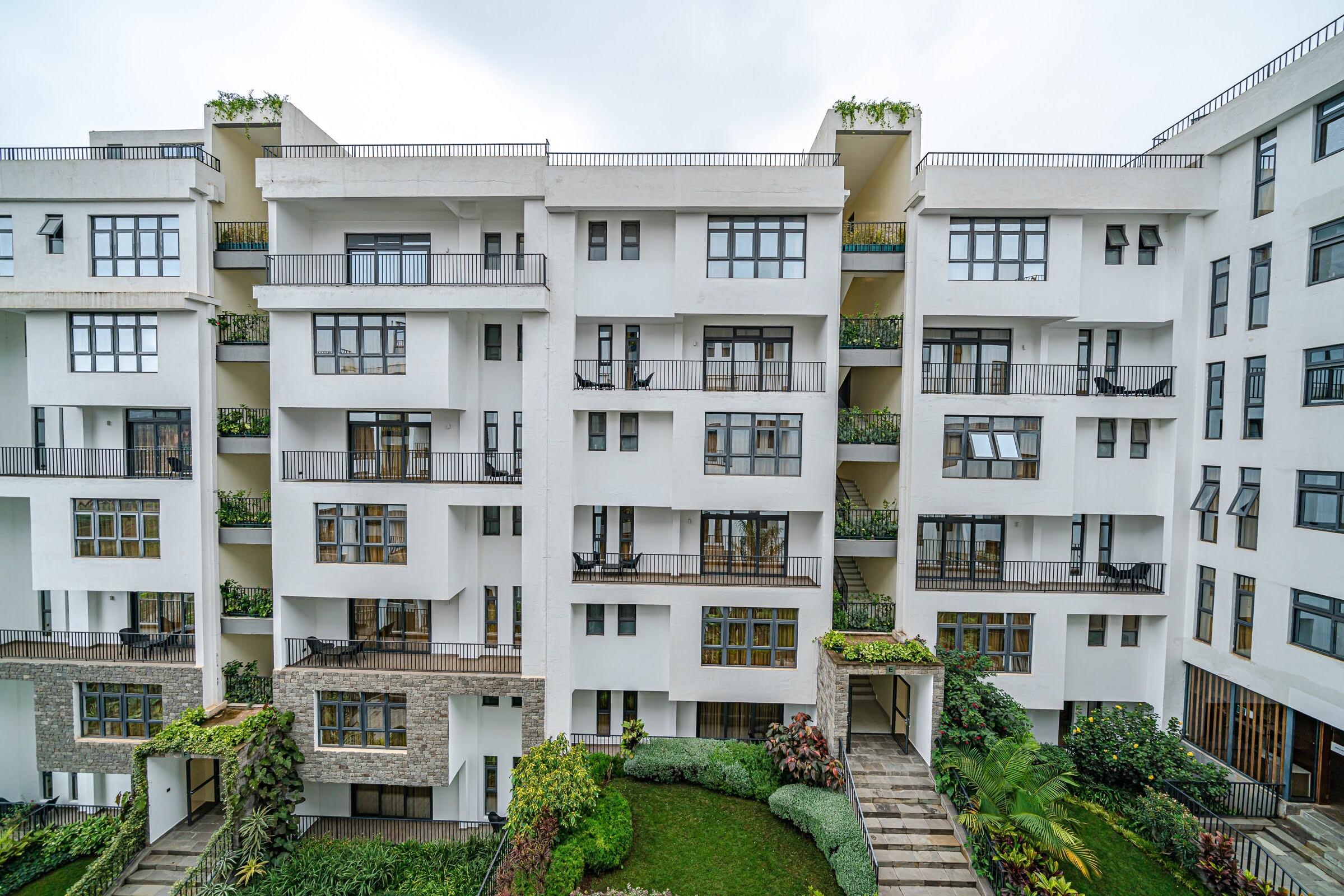

Kenya has emerged as a promising hub for real estate investment, attracting both local and international investors with its dynamic economy and a growing middle class. However, navigating the property market in this East African nation requires a strategic, well-informed approach. This guide is your compass, designed to help you unlock the potential of Kenya's real estate landscape while steering clear of common pitfalls. We'll delve into the intricacies of legal frameworks, the importance of due diligence, and the key market dynamics that shape a successful investment.
Our aim is to empower you with the knowledge to make confident, profitable decisions, ensuring your journey into Kenyan property ownership is both seamless and secure.
The Heart of East Africa: Getting to Know Kenya
Before you invest in the land, it's wise to get to know the land itself. Kenya is a vibrant country with a rich culture, diverse population, and a bustling economy. Knowing the lay of the land, its people, and its rhythm will give you a significant advantage as a potential property owner.
A Snapshot of Kenya:
- Capital City: The bustling capital city is Nairobi. Known as the "Green City in the Sun," Nairobi is a major economic and political hub in East Africa.
- Population: With an estimated population of over 57 million, Kenya has a large and youthful workforce, driving demand in both the residential and commercial property sectors.
- Languages: The official languages are Swahili and English. Swahili is the national language and widely spoken, while English is used in business, government, and higher education. This dual-language environment makes it relatively easy for international investors to communicate.
- Lifestyle & Culture: Kenyan culture is a beautiful blend of tradition and modernity. While family and community are central to life, especially in rural areas, urban centers like Nairobi and Mombasa have a cosmopolitan, fast-paced feel. The Kenyan lifestyle is generally sociable and friendly, though it's still wise to exercise common sense and caution, especially in crowded areas.
- Security: Like any major country, Kenya has areas that are safer than others. While crime, including mugging and carjacking, can occur, the government and local communities are actively working to improve security. It's always a good practice to be aware of your surroundings, avoid walking alone at night, and be cautious with your valuables.
- The Flag: The Kenyan flag is a powerful symbol. Black represents the people of Kenya, red symbolizes the blood shed in the fight for independence, and green stands for the country's fertile land. The narrow white stripes represent peace, and the traditional Maasai shield and spears at the center symbolize the defense of the nation's freedom.
The Pulse of the Market: Why Kenya's Real Estate is Thriving
Kenya's real estate sector is a vibrant and diverse ecosystem. From the bustling urban centers of Nairobi and Mombasa to the serene coastal regions and fertile agricultural lands, each area presents unique opportunities and challenges. A successful investor knows that "location, location, location" isn't just a cliché—it's a fundamental principle rooted in a deep understanding of market trends.
The Engine of Growth: Key Market Trends
Kenya's property market is closely tied to its economic performance. A robust GDP, increased foreign direct investment (FDI), and a growing population are all powerful catalysts for property value appreciation. Understanding these macroeconomic forces is the first step in formulating a sound investment strategy.
- Growing Middle Class: The expansion of a consumer-driven middle class fuels demand for modern residential and commercial properties. These buyers and tenants are seeking modern amenities, reliable infrastructure, and proximity to social amenities.
- Infrastructure Development: The government's ambitious infrastructure projects, such as the Standard Gauge Railway (SGR) and the expansion of key highways, have opened up new areas for development, dramatically increasing land values in once-remote regions.
- Urbanization: The rapid migration of people from rural areas to cities creates a constant need for housing, driving up rental yields and property prices in urban hubs.
Your Safety Net: Due Diligence is Non-Negotiable
The single most critical step before committing to any property purchase in Kenya is performing thorough due diligence. This is where most aspiring investors get it wrong, falling victim to fraudulent dealings or unforeseen legal entanglements.
The Land Registry Search: Unearthing the Truth
The first pillar of your due diligence is a comprehensive search at the Ministry of Lands. This is not a step to be rushed. A qualified and reputable property lawyer should conduct this search to obtain an official Certificate of Official Search, which reveals:
- Who owns it? Confirms the legitimate owner of the property.
- Are there any debts? Identifies any pre-existing debts, mortgages, or liens on the title.
- Are there any disputes? Reveals if there are any ongoing legal claims or warnings against the land.
Verifying Boundaries and Land Size
After confirming the ownership, the next step is to physically verify the property. Hire a registered surveyor to:
- Confirm Boundaries: Ensure the land's physical boundaries align with the details on the title deed.
- Verify Size: Measure the land to guarantee its size matches the stated acreage on the official documents. This is a crucial step that can prevent significant financial loss.
The Role of an Expert Property Lawyer
Engaging a lawyer is non-negotiable. They are your shield against legal and financial risks. Their expertise is vital for:
- Drafting Agreements: Preparing and reviewing the Offer Letter and Sale Agreement.
- Facilitating Payments: Channeling all payments through a secure client account, avoiding direct transactions with sellers.
- Ensuring Compliance: Guiding you through the intricate process of stamp duty payment and title transfer.
Finding Your Perfect Fit: Understanding Property Types
Kenya offers a range of property types, each with its own set of considerations. Understanding these distinctions is key to making an informed investment.
Land
Purchasing raw land is a popular long-term investment. It's often more affordable than developed property and offers flexibility for future projects, but requires a deeper understanding of zoning laws, land use, and the costs associated with development.
Residential Property
From apartments in Nairobi's central business district to family homes in the suburbs, residential properties are a mainstay of the Kenyan market. They offer strong rental yields and a potential for capital appreciation, especially in high-growth areas.
Commercial Property
This includes offices, retail spaces, and warehouses. While commercial properties can generate high returns, they require careful analysis of location, foot traffic, and the economic viability of the business environment.
Beyond the Price Tag: What to Budget For
The purchase price is only part of the equation. A strategic investor accounts for all associated costs.
- Stamp Duty: A government tax on the transfer of property, calculated as a percentage of the property's value.
- Legal Fees: Paid to your lawyer for their services throughout the transaction.
- Valuation Fees: Costs for a professional valuation of the property, often required by banks for mortgage purposes.
- Land Rates and Rents: Annual payments to the government. Ensure these are up to date before transfer.
Frequently Asked Questions
- Kenyan law recognizes three main types of land tenure: Freehold, which grants absolute ownership for an indefinite period; Leasehold, which gives the right to use land for a specified period, typically 99 years; and Allodial (Community Land), which applies to traditionally owned by indigenous communities.