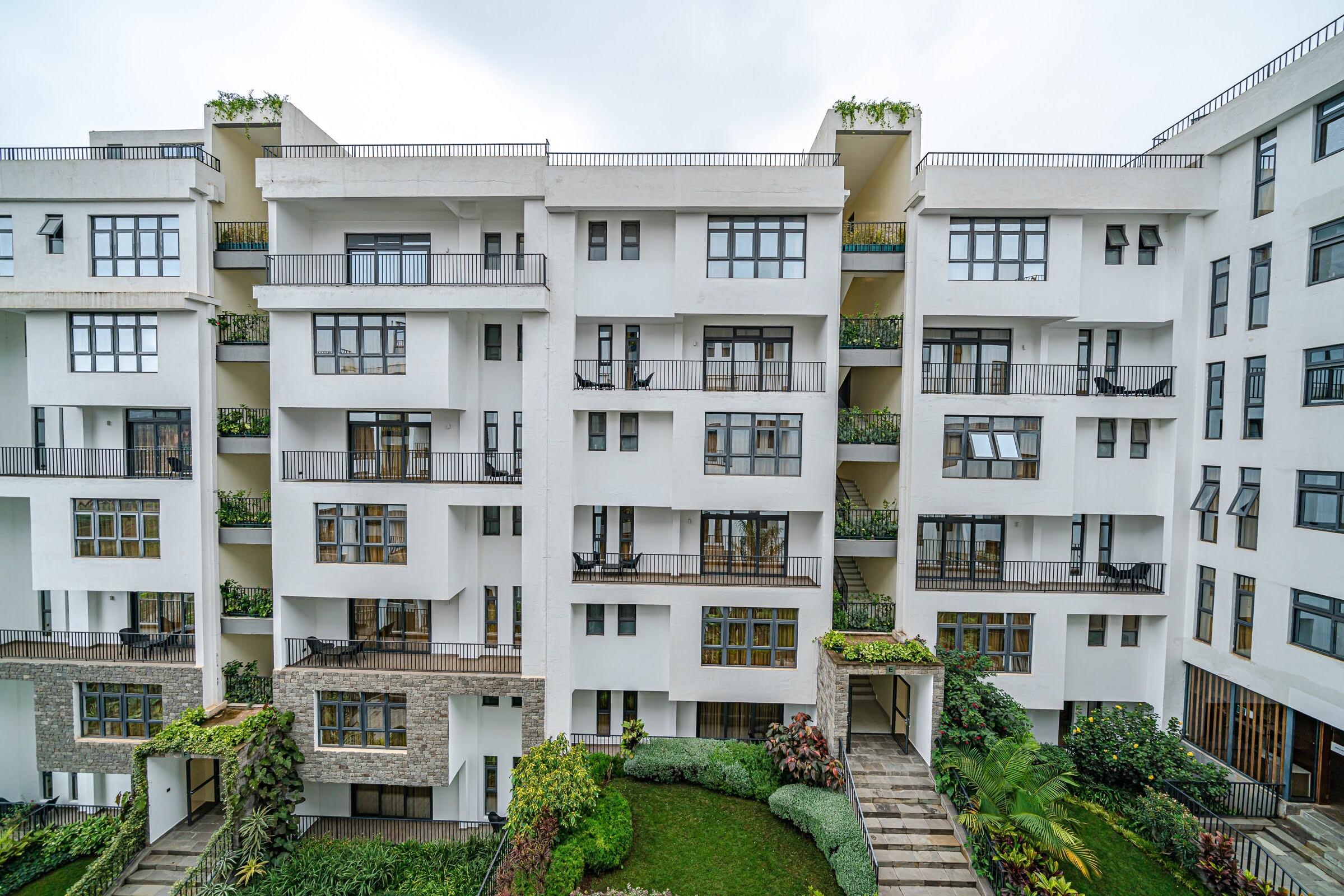

Tanzania's property market has experienced unprecedented growth, with property values in major cities like Dar es Salaam increasing by 12-15% annually over the past three years. This East African nation, home to over 61 million people and boasting political stability that's rare in the region, presents unique opportunities for both local and international property investors. However, navigating Tanzania's property landscape requires understanding complex legal frameworks, cultural nuances, and market dynamics that can make or break your investment dreams.
What is Property Investment in Tanzania
Property investment in Tanzania encompasses residential, commercial, and agricultural real estate acquisitions within the United Republic of Tanzania. The country operates under a dual land tenure system inherited from its colonial past and socialist policies, where all land technically belongs to the government, but individuals and entities can obtain rights of occupancy for up to 99 years.
Tanzania's property market is characterized by rapid urbanization, with approximately 35% of the population living in urban areas as of 2025. The capital, Dodoma, and commercial hub, Dar es Salaam, drive most high-value property transactions, while emerging markets in Arusha, Mbeya, and Zanzibar offer compelling investment opportunities for forward-thinking investors.
Understanding Tanzania's Legal Framework for Property Ownership
Land Ownership Structure
Tanzania operates under the Land Act of 1999 and Village Land Act of 1999, which classify land into three categories: General Land, Reserved Land, and Village Land. Foreign investors can only acquire rights to General Land, which comprises approximately 2% of Tanzania's total land mass.
The Certificate of Right of Occupancy (CRO) serves as the primary legal document for property ownership. This certificate grants occupancy rights for periods ranging from 33 to 99 years, renewable upon expiration. Understanding this system is crucial because it fundamentally differs from freehold ownership common in Western countries.
Foreign Ownership Restrictions
Non-citizens face significant restrictions when investing in Tanzanian property. The Tanzania Investment Act requires foreign investors to invest a minimum of USD 300,000 in property-related ventures. Additionally, foreigners cannot own land directly but must establish a local company with at least 51% Tanzanian ownership or partner with Tanzanian citizens.
These regulations exist to protect local interests while encouraging foreign investment that benefits the broader economy. Successful foreign investors often establish genuine partnerships with local Tanzanians, creating mutually beneficial arrangements that comply with legal requirements while achieving investment objectives.
Market Analysis and Economic Indicators
Current Market Trends
Tanzania's economy has maintained steady growth, averaging 6-7% GDP growth annually despite global economic uncertainties. This economic stability translates into consistent demand for quality housing, particularly in urban centers experiencing rapid population growth.
The property market shows distinct segmentation: luxury properties in prime locations command premium prices, while affordable housing remains in critical shortage. Government initiatives like the National Housing Corporation's affordable housing programs are addressing this gap, creating opportunities for investors focused on mid-market segments.
Regional Market Variations
Dar es Salaam remains Tanzania's most expensive property market, with average residential property prices ranging from USD 150-500 per square meter depending on location and quality. The city's status as East Africa's third-largest port drives commercial property demand, making it attractive for mixed-use developments.
Dodoma, the official capital, presents emerging opportunities as government operations continue relocating from Dar es Salaam. Property prices remain relatively affordable, but strategic investments near government facilities and educational institutions show promising appreciation potential.
Zanzibar offers unique opportunities in tourism-related property development. The island's UNESCO World Heritage status and pristine beaches attract international tourists, creating demand for vacation rentals, boutique hotels, and resort developments.
Financial Considerations and Investment Costs
Initial Investment Requirements
Property investment in Tanzania requires substantial upfront capital beyond the purchase price. Typical additional costs include:
- Legal fees: 2-5% of property value
- Survey and valuation costs: 1-2% of property value
- Stamp duty: 4% of property value
- Registration fees: approximately 0.5% of property value
- Agent commissions: 2-5% of property value
These costs can add 10-17% to your total investment, making accurate budgeting essential for successful property acquisition.
Financing Options
Local financing remains challenging for property investors. Tanzanian banks typically require 30-50% down payments with interest rates ranging from 16-22% annually. Foreign investors often find self-financing or offshore financing more practical, though this increases currency exchange risks.
Some investors explore partnerships with local financial institutions or development finance institutions like the International Finance Corporation, which offer more favorable terms for qualifying projects that demonstrate social or economic impact.
Infrastructure Development and Location Selection
Transportation Networks
Tanzania's infrastructure development significantly impacts property values. The Standard Gauge Railway project connecting Dar es Salaam to inland regions improves accessibility to previously remote areas, potentially transforming property markets along the route.
The Port of Dar es Salaam's expansion and new Bagamoyo Port development create opportunities in logistics and industrial property sectors. Properties near these infrastructure projects often experience accelerated appreciation as connectivity improves.
Utilities and Services
Reliable electricity and water supply remain challenges in many areas. The government's Rural Energy Agency and urban utility companies are expanding coverage, but investors should thoroughly assess utility availability and reliability before committing to specific locations.
Internet connectivity has improved dramatically, with fiber optic networks reaching most urban areas. This development supports the growing technology sector and enables remote work, potentially changing residential location preferences.
Cultural and Social Considerations
Understanding Local Customs
Tanzania's cultural diversity encompasses over 120 ethnic groups, with Swahili serving as the unifying national language. Successful property investors invest time understanding local customs and building genuine relationships with community members.
The concept of "harambee" (community cooperation) influences property development and neighborhood dynamics. Projects that benefit local communities often receive stronger support and face fewer obstacles than those perceived as exploitative.
Working with Local Partners
Establishing trustworthy local partnerships is crucial for foreign investors. Local partners provide invaluable insights into market conditions, regulatory changes, and cultural nuances that can significantly impact investment success.
Due diligence when selecting local partners should include background checks, reference verification, and clear legal agreements outlining responsibilities and profit-sharing arrangements.
Risk Assessment and Mitigation Strategies
Political and Economic Risks
Tanzania's political stability under the current administration provides a favorable investment environment. However, policy changes can impact foreign investment regulations, making continuous monitoring of political developments essential.
Currency fluctuation risks affect foreign investors significantly. The Tanzanian Shilling has experienced periods of volatility, and investors should consider hedging strategies or structuring investments to minimize currency exposure.
Market-Specific Risks
Property market liquidity remains limited, particularly for high-value properties. Exit strategies should be planned carefully, as selling property may take longer than in more developed markets.
Title disputes occasionally arise, emphasizing the importance of thorough legal due diligence and title verification. Working with reputable law firms specializing in property law helps mitigate these risks.
Legal Due Diligence Process
Title Verification
Comprehensive title searches through the Ministry of Lands, Housing and Human Settlements Development are essential. This process verifies ownership history, identifies any encumbrances, and confirms the seller's legal right to transfer property rights.
Survey verification ensures property boundaries match legal descriptions and identifies any boundary disputes or encroachments. Professional surveyors licensed by the Surveyors Registration Board should conduct these assessments.
Environmental and Zoning Compliance
Environmental impact assessments may be required for certain property developments. The National Environment Management Council oversees these assessments, and compliance is mandatory for properties in sensitive areas or large-scale developments.
Zoning regulations vary by location and can significantly impact property use and development potential. Verifying current zoning status and understanding potential future changes helps investors make informed decisions.
Tax Implications and Obligations
Property-Related Taxes
Property investors face several tax obligations in Tanzania:
- Service levy: Annual charge of 0.15% of property value for urban properties
- Rental income tax: 20% of gross rental income
- Capital gains tax: 10% of capital gains upon property sale
- Withholding tax: 10% on rental payments to non-residents
Understanding these tax implications is crucial for accurate return calculations and compliance with Tanzanian tax laws.
Tax Planning Strategies
Strategic tax planning can optimize investment returns while ensuring legal compliance. Some investors structure investments through Tanzanian companies to access more favorable tax treatments, though this requires careful legal structuring and ongoing compliance obligations.
Working with qualified tax advisors familiar with both Tanzanian tax law and international tax treaties helps optimize tax efficiency while maintaining legal compliance.
Future Development Prospects
Government Initiatives
Tanzania's Vision 2025 development plan emphasizes infrastructure development, industrialization, and urban planning improvements. These initiatives create opportunities for property investors aligned with government development priorities.
The National Five-Year Development Plan allocates significant resources to housing, transportation, and utilities infrastructure, potentially benefiting property markets in targeted regions.
Demographic Trends
Tanzania's young population (median age 17.8 years) and rapid urbanization create sustained demand for housing and commercial properties. Population growth averages 2.8% annually, with urban areas experiencing even higher growth rates.
This demographic dividend suggests long-term property demand growth, particularly in urban centers and areas with employment opportunities.
Investment Strategies and Property Types
Residential Property Investment
Residential property investment in Tanzania offers several approaches:
Single-family homes in established neighborhoods provide steady rental income and potential capital appreciation. Target areas include Masaki, Msasani Peninsula, and Oyster Bay in Dar es Salaam.
Apartment complexes and condominiums cater to growing urban professionals and expatriate communities. Mixed-use developments combining residential and commercial spaces often generate higher returns.
Affordable housing projects aligned with government initiatives may qualify for incentives and tap into underserved market segments with strong demand.
Commercial Property Opportunities
Office buildings in central business districts command premium rents, particularly properties offering modern amenities and reliable utilities.
Retail spaces in shopping centers and along major commercial streets benefit from Tanzania's growing middle class and consumer spending power.
Industrial properties near ports, airports, and transportation hubs serve Tanzania's role as a regional trade hub and manufacturing center.
Exit Strategies and Property Liquidation
Market Timing Considerations
Property market cycles in Tanzania follow broader economic trends, with peak demand typically coinciding with economic growth periods and resource sector expansion.
Understanding local market timing helps optimize exit strategies, though limited market liquidity means patience is often required for optimal pricing.
Legal Requirements for Property Sales
Property sales require government approval and compliance with specific procedures. The process typically takes 3-6 months and involves:
- Obtaining consent to assign from the Commissioner for Lands
- Conducting fresh surveys and valuations
- Paying applicable taxes and fees
- Completing title transfer documentation
Working with experienced legal counsel ensures smooth transactions and compliance with all regulatory requirements.
Frequently Asked Questions
- Property purchases typically take 3-6 months to complete, including due diligence, legal documentation, government approvals, and title transfer processes. Complex transactions or those involving foreign investors may take longer due to additional regulatory requirements.