2025 is shaping up to be a golden year for travelers and rental investors alike. Global tourism is rebounding and Africa’s hottest cities are on the rise. Cape Town, Nairobi, and Zanzibar each blend growing visitor demand with attractive yields for short-term rentals. In Cape Town, for example, over 23,000 Airbnb listings now exist (80% of them entire homes).
Short-term rentals here can yield 10–15% per year – roughly double what you’d earn with traditional leases. Kenya’s capital Nairobi is seeing a tech boom and strong expatriate travel, making apartments in Westlands or Kilimani highly sought after. And Zanzibar’s tropical paradise is enticing enough that the government now offers 15-year tax breaks to foreign property buyers. In this guide we’ll walk through the smartest neighborhoods, seasonal trends, and investor considerations in each market.
Cape Town, Prime Ocean Views & City Energy
Cape Town’s rental market is as dramatic as its scenery. Here the Atlantic Seaboard (think Camps Bay and Clifton) has become an Airbnb goldmine, with listings growing by 190% since 2022. Tourists flock to Table Mountain, world-class beaches, and the V&A Waterfront year-round, driving high occupancy. Data show Cape Town hosts charge around R1,439 ($80) per night on average and enjoy about 70% occupancy. Investors can command 30–50% higher monthly revenue on Seaboard listings than from long-term tenants. That premium reflects strong tourism: Cape Town draws about 700,000 Airbnb guests annually.
Beach-adjacent suburbs remain the sweet spot. Properties in Camps Bay, Clifton, Sea Point, and Green Point are highly sought after, thanks to their ocean views, beaches, and vibrant dining and nightlife scenes. The V&A Waterfront and City Centre also attract business and tourist stays. A compact, well-furnished 2–3 bedroom apartment in these areas will appeal to couples and families (the typical Cape Town Airbnb group is about 3.3 people).
If you can swing it, a beachfront villa or luxury penthouse commands the highest rates in peak summer. Cape Town’s high season peaks in December–January, so hosts use dynamic pricing to maximize summer rates (over $220/night) while offering discounts or longer-stay deals in winter.
However, new investors should be aware of regulations and community impacts. The city allows short lets under 30 days if zoning laws permit, but homeowner associations can impose their own limits. Nationally, South Africa is considering licensing and taxes on Airbnb revenue to ease housing pressure. Housing advocates note that most Cape Town Airbnbs are entire units, which can squeeze the long-term rental supply. To stay on the right side of the law, register your property with the city and check for any local bylaws on short-term rentals.
In practice today, requirements are light (“low STR regulations” in 2025), but scrutiny is growing. If you do your homework and pick a top spot, Cape Town remains one of the most profitable short-let markets worldwide.
Nairobi, Business & Safari Gateway
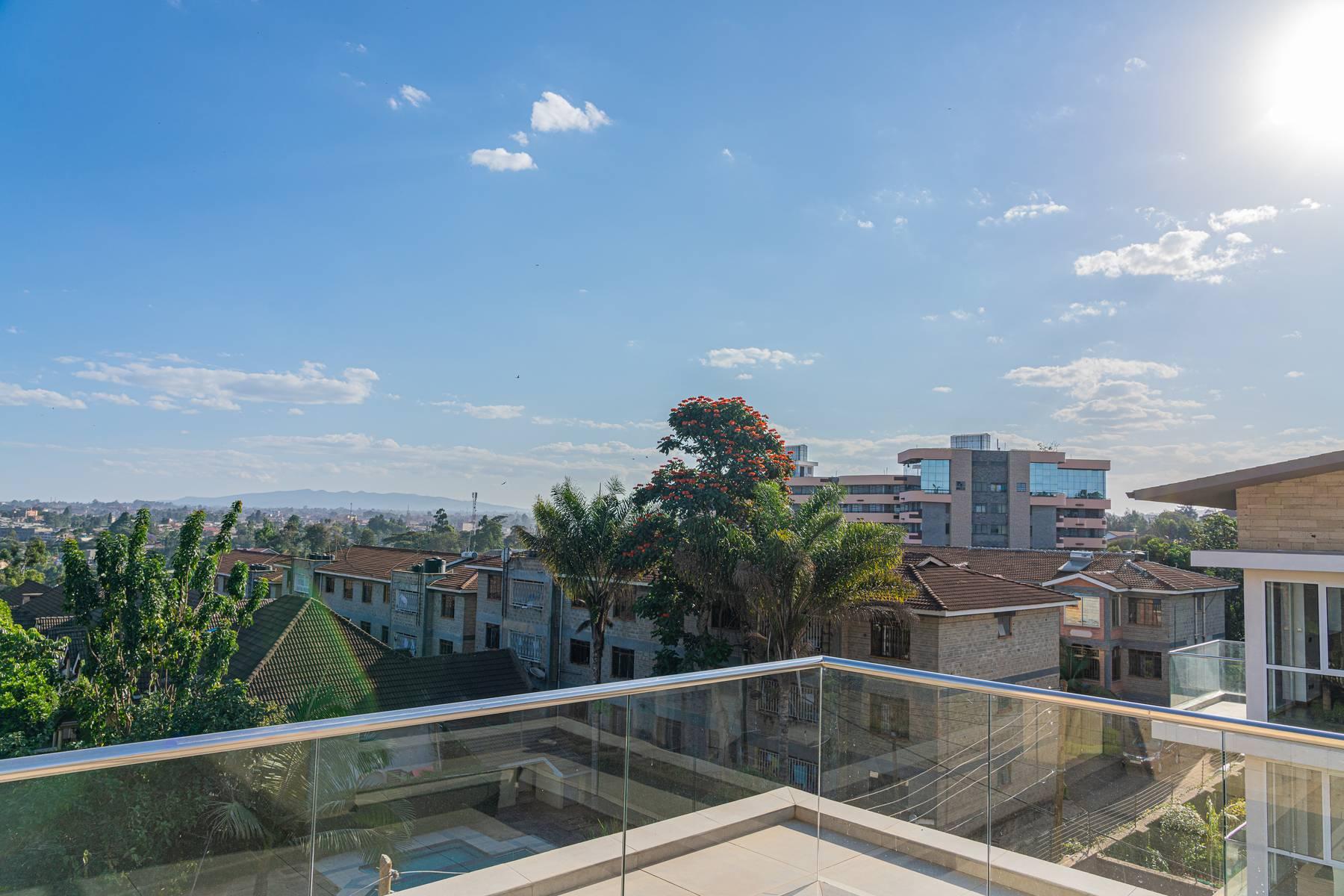
Nairobi is East Africa’s business and travel hub, and its Airbnb scene is booming. Landlords here are seeing strong demand from weekend tourists, business travelers, and Kenyan diasporans returning home. Notably, Nairobi’s Westlands and Kilimani neighborhoods top the wish lists for investment – they’re vibrant suburbs with shopping malls, restaurants, and office parks.
These areas attract both leisure guests (for safari trips or city sightseeing) and corporate visitors. AirROI highlights Westlands (“nightlife, dining, shopping”) and Karen (affluent, green, near wildlife parks) as prime host locations. Even parts of CBD (Central Business District) see bookings for short stays by business travelers.
In practical terms, Nairobi’s short-term rental yields are competitive. An analysis notes that investors across Kenya now praise Airbnb’s returns over traditional rentals. While specific local yield figures vary, you can expect strong occupancy around conference seasons (July–September) and holidays.
Data show Nairobi’s Airbnb demand peaks in October (likely driven by conferences and mid-term breaks). Prices per night are lower than Cape Town (median ~$41/night), but property prices are also lower – meaning a good ROI in Kenyan shillings. Dynamically pricing for Nairobi’s two “shoulder” seasons (April–June, October) and discounting in low-demand months (roughly May–June, November) will help maximize earnings.
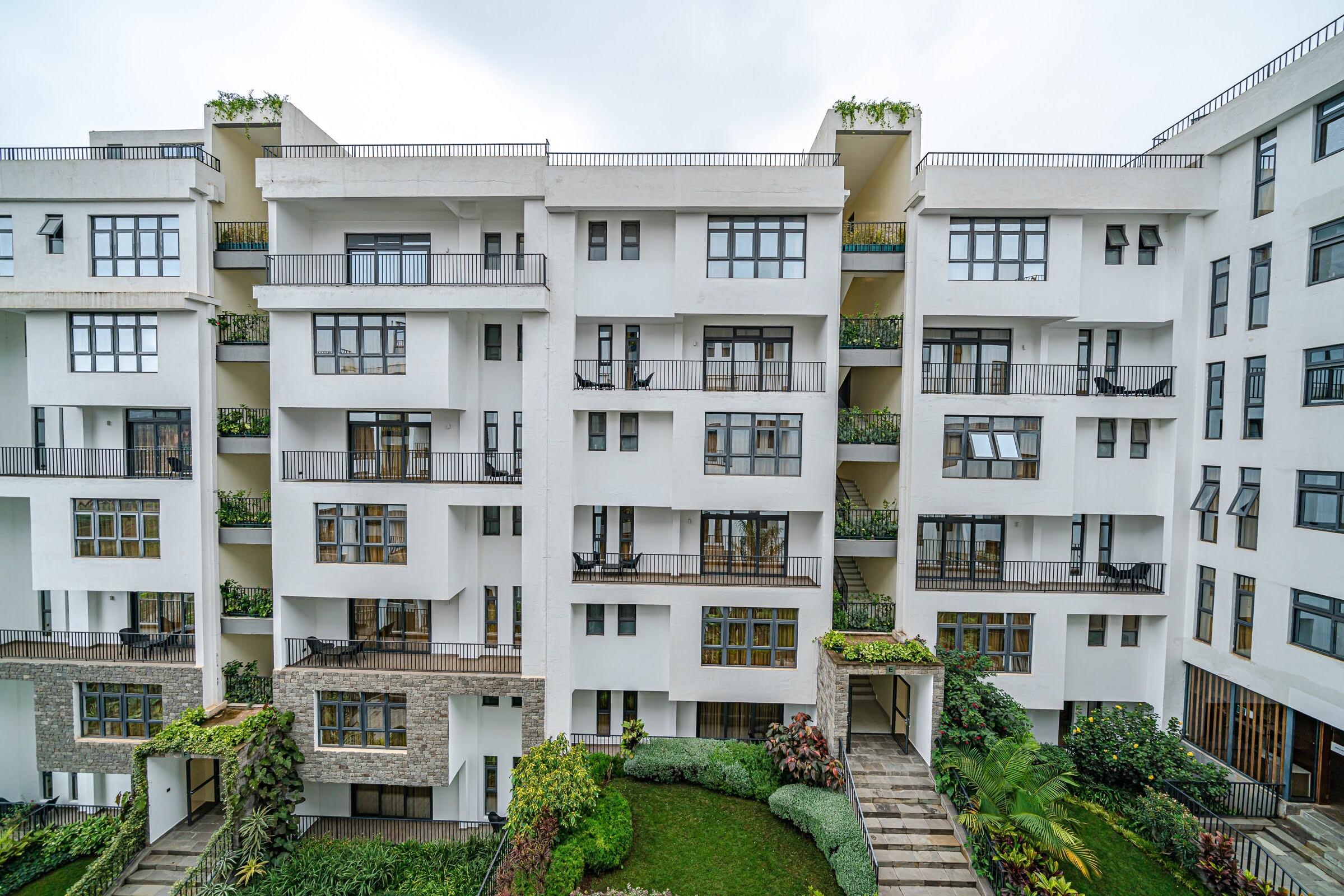
Property type matters: modern, secure apartments or townhouses are hot. Many Nairobi investors buy into gated developments (in Westlands, Kilimani or newer areas like Ngong Road) where tenants pay premium rents for safety and amenities. A 2-bedroom condo with parking and a backup power supply can easily cater to families or colleagues. Note that official regulation remains minimal, Nairobi has “low STR regulations” in 2025, but it’s wise to register with the county government for good measure. Overall, Nairobi suits investors who want high growth potential in a city already seeing a tourism boom. The rentability (especially through foreign platforms) makes this market more stable and lucrative than ever.
Zanzibar, Tropical High-Season Paradise
Zanzibar offers a different appeal: idyllic beaches and heavy high-season demand. This Tanzanian archipelago is a vacation hotspot, especially from December through April. In fact, April often brings the highest bookings, coinciding with dry-season travel. Investors can capitalize on festivals and holidays when occupancy soars to 80–90%. Popular beach towns like Nungwi, Kendwa, Jambiani, Paje and the historic Stone Town see the most action. Data from AirROI rank Jambiani and Dongwe at the top for revenue potential, both offer pristine sands and easy access to snorkeling/swimming. In contrast, more remote villages see lighter booking (the least-performing areas had far lower occupancy).
To make the most of Zanzibar’s seasonality, investors should plan for the shoulder months. During low season (roughly May–September), earnings can drop significantly. Savvy hosts counter by offering long-stay discounts or targeting budget travelers and remote workers to fill gaps. It’s crucial to adjust nightly rates: top properties charge upwards of $220/night in peak season, but you may need to drop to $100–$150 to attract guests off-season.
Luckily, the government’s new 15-year corporate tax holiday makes holding property more attractive here. (The Tanzanian shilling is stable, and property values have appreciated ~13% per year in hotspots.)
On the ground, local regulation is currently lax: Zanzibar has few enforced short-term rental rules and “lenient” oversight. That means less red tape, but always check that any listing is properly licensed. The majority of Zanzibar Airbnb traffic is international – roughly 95% of guests come from abroad (the largest group being Americans) so properties that cater to overseas tastes tend to perform best. In practice, this means beachfront villas, boutique resorts, or renovated Swahili houses. Stone Town apartments near restaurants/markets can also do well. In summary, Zanzibar suits investors who want high tourism yield and don’t mind seasonal swings. With strong government incentives and a unique island lifestyle, it’s a high-reward market for those ready to ride the high season.
Comparative Insights
Cape Town vs. Nairobi vs. Zanzibar
Cape Town is the most developed rental market (with the highest property prices) and offers steady year-round demand, making it suited to investors seeking premium income and city amenities. Nairobi is mid-tier – still growing but more affordable; it’s a great fit for investors attracted to emerging-tech hubs and diverse guest profiles. Zanzibar is the most seasonal and tourist-centric – ideal for buyers looking to capitalize on vacation demand and tax benefits, while accepting off-season downtime.
Investor types
If you’re an investor who prioritizes predictability and don’t mind higher entry costs, Cape Town might be your best bet. Its strong Western tourist base and high ADRs (above $200 in summer) can justify the price. For growth-minded investors comfortable with an up-and-coming market, Nairobi offers high occupancy from both leisure and business travel, plus long-term capital growth in a major African capital. Zanzibar appeals to niche investors seeking lifestyle and tax incentives – here the dream beach lifestyle can translate to impressive peak-season profits, especially for villa owners near the shore.
Property type
Across all three cities, fully furnished apartments or villas targeting 2–4 guests tend to yield the best returns. Cape Town and Nairobi favor modern condos or townhouses in secure complexes, while Zanzibar rewards standalone villas or locally-styled boutique homes by the beach. Always match your purchase to the typical guest: families and groups want space and amenities (kitchens, laundry), whereas solo or couple travelers may prioritize location and design.
Final Thoughts
No matter which city you choose, local insight is everything. Talk to local hosts, guesthouses, and real estate agents to understand neighborhood nuances. Verify any licensing rules (they’re evolving in South Africa and Kenya) and factor in costs like property management and local taxes. Consider currency and financing: foreign buyers should hedge or hold some local currency, especially in Zanzibar where you’ll earn in USD or euros but pay in Tanzanian shillings. The smartest strategy is always a bit of boots-on-the-ground research. By picking the right city and neighborhood, and staying adaptable to tourism trends, you’ll be well-positioned to enjoy the generous returns that short-term rentals in Cape Town, Nairobi, and Zanzibar can offer.
Frequently Asked Questions
- It can be very profitable. Nairobi’s short-let market is expanding rapidly, and experts say returns “often exceed traditional rentals”. Busy neighborhoods like Westlands, Kilimani, Karen – with malls and safari lodges – get high occupancy.. Business travelers also fill rooms near Kenyatta Conference Centre or the airport. Nairobi has few strict STR rules as of 2025, but registration is recommended. Careful pricing (higher in Oct/Dec, promotions in low season) yields strong annual revenue despite moderate base ADRs.