Section
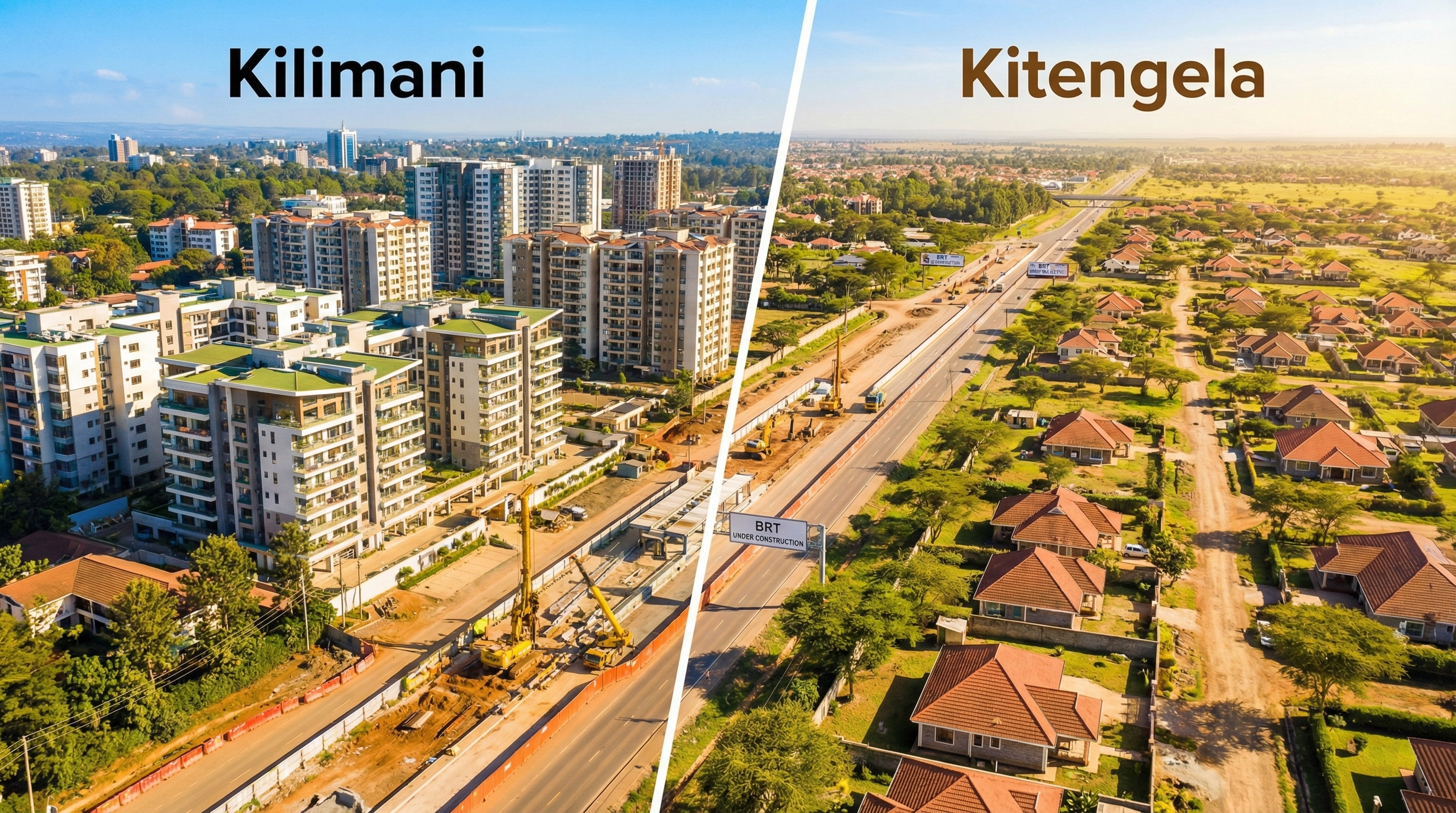
In 2026, Nairobi's real estate market is playing an intriguing game of contrast. Imagine this: while the price of a mid-range three-bedroom house in Kilimani inches upward to around 18 million Kenyan Shillings, neighborhoods like Kitengela remain surprisingly stable, with similar homes holding steady at 9 million Shillings. This disparity isn't just a quirk; it's a reflection of Nairobi's unique urban sprawl and the infrastructural promises that hang in the air like unfulfilled New Year resolutions.
The BRT system, still under construction, is a promise of connectivity, but for now, it's creating a betting ground for investors. If the BRT finally materializes, areas like Kitengela could see a surge in demand. The lesson for investors is clear: betting on infrastructure promises might just be the winning ticket in Nairobi's unpredictable real estate lottery.
Price Comparison by Area
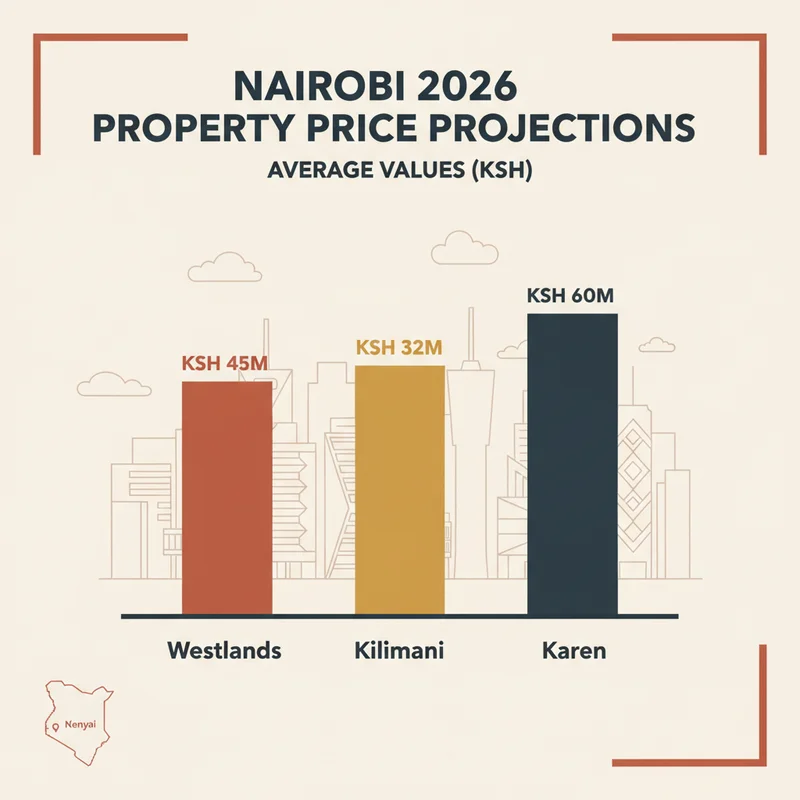
*Infographic showing Price Comparison by Area data for Kenya real estate*
In the active tapestry of Nairobi's real estate market, each neighborhood tells its own story, and the contrasts are as striking as they are informative. Westlands, a bustling hub known for its thriving nightlife and commercial activity, has seen its average home prices climb to 15.2 million KES, reflecting an 8.5% year-over-year increase. This might sound steep, but it comes with a rental yield of 7.2%, offering a silver lining for investors looking for steady income.
Now, shift your gaze a little to Kilimani, where average prices rest at 12.8 million KES, a 6.2% rise from last year. It’s not just the allure of its leafy streets or proximity to Yaya Centre that draws buyers, but the rental yield of 8.1% — a tempting proposition for those keen on maximizing returns. In this dance of numbers, Kilimani emerges as a potential sweet spot for investors seeking to balance purchase price with rental profitability.
But let’s not forget about the outliers. Karen, an area synonymous with upscale living and expansive gardens, presents a different picture. Here, prices hover around 20 million KES, with a modest 5% annual growth. The rental yield, however, is less enticing at 4.5%, indicating that the charm of Karen might be more about prestige than profit.
Lastly, consider Lavington, where the average price is 14 million KES, and growth is a steady 7%. The rental yield stands at 6.5%, a middle ground that appeals to those who want a slice of luxury without the hefty price tag of Karen.
| Neighborhood | Avg Price (KES) | YoY Change | Rental Yield |
|--------------|-----------------|------------|--------------|
| Westlands | 15.2M | +8.5% | 7.2% |
| Kilimani | 12.8M | +6.2% | 8.1% |
| Karen | 20.0M | +5.0% | 4.5% |
| Lavington | 14.0M | +7.0% | 6.5% |
The real question for investors is: what do you value more, prestige or profit? The numbers tell stories of opportunity — it’s just a matter of which narrative you want to invest in.
Q: What is the average property price in Kilimani?
In Kilimani, the average property price is KES 18.5 million as of January 2026. This area has seen a steady rise, with prices increasing by 10% over the past year, indicating its growing popularity among both local and diaspora buyers.
Q: Are prices in Nairobi's outskirts like Ruaka rising?
Yes, the outskirts of Nairobi, such as Ruaka, have seen a rise in property prices. Currently, the average price stands at KES 8.9 million, up 12% from last year. This trend reflects the increasing demand for affordable housing options within commuting distance to the city center.
Q: How does Nairobi's property market compare to Mombasa?
Nairobi's property market, with its diverse price points and rapid appreciation, contrasts sharply with Mombasa's relatively stable prices. In Mombasa, the average property price is KES 9.3 million, showing only a modest 3% increase over the past year. This stability is attractive to investors seeking less volatile returns.
Q: What factors are driving property prices in Nairobi?
Several factors are pushing Nairobi property prices upward, particularly in neighborhoods like Westlands and Kilimani. The ongoing construction of the BRT and proximity to the Expressway are enhancing accessibility and desirability. These infrastructure projects make certain areas more appealing, thus driving demand and prices.
Q: Is it a good time for diaspora investors to buy property in Kenya?
For diaspora investors, now is a promising time to consider property investments in Kenya. Neighborhoods like Kilimani and Ruaka offer a blend of growth potential and accessibility. The stable political environment and projected economic growth further enhance the investment landscape, making it an opportune moment to enter the market.
Q: Are there risks involved in buying property in Nairobi?

*Illustration depicting Q Are there risks involved in buying property in Nairobi in Kenya property market*
While the Nairobi property market offers major growth potential, it comes with risks such as fluctuating interest rates and potential regulatory changes. Buyers should conduct thorough due diligence and consider working with reputable agents to navigate these challenges effectively.
Frequently Asked Questions
- Property values have been showing steady growth, with variations by property type and exact location within the area.