
Houses For Sale
Nigeria0 properties available
$ 0.00
Average Price
0
Available


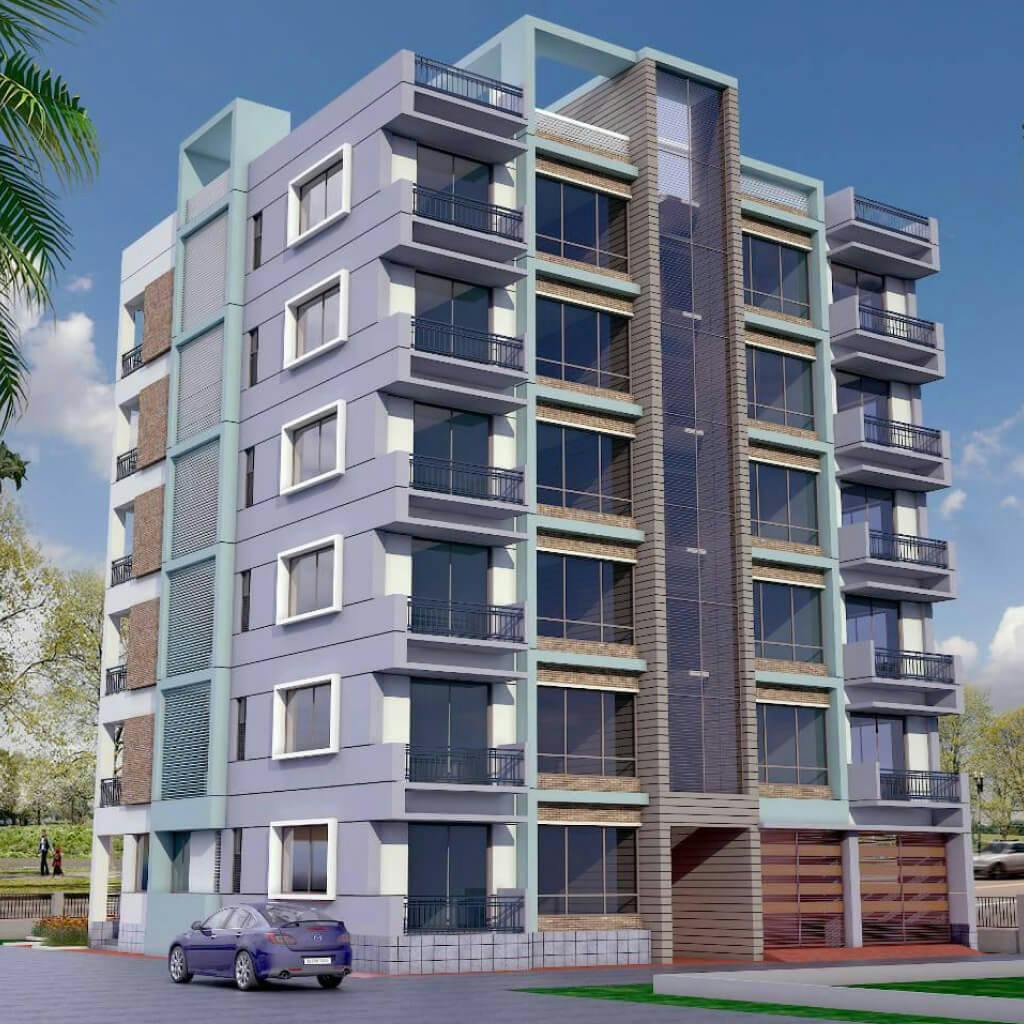

Houses Showcase
Nigeria
Total Units0
Starting From
$ 0
Average Price
$ 0




Your search returned 0 properties.
Please modify your criteria and try again or choose from one of our curated pages for similar listings and neighborhoods below
Houses for Sale in Nigeria: 2024 Market Trends and Lagos Property Guide
Outline:
1. Navigating Nigeria’s Real Estate Landscape Amid 4% GDP Growth
Explore the broader economic context influencing real estate and how GDP growth translates into property opportunities.
Lagos Real Estate Market Statistics
📊GDP Growth
Current Value4%
SourceNational Bureau of Statistics
📊Property Price Trend
Current ValueStable
SourceRehani Soko Property Analytics
📊Rental Yield
Current Value6%
SourceRehani Soko Data
2. Cash vs. Mortgages: Surviving the 26.5% Local Lending Rate
Delve into the financial considerations of purchasing property in Lagos, weighing the benefits and drawbacks of cash purchases against mortgage financing.
3. How the 13% Surge in Remittances is Driving Diaspora Property Purchases
Understand the role of remittances in boosting property demand and how they shape investment trends among the diaspora.
4. Where to Buy in Lagos: From Lekki Off-Plan Deals to Ikoyi Estates
Discover the most promising neighborhoods in Lagos, comparing investment options from emerging areas to established estates.
5. Is Now the Right Time to Buy Property in Nigeria?
Evaluate the current market conditions and assess whether the timing aligns with your investment goals.
Through this comprehensive guide, you will gain a balanced perspective on the Lagos property market, empowering you to make strategic investment decisions. Whether you are a local investor or part of the diaspora seeking to connect with your roots, this article provides the insights needed to navigate the exciting opportunities that the Nigerian real estate market has to offer.
Visual summary: The comic series below walks through the story and ideas in this article.
📖
Page 1 of 5Houses for Sale in Nigeria: 2024 Market Trends and Lagos Property Guide
Navigating Nigeria’s Real Estate Landscape Amid 4% GDP Growth
The Nigerian real estate market is experiencing a period of transformation, buoyed by a reported 4% GDP growth according to the National Bureau of Statistics (NBS). This growth is influencing both the demand and supply dynamics in the housing sector, particularly in urban areas like Lagos. As Nigeria's financial hub, Lagos presents a unique blend of opportunities and challenges for property buyers and investors.
Cash vs. Mortgage Comparison in Lagos
1
Cash Purchase
ProsNo interest, full ownership
→
ConsRequires large upfront capital
2
Mortgage
ProsSpread payments over time
→
ConsHigher overall cost due to 26.5% interest rate
3
Mixed Approach
ProsBalance liquidity and cost
✓
ConsRequires strategic planning to optimize benefits
In the heart of Lagos, the real estate market is showing signs of resilience. According to Rehani Soko market intelligence, property prices have stabilized, providing a more predictable environment for investors. The metropolitan area, known for its vibrant economy and burgeoning population, continues to attract interest from both local and international buyers. This is a clear indication that the market is adapting to the economic changes, a process that removes the uncertainty often associated with such investments.
The consistent rental yield of 6%, as shown by Rehani Soko data, highlights the potential for steady income streams in the Lagos property market. For those considering investing, this stable yield is an attractive feature, especially in a city with a high demand for rental properties.
To navigate this landscape effectively, potential investors should explore the diverse neighborhoods within Lagos. Each area offers unique characteristics and opportunities, making it essential to conduct thorough research. For more detailed insights, prospective buyers can browse all properties available in Lagos or consult Rehani Soko’s mortgage calculator to understand financing options better.
In conclusion, Nigeria's real estate sector is poised for growth, driven by economic development and urbanization trends. By leveraging available data and tools, investors can make informed decisions, ensuring their investments align with personal and financial goals.
Cash vs. Mortgages: Surviving the 26.5% Local Lending Rate
Navigating the Nigerian real estate market, particularly in Lagos, requires an astute understanding of financing options amidst the prevailing 26.5% local lending rate. This high interest rate, as reported by the Central Bank of Nigeria, presents a formidable challenge for potential homeowners and investors. Yet, there are strategies to effectively manage these costs, whether opting for cash purchases or mortgages.
For those considering a cash purchase, the advantage is clear: a cash transaction removes the uncertainty associated with fluctuating interest rates. However, it requires substantial upfront capital, which can be a significant barrier for many. On the other hand, securing a mortgage allows for spreading payments over time, albeit at the expense of higher cumulative costs due to interest.
According to Rehani Soko property analytics, Lagos remains a hotbed for real estate investment, with certain areas showing promising return potentials. For example, Ikoyi, Victoria Island, and Lekki are prime locales where property values have consistently appreciated. This trend suggests that even with high interest rates, the potential for property value growth could offset some of the financial burdens of a mortgage.
For prospective buyers, a mixed approach could offer a balanced strategy, leveraging both cash and mortgage financing to optimize liquidity and minimize costs. This approach requires careful financial planning, which can be facilitated by using tools such as the mortgage calculator available on Rehani Soko's platform.
As you consider your options, it's crucial to evaluate the financial implications thoroughly. Tools like the Ask Hani feature can provide tailored advice to help navigate these decisions. Whether you choose cash, a mortgage, or a combination of both, understanding the dynamics of the Lagos property market is key to making informed investment choices.
How the 13% Surge in Remittances is Driving Diaspora Property Purchases
The recent 13% increase in remittances to Nigeria has significantly influenced the real estate market, particularly in Lagos. This surge in financial inflows from the diaspora has provided a boost in purchasing power for many families and individuals looking to invest in property. According to Rehani Soko market intelligence, these funds have created a noticeable uptick in property acquisitions, as Nigerians abroad see real estate as a stable investment that connects them to their homeland.
Pros and Cons of Diaspora-Driven Property Purchases
✓ Pros
Increased purchasing power for families
Potential for market inflation
Boost to local real estate market and economy
Risk of speculative buying
Strengthened connection to homeland
Dependence on remittance stability
✗ Cons
Increased purchasing power for families
Balance between supply and demand is crucial
Boost to local real estate market and economy
Need for informed decision-making
Strengthened connection to homeland
Diversification of investment sources recommended
This influx of capital is particularly impactful given the current economic conditions. With a local lending rate of 26.5%, cash purchases enabled by remittances are becoming a more attractive option compared to traditional financing methods. The funds sent by the diaspora not only support individual property purchases but also contribute to broader economic growth, as these transactions stimulate local businesses and job creation within the real estate sector.
The diaspora's involvement in property purchases also fosters a sense of belonging and pride, as owning property in Nigeria represents a tangible connection to one's roots. As these investments grow, so does the hope for further development and modernization of local infrastructure.
For those looking to explore property opportunities in Lagos, Rehani Soko offers a comprehensive platform to browse listings and gain insights into market trends. Additionally, potential buyers can use the mortgage calculator to better understand financing options available in the current economic climate.
In summary, the rise in remittances is not just a lifeline for individual families, but a driver of economic vitality and growth in Nigeria's real estate market. This dynamic highlights the critical role of the diaspora in shaping the future of property investment in the region.
Where to Buy in Lagos: From Lekki Off-Plan Deals to Ikoyi Estates
Lagos, Nigeria's bustling economic hub, offers a diverse array of real estate opportunities for both local and diaspora investors. Choosing the right area to invest in can significantly impact potential returns. In 2024, the property market in Lagos is shaped by dynamic shifts, with areas like Lekki and Ikoyi standing out for their distinctive offerings.
Lekki has become synonymous with modern, off-plan developments. These projects are increasingly appealing due to the potential for higher returns upon completion. According to Rehani Soko property analytics, Lekki's off-plan properties have shown a consistent appreciation in value, driven by the area's rapid infrastructural development and urban appeal. Investors seeking the excitement of new builds with promising prospects should consider this vibrant neighborhood.
On the other hand, Ikoyi, known for its luxury estates, continues to attract high-net-worth individuals. The allure of Ikoyi lies in its established reputation for exclusivity and prestige. Rehani Soko market intelligence indicates that properties in Ikoyi maintain strong rental yields, making it an attractive option for those looking to secure reliable income streams. As the demand for high-end living spaces remains steady, Ikoyi's real estate market provides a sense of stability and confidence, particularly in uncertain economic times.
Yaba, another noteworthy area, offers a blend of affordability and potential for growth, appealing to younger investors and families. The increasing interest in Yaba is driven by its tech ecosystem and proximity to educational institutions.
For those eager to explore these opportunities further, Rehani Soko offers a comprehensive platform to browse all properties in Lagos. Additionally, understanding financing options is crucial; potential buyers can utilize Rehani Soko’s mortgage calculator to make informed decisions. Whether drawn to the modern allure of Lekki or the prestigious estates of Ikoyi, Lagos promises a vibrant real estate landscape for 2024.
Is Now the Right Time to Buy Property in Nigeria?
With the Nigerian real estate market showing promising trends, the question on many potential investors' minds is whether now is the right time to purchase property. According to Nigeria's National Bureau of Statistics (NBS), the country's GDP growth rate stands at 4%, indicating a stable economic environment that supports investment. Additionally, Rehani Soko market intelligence indicates a steady increase in property prices, suggesting potential for capital appreciation.
Pros and Cons of Buying Property in Nigeria Now
✓ Pros
Stable GDP growth of 4%
High lending rate at 26.5%
Increasing property prices
Potential for high financing costs
Desirable areas like Lekki and Ikoyi
Market volatility in some regions
✗ Cons
Stable GDP growth of 4%
Evaluate financing options
Increasing property prices
Consider cash purchases if possible
Desirable areas like Lekki and Ikoyi
Research area-specific market trends
However, navigating the property market requires careful consideration of several factors. The Central Bank of Nigeria reports a local lending rate of 26.5%, which could significantly impact mortgage affordability. This high rate means that while buying property is promising, the cost of financing is an important factor to weigh.
For those considering a purchase, it's crucial to explore the specific areas within Lagos that align with both budget and investment goals. Areas like Lekki and Ikoyi continue to attract interest due to their desirable locations and development potential. Rehani Soko data shows that these neighborhoods not only offer promising returns but also cater to a range of budgets and preferences.
For those ready to take the plunge, visiting Rehani Soko's property listings in Lagos can provide a comprehensive view of available options. Additionally, utilizing tools such as the mortgage calculator can help prospective buyers understand the financial implications of their purchase. While the market presents opportunities, a clear process removes the uncertainty, making informed decisions crucial for success in Nigeria's dynamic real estate landscape.
Conclusion
As we navigate the dynamic landscape of Nigeria's real estate market, particularly in Lagos, several key insights emerge that can guide potential investors and buyers towards informed decisions:
- Growing Demand: According to Rehani Soko market intelligence, there is a consistent increase in demand for residential properties in Lagos, driven by urbanization and population growth.
- Price Variability: The latest data from the National Bureau of Statistics highlights significant price variability across different areas in Lagos, making it crucial for buyers to compare neighborhoods before making a purchase.
- Investment Potential: Rehani Soko data shows promising rental yields in certain Lagos districts, suggesting strong investment potential for those looking to enter the rental market.
- Market Stability: Despite fluctuations, the Central Bank of Nigeria reports that the real estate market remains relatively stable, providing a sense of security for long-term investments.
- Financing Options: With various mortgage options available, understanding the best financing routes is essential. Rehani Soko offers tools and resources to assist buyers in navigating these options effectively.
Important Disclaimer
This article is for informational purposes only and should not be considered financial advice. Real estate investments carry risks, and individuals should conduct thorough research or consult a financial advisor before making decisions.
Related Resources
- For more details on properties in Lagos, visit Rehani Soko.
- Explore our mortgage calculator for financing options.
- For legal or financial questions, consult Ask Hani.
Frequently Asked Questions
- The Nigerian real estate market, particularly in Lagos, is experiencing a period of dynamic growth and transformation. According to Rehani Soko market intelligence, there is a noticeable shift towards urbanization, with an increasing demand for residential properties in metropolitan areas. This trend is driven by a burgeoning middle class and a youthful population seeking modern housing solutions. Market data consistently shows a rise in property prices, especially in upscale neighborhoods like Ikoyi and Victoria Island. However, there is also a growing interest in emerging areas such as Lekki and Ajah due to their affordability and potential for high returns. Investors are drawn to these areas for their promising rental yields and future appreciation potential. As Nigeria's economy continues to stabilize, real estate remains a viable investment option, offering both security and growth opportunities.
Related Articles
Subscribe To Our Newsletter

Ready to Find Your Dream Home in Kenya?
Get personalized recommendations, mortgage pre-approval, and expert guidance from our local agents.
 Browse All Properties
  Chat with Hani