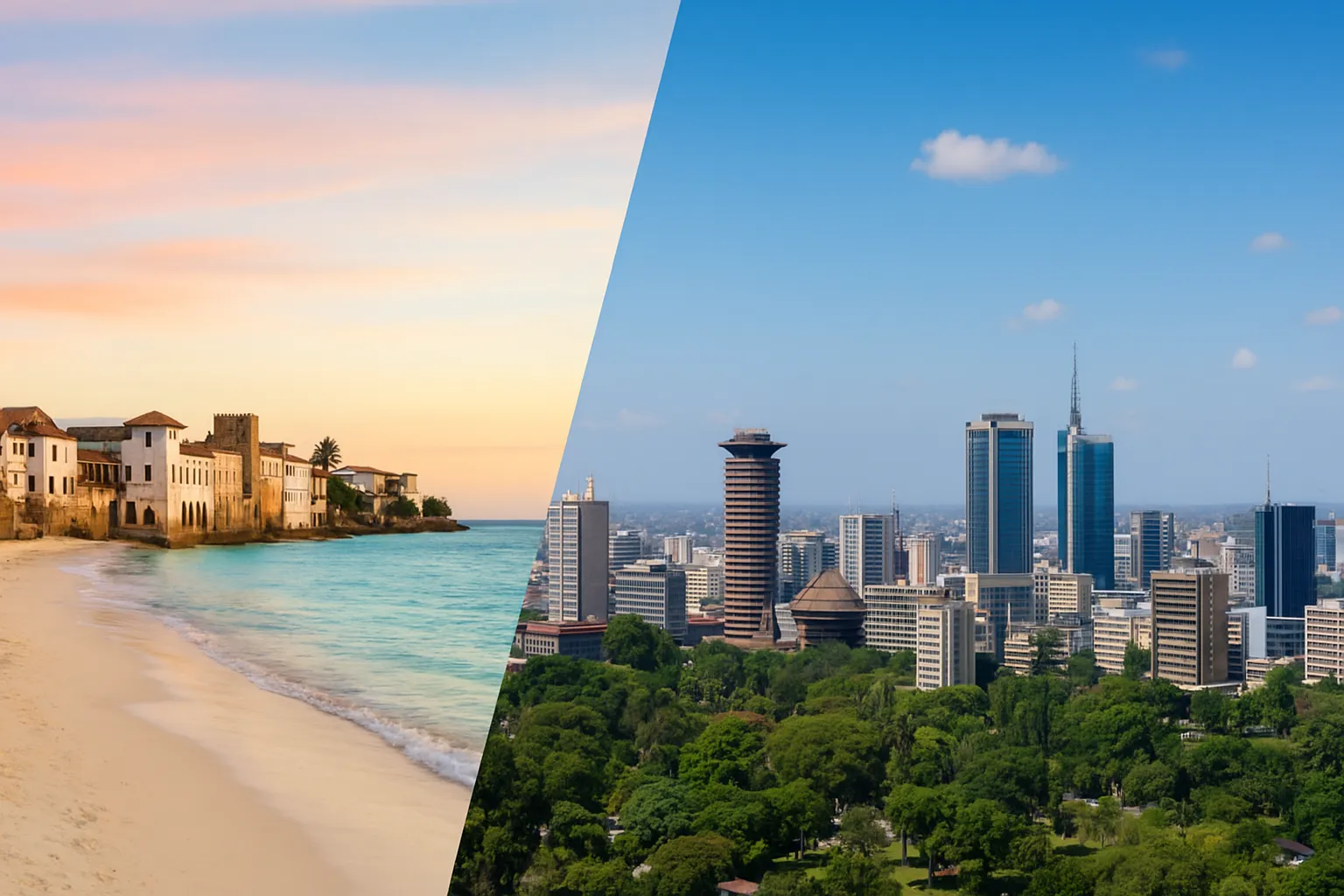
Imagine standing on Zanzibar’s pristine sands at dawn—the air warm, the ocean calm, and the narrow streets of Stone Town just starting to stir. Thousands of kilometers away, Nairobi’s skyline glows with the promise of business deals and wildlife safaris. In both places, the sound you can’t hear—but is reshaping the property market—is the constant ping of Airbnb booking alerts.
From coastal villas in Matemwe to serviced apartments in Westlands, the demand for short-term rentals is rewriting income potential for property owners. If you’ve been curious about the Airbnb rental demand in Zanzibar or the Nairobi Airbnb rental demand, the numbers and traveler behavior trends suggest that now is a prime moment to act. This isn’t speculation—it’s the reality of shifting tourism patterns, digital nomad growth, and evolving guest expectations.
Real Data, Real Demand: A Deep Dive into the Numbers
Zanzibar Snapshot
- Occupancy & ADR: Between June 2024 and May 2025, Zanzibar's average Airbnb occupancy hovered at 40%, with strong peaks in June and July.
- Annual Revenue per Listing: Median annual income ticks around $11,800, with the top-10% properties pulling in more than $5,778 monthly.
- Monthly Highs and Lows: Seasonal shifts are sharp—December brings top revenue, while May often marks the lowest.
- Submarket Gloss: In Mkunazini (urban west), typical listings earn ~$504/month; top-10% rake in $1,298+
- Luxury Heights: In Matemwe (north coast), ADR soars to $268, and even with 31% occupancy, top 10% can earn $8,902+ monthly.
Nairobi Breakdown
- Occupancy & ADR: Median occupancy between June 2024–May 2025 was 46%, with average daily rates around $44–$54.
- Annual Revenue: Typical annual income is around $4,150, with strong income growth of 11.1% year-on-year.
- Monthly Variations: Peak earnings arrive in December (~$721/month), sliding to ~$579 in low-season months like July and November.
- Market Scale: Nairobi hosts about 3,960 active listings in the city, with entire-home units making up 93%. One-bedrooms alone account for nearly 50% of listings.
Regional Comparison: Nairobi vs. Zanzibar
- Average occupancy: Zanzibar ~40%, Nairobi ~46%; ADR also favors Zanzibar in beach hotspots, while Nairobi wins for consistency.
- Annual revenue bracket: Both hover around $7,400 in some regional analyses—but Zanzibar peaks higher seasonally.
- Nairobi’s short-term rental surge has pushed urban rents up 10%, as more owners convert long-term units into nightly stays.
Airbnb Demand Trends You Can See
- Zanzibar: Honeymooners, divers, beach lovers prefer coastal stays in Matemwe or Stone Town. The taper into May spells opportunity—shoulder discounts convert lower-season vacays into bookings.
- Nairobi: Business travel, safari guests, and growing remote-work demand bring stability. Listings with Wi-Fi and workspace capture long-stay bookings—10.5% of Nairobi stays span 30+ nights.
Seasonal Patterns and How to Leverage Them
- Zanzibar peak demand: June–October (dry season), December holidays.
- Nairobi peak demand: June–September (safari season), November–December (conference season).
- Off-season strategy: Offer discounts, target domestic travelers, partner with tour operators.
How to Capture This Demand
Optimize your Airbnb listing for local appeal:
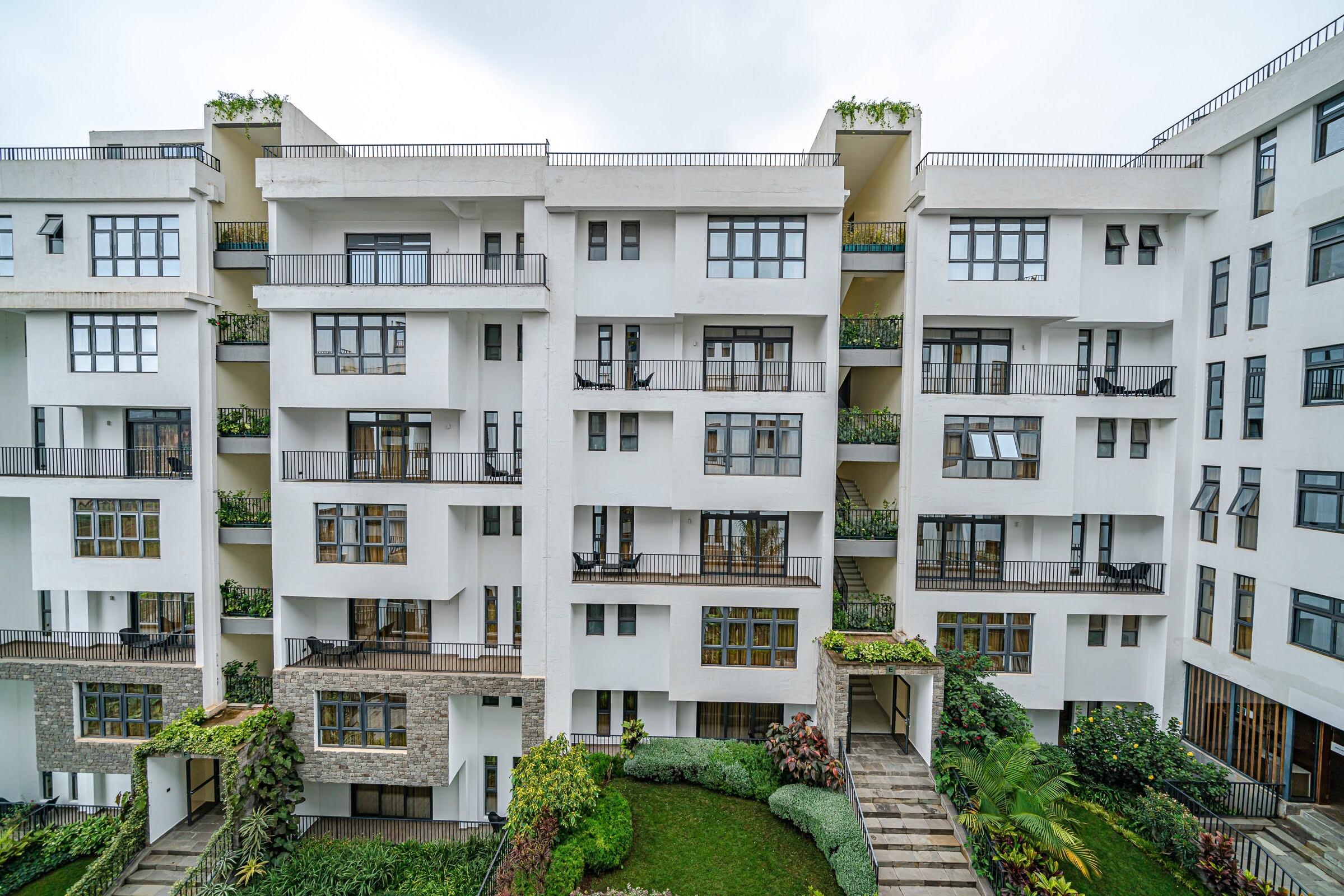
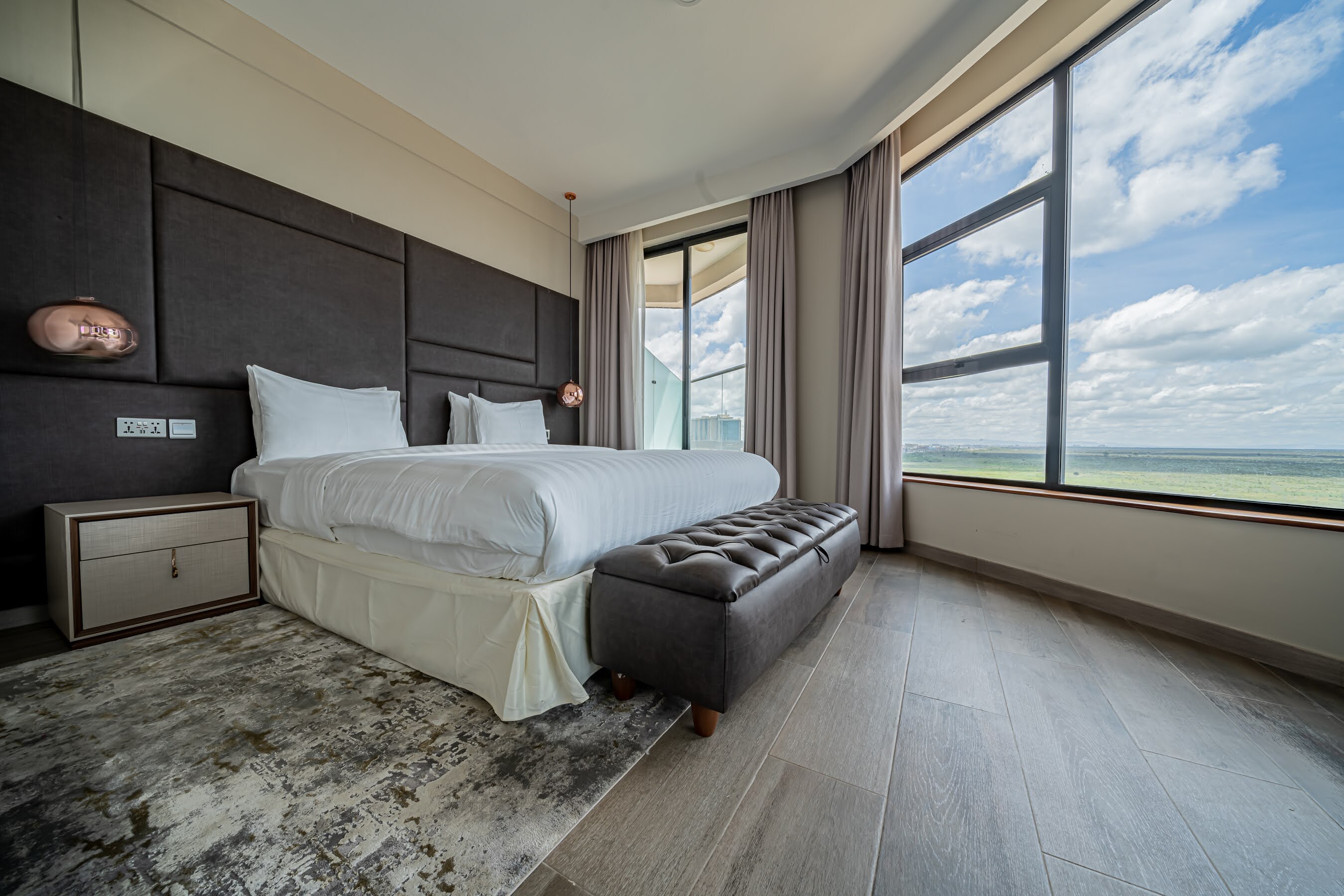
- Highlight Swahili architectural details, ocean views, or city skyline shots.
- Use high-resolution images showing both interior and surrounding attractions.
Offer amenities that matter locally:
- Zanzibar: Beach gear, mosquito nets, guided tour packages.
- Nairobi: Fast Wi-Fi, workspace, airport pick-up.
Leverage reviews and Superhost status to boost trust and ranking.
Dynamic pricing tools: AirDNA, Beyond Pricing, Wheelhouse—adjust for seasonality and local events.
Risk & Opportunity Considerations
- Regulatory environment: Check licensing rules; Nairobi has clearer urban rental frameworks; Zanzibar’s regulations vary by district.
- Competition: Rising host numbers—success now depends on differentiation, not just availability.
- Currency fluctuation: Can impact income if your primary expenses are in a different currency.
Final Word
If you’re considering entering the short-term rental market, Zanzibar and Nairobi aren’t just attractive—they’re strategic. The Airbnb rental demand in Zanzibar thrives on seasonal tourism highs, while Nairobi Airbnb rental demand benefits from consistent business travel and safaris. By understanding the rhythms of each market and tailoring your property to meet guest needs, you can secure a strong, sustainable income stream in either location—or both.
Frequently Asked Questions
- High-value beach tourism, honeymoon travel, and cultural events push occupancy above 70% during peak months.