Understanding the Kenyan Mortgage Landscape for Diaspora Buyers
For Kenyan diaspora buyers, understanding the mortgage landscape in Nairobi is crucial for making informed investment decisions. Navigating the local financial environment requires a comprehensive grasp of interest rates, remittance processes, and property costs. According to the Central Bank of Kenya (CBK), the average mortgage interest rate in Kenya is approximately 13.5% as of 2026. This rate can vary depending on the lender and the borrower’s financial profile, making it essential to shop around for the best terms.
Cost Breakdown for Diaspora Buyers in Nairobi
💰Mortgage Interest
Percentage/Amount13.5% (average)
DescriptionVaries by lender and borrower
💰Stamp Duty
Percentage/Amount4% of property value
DescriptionTax on property transactions
💰Legal Fees
Percentage/Amount1-2% of property value
DescriptionCovers legal and documentation
One of the primary considerations for diaspora buyers is managing remittances effectively. Sending money from the US to Kenya often involves transaction fees and fluctuating exchange rates, which can impact the overall cost of purchasing a property. The CBK’s exchange rate data indicates that the Kenyan Shilling has seen moderate fluctuations against the US Dollar, affecting the purchasing power of remittances.
When planning a property purchase, consider the additional costs beyond the mortgage. Stamp duty, a tax levied on property transactions, is set at 4% of the property value for urban areas like Nairobi, as noted by the Kenya Revenue Authority (KRA). Additionally, legal fees and valuation costs should be factored into the budget.
Rates on the Rehani network · Kenya
Live Rehani network quotes for a Kenya apartment in KES.
To make the process smoother, Rehani Soko offers tools to help diaspora buyers navigate the mortgage landscape. By using the mortgage calculator, you can estimate monthly payments and determine affordability. Moreover, Ask Hani provides answers to legal and financial questions, ensuring you have the necessary information to proceed confidently.
Understanding these elements will help diaspora buyers make informed decisions, ensuring their investment in Nairobi real estate is both strategic and rewarding.
Comparing Mortgage Products: Stanbic vs. Equity
Building a home in Kenya while living in the US is a profound step toward securing your family's future on home soil. For many in the diaspora, a clear process removes the uncertainty of international financing. When evaluating lenders, Stanbic Bank and Equity Bank frequently emerge as top choices for non-resident Kenyans looking to invest in Nairobi.
Stanbic vs. Equity Diaspora Mortgage Comparison
✨
Currency Options
KES, USD, GBP, EUR
Equity Bank Diaspora MortgageKES, USD, GBP, EUR
✨
Maximum Financing
Up to 80%
Equity Bank Diaspora MortgageUp to 70%
✨
Maximum Loan Tenure
Up to 20 Years
Equity Bank Diaspora MortgageUp to 15 Years
✨
US Credit Acceptance
Equifax, TransUnion accepted
Equity Bank Diaspora MortgageEquifax, Experian accepted
According to the Central Bank of Kenya (CBK), base lending rates directly impact local currency mortgages, which currently average between 13% and 15%. However, both Stanbic and Equity offer USD-denominated mortgages, allowing US-based earners to match their loan currency to their income and avoid exchange rate volatility. Market data consistently shows that choosing the right currency structure can save investors significant capital over a typical 15-year term.
Equity Bank is recognized for its accessible diaspora banking ecosystem, often financing up to 70% of the property value. Stanbic Bank, conversely, frequently appeals to buyers seeking higher financing limits, offering up to 80% financing for prime developments in neighborhoods like Kilimani and Westlands. Transaction patterns confirm that buyers prioritize lenders who seamlessly integrate US credit scores and diaspora remittances into their underwriting process.
Financing a Kenyan Home from the US: Navigating Remittances and Local Interest Rates in Nairobi
Navigating these specific banking requirements from abroad requires careful planning. You must ensure your KRA PIN is active and your US tax returns are organized. We highly recommend running your specific financial figures through our mortgage calculator to see how varying interest rates affect your monthly obligations. If you need clarity on which bank's terms align better with your US income profile or require help structuring your application, you can Ask Hani for personalized guidance. Selecting the right banking partner ensures your hard-earned dollars efficiently build your Nairobi dream.
Leveraging Remittances for Home Financing
For many Kenyans residing in the United States, remittances offer a viable pathway to home ownership back in Nairobi. Remittances play a crucial role in financing real estate purchases, acting as a bridge between aspirations and tangible property investments. According to the Central Bank of Kenya (CBK), remittances from the Kenyan diaspora reached an impressive $4 billion in 2025, underscoring their importance in the national economy.
One significant advantage of using remittances for home financing is the ability to reduce reliance on local interest rates, which can fluctuate significantly. As of October 2026, CBK reports that the average mortgage interest rate in Kenya stands at approximately 12.5%. By channeling remittances directly into property purchases, diaspora investors can mitigate the impact of these rates, thereby enhancing their purchasing power.
However, it's essential to approach remittance-based financing with a clear strategy. A structured plan ensures that funds are used effectively and align with market opportunities. According to Rehani Soko market intelligence, the property market in Nairobi continues to show robust growth, especially in areas like Westlands and Kilimani, which are popular for their amenities and proximity to business districts.
To streamline the process, consider using Rehani Soko's mortgage calculator to explore financing options. Additionally, engaging with Rehani Soko's AI assistant, Ask Hani can provide personalized insights into the most effective use of remittances in today's market.
Ultimately, leveraging remittances for home financing in Nairobi is not just about sending money; it's about making informed decisions that maximize your investment. By understanding the local market dynamics and employing strategic financial planning, diaspora investors can transform their dreams of home ownership into reality.
Rehani's Mortgage Network: Rates and Benefits
Navigating the Kenyan mortgage landscape from abroad can be a complex task, especially when trying to balance local interest rates with remittance strategies. Rehani Soko offers a comprehensive mortgage network designed to simplify this process for diaspora buyers. By leveraging partnerships with leading financial institutions in Nairobi, Rehani Soko provides access to competitive mortgage rates tailored to the unique needs of Kenyan expatriates.
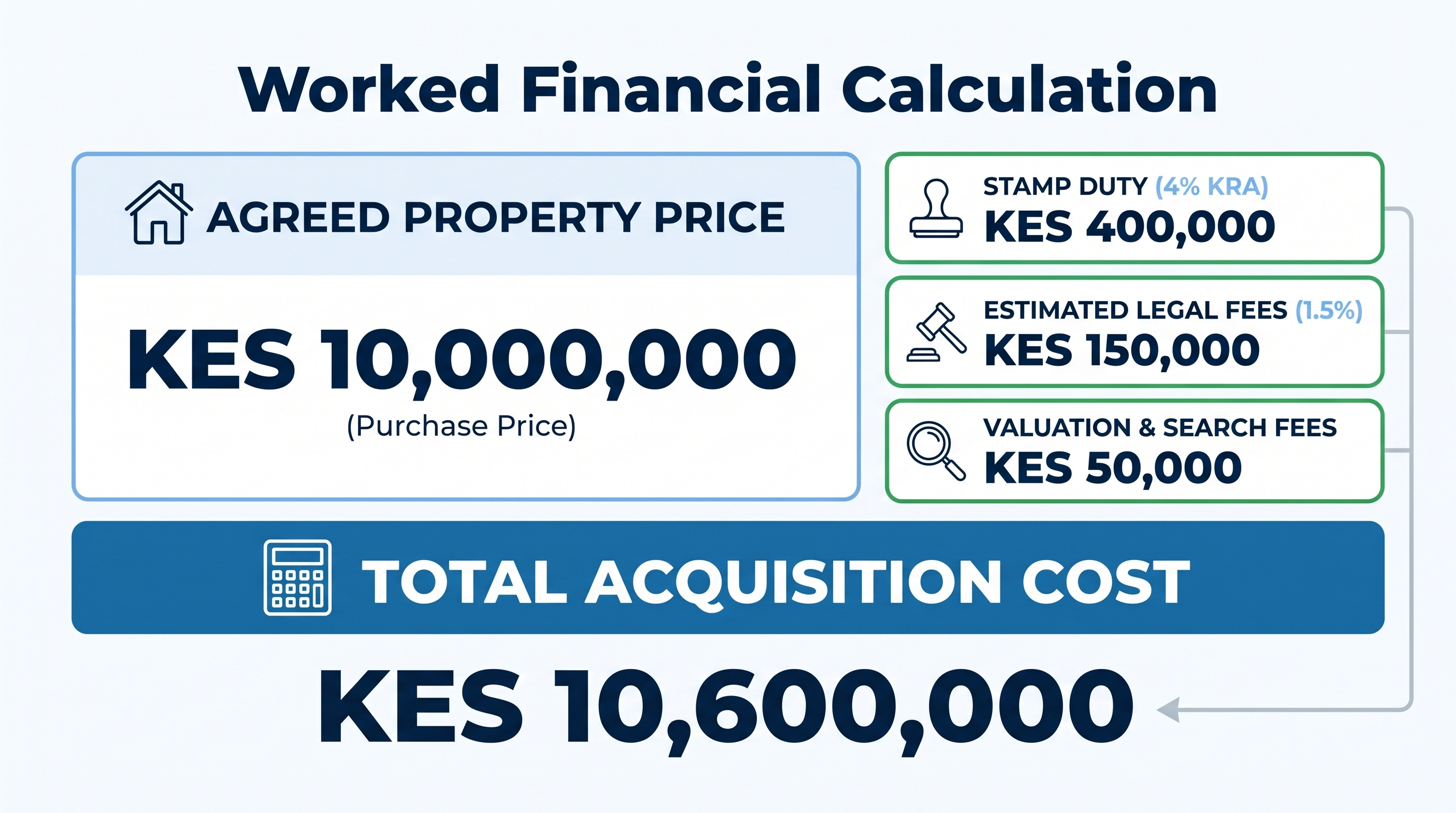
Home Financing via Remittances Cost Breakdown KES
💰Initial Deposit
Estimated Cost (KES)2,000,000
Notes20% of a 10 million KES property
💰Stamp Duty
Estimated Cost (KES)400,000
Notes4% of property value
💰Legal & Miscellaneous
Estimated Cost (KES)150,000
NotesEstimated legal fees
One of the standout features of Rehani's mortgage network is its competitive interest rates. According to the Central Bank of Kenya (CBK), local mortgage interest rates typically range from 11% to 14%. However, through strategic alliances, Rehani Soko often secures more favorable terms for its clients. This can result in significant savings over the life of a mortgage, making home ownership more accessible for those sending money from abroad.
Another key benefit is the flexibility in repayment terms. Rehani Soko understands the importance of accommodating the financial dynamics of the diaspora community. As such, they offer customized repayment plans that align with the cash flow patterns of overseas buyers, ensuring a clear process removes the uncertainty often associated with international property transactions.
In terms of practical support, Rehani Soko also provides resources to guide buyers through the legal and financial intricacies of purchasing property in Nairobi. For more detailed mortgage information or to use their mortgage calculator, visit Rehani Soko's mortgage page.
For those considering a purchase, browsing available properties in Nairobi can be a great first step. Rehani Soko's platform not only connects buyers with properties but also ensures that they have the necessary tools and knowledge to make informed decisions. This network is a valuable asset for anyone looking to invest in Nairobi's dynamic real estate market while residing overseas.
Economic Indicators and Their Impact on Mortgage Decisions
When considering financing a home in Nairobi from abroad, understanding the local economic indicators is crucial for making informed mortgage decisions. The Central Bank of Kenya (CBK) plays a pivotal role in setting the benchmark interest rates, which directly influence mortgage rates. As of the latest data, CBK maintains an interest rate of 7%, providing a relatively stable environment for potential buyers. This stability is essential for the diaspora looking to maximize their investment through predictable mortgage costs.
Additionally, the Kenyan shilling's exchange rate against the US dollar is a critical factor. According to the CBK, fluctuations in the exchange rate can impact the affordability of mortgage repayments for those sending remittances from the US. A stronger US dollar can increase the purchasing power of remittances, making it easier to manage monthly mortgage obligations.
Another key economic indicator is the inflation rate. According to the Kenya National Bureau of Statistics (KNBS), inflation in Kenya has averaged around 6% in recent years. High inflation can erode the value of money over time, affecting both the cost of living and the real value of mortgage repayments. Therefore, understanding these dynamics is crucial for diaspora buyers to anticipate future financial commitments and adjust their strategies accordingly.
For those exploring mortgage options, Rehani Soko offers a comprehensive mortgage calculator to simulate different scenarios based on current economic indicators. Additionally, Ask Hani can provide personalized insights into how these economic factors might impact your specific situation.
Understanding these economic indicators can empower potential buyers with the confidence needed to navigate the complexities of financing a home in Kenya. By leveraging tools and insights from Rehani Soko, investors can align their mortgage decisions with their financial goals and the broader economic landscape.
1. The Remittance Landscape and Financing Options
When investing from the US, you generally have two main paths: funding the purchase through direct cash remittances or securing a local Kenyan mortgage. According to Rehani Soko market intelligence, both avenues require careful consideration of exchange rates and local borrowing costs.
Economic Indicators Impact on Mortgages Pros and Cons
✓ Pros
Interest Rates
Predictable mortgage costs
Exchange Rates
Increased purchasing power
Inflation Rate
Fixed-rate mortgages hedge against
✗ Cons
Interest Rates
Potential for rate hikes
Exchange Rates
Volatility can affect affordability
Inflation Rate
Erodes real value of money over time
Because you earn in USD and buy in KES, currency fluctuations can significantly impact your purchasing power. The CBK regulates local interest rates, which directly affect the cost of borrowing if you choose a Kenyan mortgage.
2. Nairobi Area Comparison and Market Yields
Choosing the right neighborhood in Nairobi depends entirely on your investment goals. Market data consistently shows that different suburbs cater to distinct tenant demographics and lifestyle needs.
If you are looking for immediate rental returns, high-density commercial hubs are highly attractive. Conversely, if you are purchasing a future home for your family, quieter, expansive suburbs are more appropriate. According to Rehani Soko property analytics, the following areas represent key investment zones.
3. Purchase Costs and Financial Calculation
Budgeting accurately is the most critical step in your property journey. Beyond the sticker price of the home, buyers must account for statutory taxes and professional fees. According to the Kenya Revenue Authority (KRA), stamp duty for properties located within urban centers like Nairobi is set at 4% of the property's valuation.
Diaspora Financing Options Advantages and Drawbacks
Primary DrawbackSubject to CBK interest rate fluctuations
✨
US Personal Loan
Often features lower comparative interest rates
Primary DrawbackShorter repayment periods and strict limits
Worked Financial Calculation:
4. The Purchase Timeline and Due Diligence
Transaction patterns confirm that thorough due diligence protects your capital and prevents costly legal disputes. When buying from abroad, you must ensure that the property has a clean title and that the developer has adhered to all local regulations.
According to the National Construction Authority (NCA), verifying that a building meets structural and zoning standards is a mandatory step before transferring any funds.
5. Actionable Next Steps
Ready to turn your diaspora investment goals into reality? Use our verified tools to explore the market, calculate your costs, and connect with trusted professionals.
5 Key Takeaways
Track Exchange Rates: Monitor US Dollar to Kenyan Shilling trends to maximize the purchasing power of your remittances.
Understand Local Rates: According to the Central Bank of Kenya (CBK), local interest rates directly impact your diaspora mortgage costs.
Verify Tax Obligations: Always account for Kenya Revenue Authority (KRA) stamp duty requirements in your final budget.
Compare Financing: Carefully evaluate US-based financing against local Kenyan diaspora mortgages.
Stay Connected: Use trusted, data-backed platforms to manage your property search from across the globe.
Important Disclaimer: The information provided in this guide is for educational purposes only and does not constitute financial, legal, or tax advice. Interest rates and tax policies change. Always consult with certified financial advisors before making real estate investments.
For Kenyans living in the United States, financing a property in Nairobi typically falls into three main categories: cash purchases using accumulated remittances, local Kenyan mortgages, or US-based personal loans. According to Rehani Soko market intelligence, cash purchases funded through incremental remittances remain highly popular, as they avoid local interest rates entirely. However, if you prefer to retain your liquidity, securing a mortgage through a Kenyan bank is a viable route. The Central Bank of Kenya (CBK) regulates these local financial institutions, many of which now offer specialized diaspora mortgage products. These products allow you to use your US income to qualify for a Kenyan loan. When choosing this path, you must carefully weigh the local interest rates against the potential rental income of the property. Using a dedicated [mortgage calculator](https://www.rehanisoko.com/mortgage) helps you project these monthly costs accurately.