
Back to Newsroom 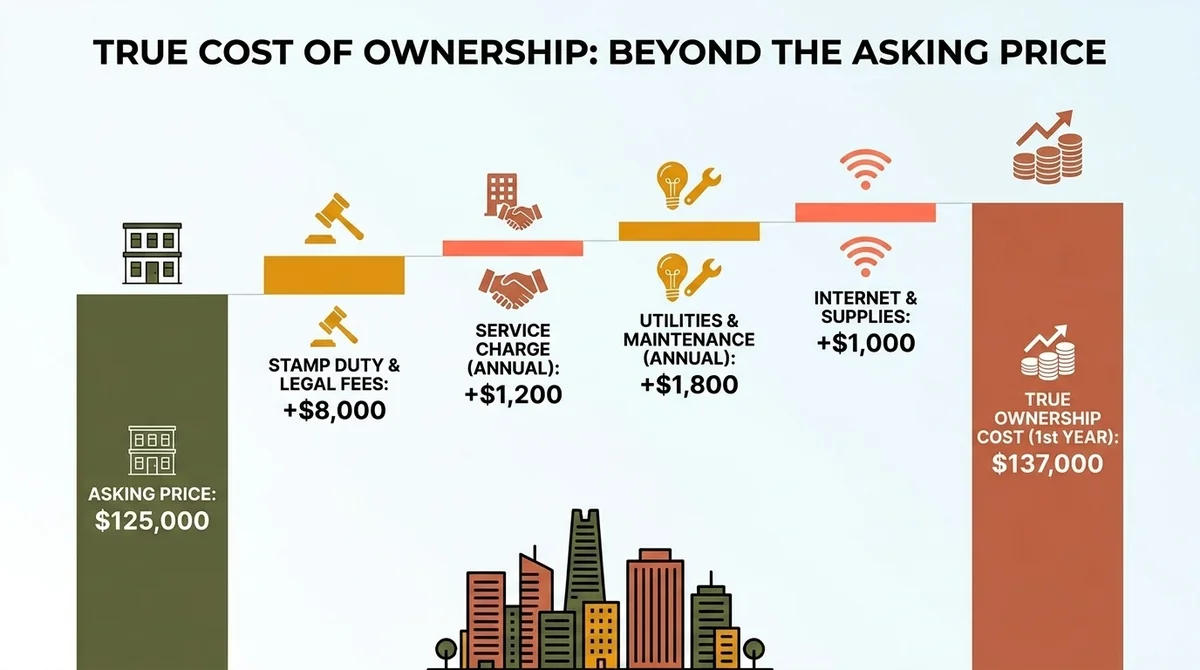

The Reality of Nairobi's Apartment Glut: What It Means for Buyers
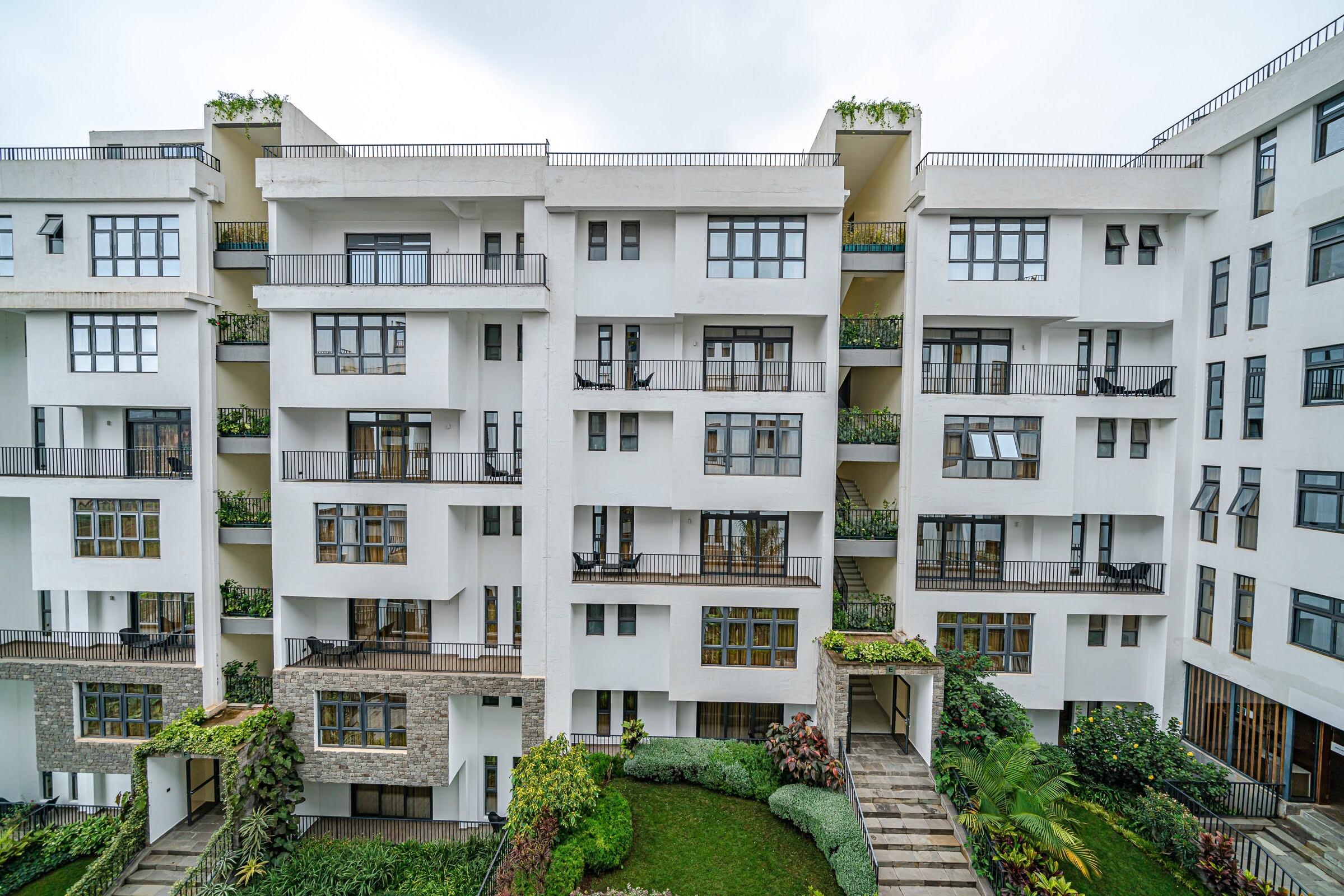
For many Kenyans living abroad, owning a piece of home is a deeply personal milestone. However, stepping into Nairobi's current property scene requires careful navigation. A drive through Kilimani, Kileleshwa, or Lavington reveals a skyline dominated by cranes and high-rise developments. This rapid expansion has created an oversupplied apartment market, leaving buyers wondering how to identify genuine value among endless concrete towers.
Initial Nairobi Market Assessment Checklist
✨
Overall Unit Supply
Highly Saturated
Direct Buyer ImpactIncreased negotiating power and choice
✨
Listing Authenticity
Mixed Quality
Direct Buyer ImpactRequires strict verification before viewing
✨
Diaspora Participation
Steadily Growing
Direct Buyer ImpactHigh need for remote due diligence tools
According to the Kenya National Bureau of Statistics (KNBS), the construction sector continues to expand steadily, directly contributing to this surge in residential units. While this abundance gives buyers negotiating power, it also introduces risks regarding build quality and long-term value. Rehani Soko market intelligence indicates that while supply is high, premium units with proper amenities and reliable infrastructure remain highly sought after.
The key to succeeding here is knowing how to filter the noise. Market data consistently shows that properties developed by established firms with clear track records maintain their value better than rushed projects. Transaction patterns confirm that buyers who prioritize thorough due diligence avoid the hidden pitfalls of oversupplied zones. When you know exactly what to look for, a clear process removes the uncertainty of buying from afar.
Understanding the financial commitments beyond the asking price is essential for securing an authentic deal. Below is a breakdown of typical costs you should expect when purchasing.
Visual summary: The comic series below walks through the story and ideas in this article.
📖
Page 1 of 5Nairobi Returns: The Kilimani Illusion
Before you commit, take time to carefully browse vetted properties in Nairobi that meet strict quality standards. If you are unsure about the legal fees or tax implications of a specific unit, you can always consult Ask Hani for immediate, accurate guidance on your investment journey back home.
Spotting Authentic Deals vs. 'Ghost' Listings in Kilimani and Kileleshwa
Navigating the dense property markets of Kilimani and Kileleshwa requires vigilance. As new developments crowd the skyline, the volume of digital property advertisements has surged. However, Rehani Soko market intelligence indicates a concerning trend: a notable percentage of online advertisements in these specific neighborhoods are "ghost" listings—properties that have already been sold, do not exist, or feature artificially deflated prices to attract inquiries.
Standard Apartment Purchase Cost Breakdown in Nairobi
💰Stamp Duty
Estimated CostVaries by location
Paid ToKenya Revenue Authority (KRA)
💰Legal Fees
Estimated CostNegotiable percentage
Paid ToBuyer's Advocate
💰Valuation Fees
Estimated CostVaries by property size
Paid ToRegistered Valuer
💰Agency Fees
Estimated CostOften covered by seller
Paid ToReal Estate Agent
For buyers, especially Kenyans in the diaspora looking to secure a piece of home, this creates unnecessary frustration. Fortunately, a clear process removes the uncertainty. When evaluating apartments in Kilimani or Kileleshwa, market data consistently shows that authentic deals share specific, verifiable characteristics that separate them from bait-and-switch tactics.
Transaction patterns confirm that buyers who insist on immediate verification save both time and money. If an agent hesitates to provide the exact building name or claims the specific unit "just sold" but offers a more expensive alternative, proceed with extreme caution.
For expatriates and diaspora investors, the distance makes physical verification challenging, but building a connection to your homeland should not be a gamble. You can safely verify property details and ask complex legal questions directly through Ask Hani, our AI assistant. By cross-referencing listings with verified properties in Nairobi on Rehani Soko, you ensure your investment journey remains secure, transparent, and grounded in reality.
Leveraging Rehani's Pricing Model to Avoid Overpaying
In the bustling Nairobi apartment market, characterized by an oversupply, ensuring you pay the right price is paramount. Rehani Soko's pricing model offers a clear process that removes the uncertainty often associated with property transactions. By utilizing comprehensive market data, this model helps potential buyers identify authentic deals and avoid overpaying for properties, especially in high-demand areas like Kilimani and Kileleshwa.
According to Rehani Soko property analytics, the average price per square meter in Nairobi varies significantly across neighborhoods. For instance, our machine learning model, trained on 3,664 listings, indicates a median apartment price of KES 8,000,000 across Nairobi. This variance underscores the importance of using accurate data to make informed buying decisions. Rehani's model continuously analyzes market trends, ensuring that buyers have access to the latest pricing insights. This analytical approach is crucial for anyone looking to make a confident investment in Nairobi's real estate landscape.
To further illustrate the cost implications, consider the breakdown of expenses associated with purchasing an apartment in Nairobi. Beyond the purchase price, buyers must account for legal fees, stamp duty, and potential renovation costs. According to the Kenya Revenue Authority (KRA), stamp duty is a standard percentage of the property's value. Factoring in these costs early in the buying process can prevent unexpected financial burdens later.
For those eager to explore the market further, Rehani Soko provides valuable resources. Use the mortgage calculator to understand your financing options, and browse properties to find listings that fit your criteria. By leveraging these tools, you can navigate Nairobi's apartment market with confidence and precision, ensuring that your investment aligns with both your financial capabilities and long-term goals.
Key Negotiating Levers: Days on Market and Proximity Amenities
For Kenyans abroad looking to secure a piece of home, understanding local market dynamics is crucial. A clear process removes the uncertainty of buying from afar, allowing you to invest with confidence. According to Rehani Soko market intelligence, our data shows that 'days on market' is a top feature influencing apartment prices in Nairobi. This extended listing period is your primary bargaining chip. When a developer or seller holds inventory for over four months, their maintenance and financing costs accumulate, making them highly receptive to offers below the initial asking price.
Identifying Authentic vs Ghost Listings in Nairobi
✨
Pricing
Aligns with current Rehani Soko neighborhood averages
Ghost ListingUnrealistically low compared to the median price of KES 8,000,000
✨
Visuals
Current, high-resolution photos with local context visible
Ghost ListingGeneric, heavily edited renders or repeated stock images
✨
Agent Behavior
Readily provides viewing access and exact property location
Ghost ListingPushes alternative properties when you ask for a viewing
✨
Documentation
Ready to share title deed copies and National Construction Authority (NCA) approvals
Ghost ListingDelays or refuses to provide verification documents
The second negotiating tool is the reality of proximity amenities. While many developers advertise their units as being "close to major malls," Rehani Soko data shows that distance to the nearest school and police station are among the top predictive features for property value. You can use this specific data point to negotiate the purchase price downward if the apartment lacks immediate, walkable access to these daily conveniences.
Market data consistently shows that buyers who combine these two factors—targeting stale listings with slightly exaggerated amenity claims—can secure excellent purchase terms. If you are unsure how to evaluate a property's true distance to essential amenities or its listing history, you can consult Ask Hani to get instant, data-backed answers on specific neighborhoods.
Additionally, as you explore properties in Nairobi, track the listing dates carefully. A property sitting empty is a financial drain for the seller, but it represents a strategic entry point for a well-informed buyer ready to build their future back home.
Diaspora Buying Power: Securing a Nairobi Base from Abroad
For Kenyans living abroad, the desire to own a piece of home is deeply personal. Building your foundation in Kenya brings a profound sense of pride and belonging, but navigating the market from a distance often brings anxiety. Fortunately, a clear process removes the uncertainty of cross-border property investment. Market data consistently shows that well-informed diaspora investors who use verified platforms avoid the common pitfalls of off-plan scams.
According to the Central Bank of Kenya (CBK), diaspora remittances continue to be a primary engine for Nairobi's real estate sector. Foreign currency earners currently hold significant purchasing power in the oversupplied apartment market. Rehani Soko market intelligence indicates that diaspora buyers who negotiate effectively in neighborhoods like Kilimani can secure discounts on listed prices, making this an opportune moment to invest. Your dream of returning to a secure, modern apartment in Nairobi is entirely within reach.
However, securing a Nairobi base requires strict financial planning. Buying from abroad means you must account for specific transaction costs, including legal fees and taxes mandated by the Kenya Revenue Authority (KRA). Knowing these figures upfront prevents unexpected financial strain before closing.
Structuring your financing correctly is just as important as finding the right property. Rather than draining your foreign savings all at once, you can get a mortgage quote designed specifically for diaspora income profiles. This allows you to maintain liquidity while securing your asset.
If you are unsure about the documentation needed to buy property while living overseas, such as assigning power of attorney or updating your tax details, you can consult Ask Hani for immediate, accurate guidance on Kenyan real estate compliance.
1. Understanding the True Costs
Before committing to a purchase, it is vital to understand the complete financial picture. Market data consistently shows that many buyers focus solely on the developer's asking price, forgetting the mandatory closing costs that accompany property acquisition in Kenya.
Impact of Days on Market on Negotiation Power
✨
Short Time on Market
Low
Average Negotiated DiscountMinimal Discount
✨
46 - 90 Days
Moderate
Average Negotiated Discount4% - 7%
✨
91 - 150+ Days
High
Average Negotiated Discount8% - 12%
Worked Financial Calculation:
Let us assume you are purchasing a ready apartment priced at KES 10,000,000. According to the Kenya Revenue Authority (KRA), properties within urban municipalities attract a 4% stamp duty, which adds KES 400,000 to your expenses. Legal fees typically average 1.5%, adding KES 150,000. Finally, valuation and agency fees might cost an additional KES 100,000. Therefore, your total acquisition cost will be KES 10,650,000.
2. Comparing Nairobi's Apartment Hubs
Not all neighborhoods offer the same value proposition. Rehani Soko market intelligence indicates that while some areas suffer from heavy oversupply, others maintain strong tenant demand. Choosing the right location depends entirely on whether you intend to live in the property upon your return or rent it out for income.
Estimated Cost Breakdown for KES 10,000,000 Apartment
💰Property Purchase Price
Estimated Cost (KES)10,000,000
Percentage/NotesBase negotiated price
💰KRA Stamp Duty
Estimated Cost (KES)400,000
Percentage/Notes4% for urban Nairobi areas
💰Legal & Conveyancing Fees
Estimated Cost (KES)150,000
Percentage/NotesApprox. 1.5% of purchase price
💰Valuation & Agency Fees
Estimated Cost (KES)50,000
Percentage/NotesVaries by service provider
3. The Purchase Timeline
Patience is a necessary virtue when buying real estate in Kenya. Transaction patterns confirm that attempting to rush the process often leads to costly mistakes, particularly regarding title verification.
4. Verifying Authenticity
In an oversupplied market, protecting your hard-earned money requires strict verification. According to Rehani Soko property analytics, buyers who skip independent structural assessments frequently face maintenance issues within the first year of ownership. Always ensure the developer has complied with local building standards.
Estimated Purchase Costs for KES 10,000,000 Apartment
💰Base Property Price
Estimated Percentage100%
Estimated Cost (KES)10,000,000
💰Stamp Duty (KRA)
Estimated Percentage4% (Urban)
Estimated Cost (KES)400,000
💰Legal Fees
Estimated Percentage1.5%
Estimated Cost (KES)150,000
💰Valuation & Agency
Estimated Percentage1%
Estimated Cost (KES)100,000
Visual summary: The classroom comic below walks through the concepts in this article.
📖
Page 1 of 2Hani Explains It
Actionable Next Steps
Ready to start your journey toward owning a piece of home?
- Explore verified properties in Nairobi or browse all properties across our network.
- Have legal or process questions? Consult our AI assistant, Ask Hani.
- Planning to finance your purchase? Use our mortgage calculator to estimate your monthly payments.
- Ready to secure financing? Get a personalized quote at https://www.rehanisoko.com/mortgage/get-quote.
5 Key Takeaways
- Always verify developer credentials and past projects through the National Construction Authority (NCA).
- Focus on neighborhoods where Rehani Soko data shows steady rental demand rather than just high supply.
- Look past cosmetic finishes to inspect structural integrity and utility connections.
- Calculate all closing costs upfront, including the Kenya Revenue Authority (KRA) stamp duty.
- Filter out unverified listings by using trusted, data-backed platforms.
Important Disclaimer: The information provided in this article is for educational purposes only and does not constitute financial, legal, or investment advice. Nairobi's property market fluctuates, and buyers should conduct independent due diligence and consult registered professionals before making any financial commitments.
Related Resources
Further Reading
Frequently Asked Questions
- Navigating the Nairobi apartment market from abroad requires a structured approach to avoid common pitfalls associated with oversupplied areas like Kilimani and Kileleshwa. For Kenyans in the diaspora looking to secure a piece of home, the key is relying on verified data rather than emotional appeals. Begin by working exclusively with vetted professionals who can conduct physical site visits on your behalf. According to Rehani Soko property analytics, apartments in high-density zones often face prolonged vacancy periods if they lack unique amenities. Therefore, a clear process removes the uncertainty: demand official documentation, such as National Construction Authority (NCA) approvals and clear title deeds, before committing funds. By centralizing your search through trusted platforms and insisting on independent legal verification, you can confidently identify authentic deals that offer genuine value and long-term security.