
Back to Newsroom 
Navigating Nairobi's Apartment Boom: Why 8 Million KES is Just the Starting Point
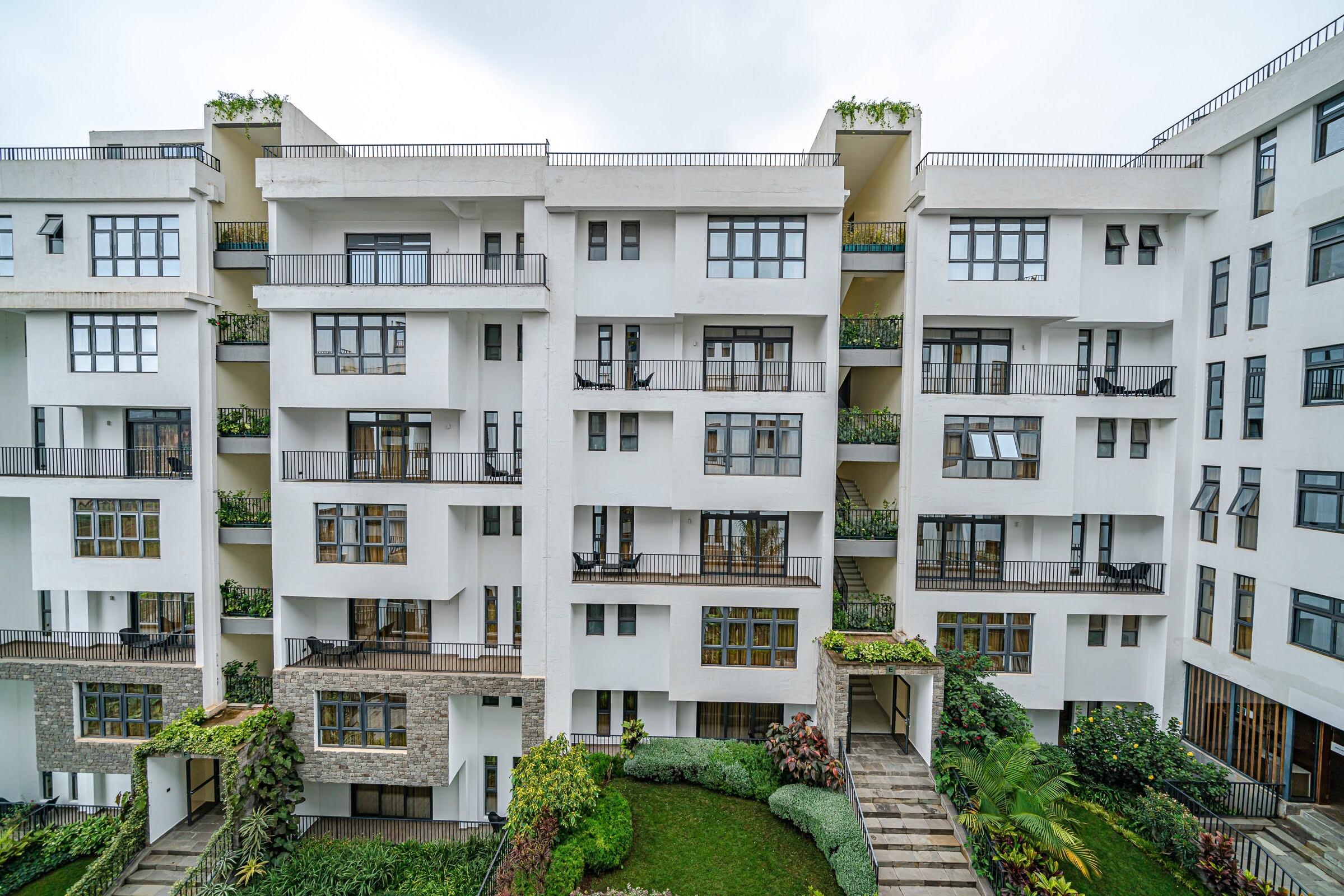
As Nairobi's skyline continues to evolve, first-time buyers face a burgeoning apartment market that presents both opportunities and challenges. While 8 million KES is often touted as a starting budget for purchasing an apartment, it's crucial to understand that this figure merely scratches the surface of what you might need. The real estate landscape in Nairobi is dynamic, and a clear process removes the uncertainty from making such a significant investment.
Rates on the Rehani network · Kenya
Live Rehani network quotes for a Kenya apartment in KES.
Affordable · Affordable Housing (KES)
Stanbic Kenya
Est. payment
KES 67,081
/ month
Rate
8.99%
Term
25.0 yrs
Down
0.0%
Ordinary Home Loan (KES)
Stanbic Kenya
Est. payment
KES 102,881
/ month
Rate
16.5%
Term
20.0 yrs
Down
10.0%
According to the Kenya National Bureau of Statistics (KNBS), Nairobi has seen a population growth that puts pressure on housing demand, driving prices up. Consequently, buyers need to carefully evaluate their options to ensure they are making informed decisions. Rehani Soko market data shows that the average cost of apartments in prime areas like Kilimani and Westlands often exceeds this baseline, with prices reaching as high as 15 million KES depending on size and amenities.
For those considering a purchase, understanding the complete financial picture is crucial. Beyond the purchase price, additional costs such as stamp duty, legal fees, and home insurance must be factored into your budget. The Central Bank of Kenya (CBK) indicates that interest rates on mortgages can significantly affect your total expenditure, making it essential to shop around for the best mortgage deals.
Visual summary: The comic series below walks through the story and ideas in this article.
📖
Page 1 of 5Sifting Through the Concrete Jungle
When navigating this complex market, leverage the resources available on platforms like Rehani Soko to compare properties effectively. For more personalized assistance, consider using Ask Hani for legal and financial insights. Additionally, you can explore mortgage options to find a plan that aligns with your financial goals.
Ultimately, while 8 million KES may be a starting point, a comprehensive understanding of the full financial landscape will empower you to make a confident and informed decision in Nairobi's thriving real estate market.
Beyond the Glossy Brochures: How to Audit a Developer's Track Record
In the bustling real estate market of Nairobi, where new apartment complexes seem to sprout overnight, discerning first-time buyers must look beyond the glossy brochures to truly understand a developer's reliability. A clear process removes the uncertainty associated with such significant investments. Here are strategic steps to evaluate a developer's track record effectively.
Estimated Additional Costs for Apartment Purchase
💰Stamp Duty
Percentage/Amount4% of property value
DescriptionA tax on the legal recognition of documents
💰Legal Fees
Percentage/Amount1.5% of property value
DescriptionFees for legal services in property acquisition
💰Home Insurance
Percentage/AmountVariable
DescriptionProtection against potential damages
First, it's essential to examine the developer's historical performance. According to Rehani Soko market data, developers with a consistent delivery record tend to have higher customer satisfaction rates and fewer delays. Start by checking completed projects to assess whether they were delivered on time and within budget. This can be confirmed through local community feedback or real estate forums.
Next, scrutinize the developer's financial health. Reliable developers usually have stable financial backing, which minimizes the risk of project abandonment. Rehani Soko data shows that well-funded developers often complete projects even during market downturns. Request financial statements or seek information from the Kenya National Bureau of Statistics (KNBS) for insights into the developer's financial stability.
Another critical factor is compliance with local construction standards. The National Construction Authority (NCA) provides a registry of licensed contractors, ensuring that developers adhere to national construction standards. Verify that the developer is registered with the NCA and check for any past violations or disputes.
To aid in your evaluation, here's a timeline to guide your audit process:
By following these steps, you can make an informed decision when selecting a developer. For more personalized assistance, consider using the Ask Hani tool or explore properties in Nairobi to find your perfect home.
Square Footage and School Zones: The Hidden Metrics That Protect Your Resale Value
Many first-time buyers get distracted by imported fixtures and rooftop amenities, missing the fundamental drivers of long-term property value. A clear process removes the uncertainty: you must rigorously evaluate functional living space and the surrounding neighborhood ecosystem. For those building a future back home in Kenya, ensuring your property appeals to established families is how you protect your wealth and maintain a meaningful connection to your roots.
According to Rehani Soko property analytics, two-bedroom apartments offering at least 90 square meters of functional living space command significantly better resale values than the increasingly common 70-square-meter micro-units flooding the market. Families need room to breathe, and cramped layouts with poorly designed kitchens quickly lose their appeal on the secondary market. You are not just buying a floor plan; you are securing a family's daily comfort.
Equally critical is the neighborhood's educational infrastructure. Rehani Soko market intelligence indicates that apartments located within a 3-kilometer radius of highly rated schools in neighborhoods like Kilimani, Lavington, and Kileleshwa experience noticeably lower tenant turnover. When you browse properties in Nairobi, prioritize this proximity. Families will always pay a premium to reduce their children's morning commute in Nairobi traffic.
Market data consistently shows that properties designed with families in mind weather economic fluctuations far better than speculative studio builds. If you have questions about which neighborhoods currently offer the best balance of space and school access, you can always Ask Hani to help filter your options. Focusing on these practical metrics ensures your asset remains highly desirable for decades to come.
Securing the Bag: Navigating Kenya's 16.5% Lending Rates and Affordable Housing Options
In the dynamic landscape of Nairobi's real estate market, first-time buyers face the challenge of securing affordable housing amidst high lending rates. According to the Central Bank of Kenya, the current average lending rate stands at approximately 16.5%, a significant consideration for those planning to finance their property purchase through a mortgage. This necessitates a strategic approach to manage costs effectively while exploring viable housing options.
Timeline for Auditing a Developer's Track Record
1
Research Developer's History
Review past projects and delivery timelines
Estimated Timeframe1-2 weeks
2
Financial Health Assessment
Analyze financial statements and market data
Estimated Timeframe1 week
3
Compliance Verification
Check NCA registration and compliance records
Estimated Timeframe3-5 days
One of the keys to navigating these high lending rates is to explore affordable housing projects, which offer a promising alternative. These projects often come with government incentives and lower entry costs, making them more accessible to first-time buyers. For instance, the Kenyan government's Affordable Housing Programme aims to deliver 500,000 housing units, with priority given to lower and middle-income earners.
To better understand the financial implications, let's consider a typical scenario. If you're purchasing an apartment priced at 8 million KES, the initial down payment might be around 20%, translating to 1.6 million KES. With the prevailing interest rates, the monthly mortgage repayment could significantly impact your budget. Therefore, it's crucial to utilize tools like the mortgage calculator on Rehani Soko to get a clearer picture of your potential financial commitments.
For those looking to make informed decisions, Rehani Soko provides an extensive platform to browse properties across Nairobi, offering insights into different neighborhoods and price ranges. By understanding the financial landscape and leveraging available resources, first-time buyers can confidently navigate the market, ensuring they secure a property that meets their needs without overextending their finances.
Remote Due Diligence: A Diaspora Buyer's Guide to Vetting Nairobi Properties from Afar
As a member of the diaspora considering investing in Nairobi's burgeoning apartment market, conducting due diligence remotely can be both a challenge and an opportunity. With the right approach, you can navigate this process confidently and make informed decisions from afar.
Firstly, understanding the market dynamics is crucial. According to Rehani Soko market intelligence, Nairobi has seen a significant increase in apartment listings, driven by urbanization and a growing middle class. This expansion means more options but also requires careful vetting to ensure you're making a sound investment.
To begin, utilize digital platforms like Rehani Soko to explore available properties. These platforms provide comprehensive insights into property prices, rental yields, and market trends. Additionally, Rehani Soko's property analytics can help you gauge potential returns on investment, ensuring you're not just buying a property but making a strategic financial decision.
Engaging local professionals is another essential step. Consider hiring a reputable real estate agent who can provide on-the-ground insights and facilitate viewings. Additionally, using services like Ask Hani can assist in answering legal or logistical questions, ensuring you're aware of all necessary procedures and regulations.
When vetting properties, verify the developer's credentials and past projects. According to the National Construction Authority (NCA), checking contractor registration and compliance with construction standards is vital. This ensures the property is built to high standards, protecting your investment.
By following this timeline and leveraging the right resources, you can confidently navigate the Nairobi property market from afar. Remember, a clear process removes the uncertainty, allowing you to make informed decisions that align with your financial goals.
Further Reading
Pros and Cons of Family-Centric vs. Micro-Apartments
✓ Pros
90sqm+ Near Schools
High tenant retention and steady demand
70sqm Micro-Unit
Lower entry price point for beginners
Properties Outside School Zones
Quieter environments, often larger plots
✗ Cons
90sqm+ Near Schools
Higher initial purchase price • Excellent for growing families
70sqm Micro-Unit
High tenant turnover and cramped living • Limited to young singles or couples
Properties Outside School Zones
Longer morning commutes for children • Moderate, highly dependent on pricing
Visual summary: The classroom comic below walks through the concepts in this article.
📖
Page 1 of 2Hani Explains It
Frequently Asked Questions
- First-time buyers in Nairobi should start by clearly defining their budget. According to the Central Bank of Kenya, understanding interest rates for mortgages is crucial, as they directly affect monthly payments. Location is another key factor; proximity to work, schools, and amenities can significantly impact daily life. Buyers should also consider the apartment's potential for future appreciation. Rehani Soko data shows that areas like Kilimani and Westlands have seen consistent price increases, offering promising investment potential. It's important to investigate the developer's reputation; checking their history of completed projects can provide insight into their reliability. Finally, buyers should utilize platforms like Rehani Soko to access comprehensive listings and market insights, making informed decisions easier and more efficient.