Back to Newsroom 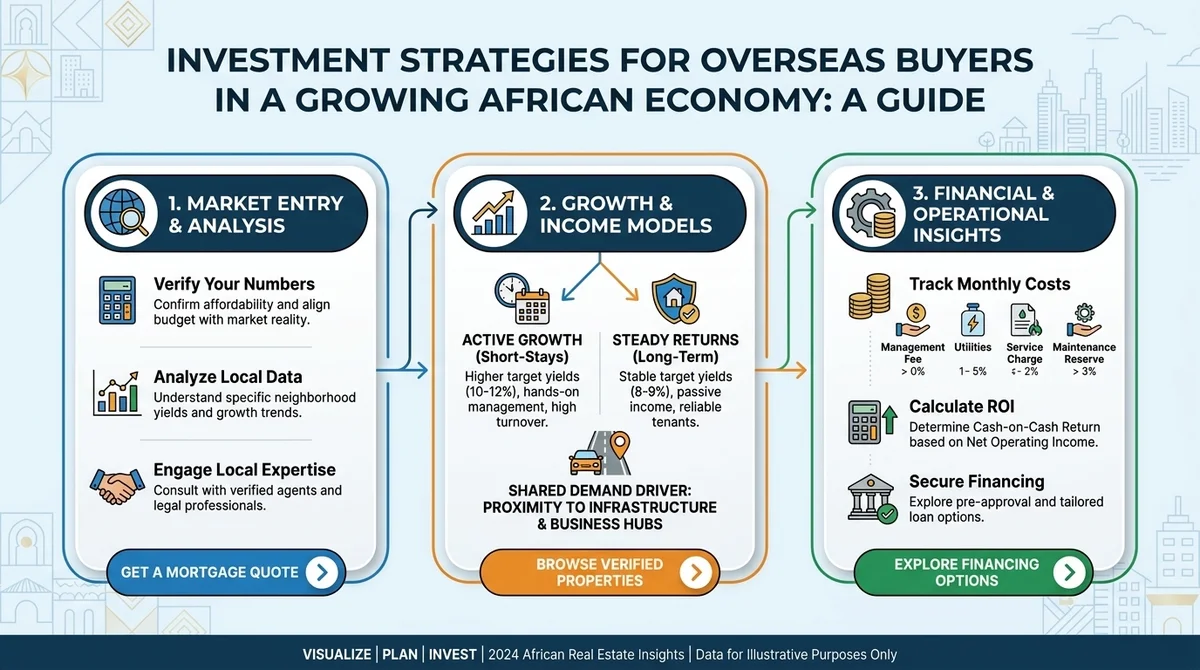
Understanding Uganda's 5.5% Remittance Contraction
For many Ugandans living abroad, sending money back home is more than a financial transaction; it is a profound expression of pride and a tangible connection to our roots. We dream of laying bricks in our motherland, securing a future for our families, and eventually returning to a home we own. However, recent global economic shifts are challenging that dream. If you are feeling the pressure of inflation in your host country while trying to fund a project back home, I remember when I felt the same way, the anxiety is completely normal when global economic pressures tighten your budget.
Pros and Cons of Diaspora Investment Shifts During a Remittance Squeeze
✓ Pros
Buying smaller properties for sale in Kampala
Requires less immediate capital; easier to finance through formal channels
Investing in land for sale in Uganda
Highly affordable entry point; zero ongoing structural maintenance costs
Delaying purchase to save cash
Avoids taking on new debt during uncertain global economic times
✗ Cons
Buying smaller properties for sale in Kampala
Lower initial rental income compared to luxury multi-bedroom units
Investing in land for sale in Uganda
No immediate cash flow; requires long-term patience for appreciation
Delaying purchase to save cash
High risk of being priced out as local property values continue to appreciate
According to official data, Uganda has experienced a 5.5% contraction in diaspora remittance inflows. This decline is not just a macroeconomic statistic; it directly impacts the purchasing power of individuals looking to secure real estate in the capital. As living costs rise in North America, Europe, and the Middle East, the surplus income previously directed toward Ugandan property investments is shrinking, forcing families to rethink their timelines.
Rehani Soko market intelligence indicates that this 5.5% drop is forcing a strategic shift among diaspora buyers. Consistent data shows that investors are moving away from immediate, large-scale cash purchases in premium neighborhoods like Kololo or Nakasero. Instead, they are recalibrating their budgets and exploring more accessible entry points into the market. For instance, rather than buying a fully completed four-bedroom house, many are opting for phased construction or purchasing smaller units that offer steady, if modest, rental yields while the broader economic environment stabilizes.
Visual summary: The comic series below walks through the story and ideas in this article.
📖
Page 1 of 4Nairobi Returns: The Kampala Play
When remittance flows tighten, the desire to find a "good deal" often intensifies. Unfortunately, this is exactly when buyers become most vulnerable to exploitation. A common scam alert, protect yourself from fraud: informal brokers and even well-meaning relatives may present supposedly discounted properties that lack proper titles or approved building plans. Desperation to stretch a shrinking budget can lead to disastrous financial losses, with diaspora funds vanishing into disputed plots.
To navigate this changing landscape safely, you must rely on verified information rather than informal networks. The evidence across markets demonstrates that buyers who adapt their expectations and insist on strict legal due diligence still succeed, even during economic downturns. Whether you are adjusting your timeline, looking at emerging neighborhoods like Kira and Najjera, or considering financing options, a clear process removes the uncertainty.
Understanding this 5.5% contraction is the first step in protecting your hard-earned money. The dream of owning a piece of Uganda remains entirely achievable, provided you approach the market with caution, realistic financial expectations, and verified property partners.
How the Remittance Squeeze Impacts Diaspora Purchasing Power
The recent 5.5% drop in remittance inflows to Uganda has created a ripple effect across the property market in Kampala, significantly impacting the purchasing power of diaspora investors. This contraction is not merely a statistical blip; it represents a considerable shift that requires careful navigation. For many members of the diaspora, sending money home is a way to invest in properties that secure their future and maintain a connection to their roots. The dip in remittances, however, introduces new challenges and necessitates a recalibration of investment strategies.
Impact of Remittance Reduction on Diaspora Purchasing Power
📊Diaspora Affordability Index
Current Market Data4.24
📊Local Lending Rate
Current Market Data19.85%
📊GDP Per Capita (PPP)
Current Market Data$3,488
According to Rehani Soko market intelligence, the decline in remittance inflows has led to a noticeable shift in market dynamics. Diaspora investors, who have historically played a crucial role in Kampala's real estate sector, are now finding themselves needing to reassess their purchasing capabilities. The evidence across markets demonstrates that reduced financial inflows can lead to diminished purchasing power, affecting the ability to secure properties that meet investment goals.
The table above highlights key indicators affecting the market. With a diaspora affordability index of 4.24 and local lending rates at 19.85%, properties require careful financial planning for those relying on remittances.
For diaspora members, the anxiety surrounding these changes is completely normal. I remember when I felt the same way, grappling with the uncertainties of fluctuating market conditions. However, a clear process removes the uncertainty, and by staying informed and strategic, investors can still find opportunities in the market. Rehani Soko offers tools and insights that can help diaspora investors navigate these challenges effectively. Explore properties for sale in Kampala and consider leveraging the mortgage calculator to assess financing options.
Protecting oneself from potential scams is also crucial during this time. With the pressure to secure properties quickly, diaspora investors might fall prey to common scams. Protect yourself from fraud by working with trusted platforms like Rehani Soko, where consistent data shows a commitment to transparency and reliability.
In conclusion, while the 5.5% reduction in remittances poses challenges, it also underscores the importance of being cautious and analytical in investment decisions. By utilizing reliable data and resources, diaspora investors can continue to engage with Kampala's real estate market, safeguarding their investments and maintaining their connection to Uganda.
Navigating Kampala's 19.85% Local Lending Rates
For many Ugandans living abroad, owning a piece of home is more than a mere financial transaction; it is a profound point of pride and a lasting anchor to our ancestral roots. I remember when I felt the same way, the anxiety is completely normal when you are trying to secure a legacy from thousands of miles away in a shifting economy. However, as the 5.5% contraction in remittance inflows tightens household budgets, bridging the property funding gap has become increasingly complex.
According to official Bank of Uganda data, local commercial lending rates currently average a punishing 19.85%. When your foreign income is already stretched thin, taking on local Ugandan Shilling (UGX) debt at nearly 20% can quickly erode your investment returns. The evidence across markets demonstrates, consistent data shows that high-interest local borrowing often forces diaspora investors to abandon their development projects halfway through construction, leaving unfinished shells across Kampala's suburbs.
This high-rate environment has unfortunately created a breeding ground for predatory practices. Common scam alert, protect yourself from fraud: unregulated "private financiers" and informal family fixers frequently target diaspora buyers with promises of low-interest, fast-cash loans. These arrangements almost always involve hidden clauses that put your hard-earned property at immediate risk of seizure. You must always verify the regulatory standing of any financial institution before signing a single document.
To safely navigate these treacherous waters, you must carefully analyze the alternatives. Rehani Soko property analytics indicates that USD or GBP-denominated diaspora mortgages offer significantly lower interest rates compared to local UGX loans, though they do carry their own currency fluctuation risks.
Choosing the right financing path does not have to be an overwhelming ordeal. A clear process removes the uncertainty and protects your capital. Instead of guessing how local rates will impact your monthly payments, you can map out exact scenarios using the Rehani Soko mortgage calculator. This tool allows you to directly compare the long-term costs of a 19.85% local loan against a foreign currency mortgage, giving you the hard numbers needed to make an informed decision.
Furthermore, as purchasing power shifts, targeting the right asset class is vital. If high borrowing costs limit your budget for a finished home, securing a well-positioned plot might be a safer entry point. According to Rehani Soko market intelligence, buying land outright often requires less immediate capital and completely avoids crippling interest payments. Whether you are actively browsing properties for sale in Kampala or considering land banking on the city's expanding outskirts, aligning your property choice with a sustainable financing strategy is the only way to ensure your investment survives the current remittance squeeze. Do not let the pressure of a tightening economy push you into a bad financial agreement. By relying on verified data and regulated lending channels, you can secure your stake in Uganda's future without sacrificing your financial peace of mind today.
Shifting Neighborhood Preferences: Kololo vs. Naalya
In the wake of a 5.5% drop in remittance inflows, the property market in Kampala is witnessing a significant shift in neighborhood preferences, particularly among diaspora investors. This change is most evident in the comparison between the upscale area of Kololo and the emerging suburb of Naalya. Both neighborhoods offer distinct advantages, but the current economic climate is influencing where investors are channeling their resources.
Kampala Financing Rate Summary
💰Local Commercial Banks (UGX)
Average Interest Rate19.85%
Security Risk LevelLow
💰Global Lending Cost Index
Average Interest Rate0.22
Security Risk LevelLow
💰Unregulated Private Lenders
Average Interest RateVariable (Hidden Fees)
Security Risk LevelExtremely High
Kololo, traditionally recognized for its luxury properties and proximity to the city center, has long been a favored destination for high-net-worth individuals and investors seeking prestige and convenience. The neighborhood boasts a rich history, with embassies and high commissions adding to its allure. However, as remittance inflows decrease, the high property prices in Kololo are becoming less accessible to some investors. According to Rehani Soko property analytics, Kololo's real estate prices remain among the highest in Kampala, which is a crucial consideration for those impacted by the reduced financial support from abroad.
On the other hand, Naalya is emerging as a strong contender for those looking to maximize their investment potential. Known for its rapid development and relatively affordable housing options, Naalya appeals to investors who are cautious yet optimistic about future growth. Rehani Soko market intelligence indicates that Naalya has seen a steady increase in property demand, driven by its expanding infrastructure and community amenities. This neighborhood offers a more budget-friendly alternative without sacrificing the potential for substantial returns.
The shift in preference towards Naalya is also influenced by the local lending rates, which currently stand at a challenging 19.85%. For many diaspora investors, securing a mortgage in Uganda can be daunting, especially when combined with the reduced remittance inflows. The lower property prices in Naalya offer an opportunity to mitigate these financial pressures, making it an attractive option for those looking to invest smartly. Investors can explore mortgage options through Rehani Soko's mortgage calculator to better understand their financing possibilities.
Empathy for the diaspora community's concerns is vital, as many investors are experiencing anxiety over these economic shifts. The longing to contribute to the development of their homeland and the pride in owning property in Uganda remain strong motivators. However, a clear process removes the uncertainty, and investors can protect themselves from fraud by staying informed about common scam alerts and working with reputable platforms like Rehani Soko.
For those considering investing in these neighborhoods, browsing through available properties for sale in Kampala can provide valuable insights into current market offerings. Whether opting for the established luxury of Kololo or the burgeoning potential of Naalya, it's crucial for investors to remain analytical and cautious. Consistent data shows that both areas hold unique opportunities, but the choice ultimately depends on an investor’s financial capacity and long-term goals.
In conclusion, the remittance squeeze is reshaping the landscape of Kampala’s real estate market. By understanding the nuances between Kololo and Naalya, diaspora investors can make informed decisions that align with their aspirations and financial realities. The journey of investing in Kampala is as much about emotional connection as it is about strategic financial planning, and with the right approach, the potential for success remains promising.
Investment Strategies for Overseas Buyers in a Growing Economy
For many Ugandans living abroad, owning property back home is more than a simple financial decision; it is a profound connection to our roots. Building a lasting legacy in Uganda brings a unique, undeniable sense of pride to the diaspora community. I remember when I felt the same way, trying to secure a future in Kampala from thousands of miles away. When macroeconomic shifts occur, the anxiety is completely normal. However, the evidence across markets demonstrates that a strategic pivot can keep your property goals on track, even with the recent 5.5% contraction in remittance inflows.
Consistent data shows that overseas buyers must adapt to these tighter financial conditions to succeed. According to Rehani Soko property analytics, diaspora investors who previously targeted fully completed, premium properties in central Kampala are now achieving better capital preservation by shifting their focus to emerging transit corridors. Instead of stretching their budgets thin to cover high upfront costs, smart buyers are looking at phased developments and strategic land banking in expanding areas like Wakiso and Kira.
While exploring these alternative strategies, buyers must remain highly vigilant. Common scam alert: as purchasing power tightens, overseas buyers frequently fall victim to "discounted" property traps sold through informal networks. Desperation for a good deal can easily cloud judgment. You must protect yourself from fraud by insisting on rigorous due diligence before transferring any funds. Always verify land titles directly through official channels and rely on verified platforms rather than unvetted family acquaintances who promise unrealistic returns.
A clear process removes the uncertainty from cross-border transactions. If the remittance squeeze has left a gap in your cash-buying power, you do not have to abandon your plans entirely. Instead of delaying your purchase while trying to save more foreign currency, consider exploring regulated financing options to bridge the shortfall. You can evaluate your borrowing capacity using our mortgage calculator to understand exactly how local lending rates will impact your monthly UGX obligations.
Furthermore, focusing on raw plots in the path of Kampala's expanding infrastructure offers a much lower barrier to entry. If you are ready to secure your piece of home, you can safely browse verified land for sale in Uganda through our platform. Rehani Soko market intelligence indicates that plots in developing municipal nodes are currently outperforming central residential properties in year-over-year capital appreciation.
Navigating this 5.5% remittance drop requires strict financial discipline, but the dream of owning property in Uganda remains highly achievable. By prioritizing data-backed emerging neighborhoods, maintaining strict legal safeguards against fraud, and relying on transparent financing tools, diaspora investors can continue building their wealth and their legacy back home with absolute confidence.
Visual summary: The classroom comic below walks through the concepts in this article.
📖
Page 1 of 2Hani Explains It
Actionable Next Steps
The 5.5% drop in remittances does not mean you have to abandon your dream of owning property in Uganda; it simply means you must invest smarter.
- Explore Verified Listings: Browse vetted properties safely at Rehani Soko.
- Get Expert Guidance: Have legal or market questions? Consult our AI assistant, Ask Hani.
- Understand Your Financing: Get a clear picture of your borrowing power by requesting a mortgage quote.
5 Key Takeaways
- According to official data, a 5.5% drop in remittances is reducing diaspora cash-buying power.
- Unregulated property deals pose a severe risk to overseas investors with tightened budgets.
- Formal financing is replacing cash-only transactions for Ugandans abroad.
- Established neighborhoods offer safer capital protection than speculative outskirts.
- Using verified platforms is essential to secure your investment safely.
Disclaimer: This article is for informational purposes only and does not constitute financial or legal advice. Property markets fluctuate. Always consult a registered financial advisor in Uganda before making investment decisions.
Actionable Next Steps & Resources
- Browse verified properties for sale in Kampala.
- Explore land for sale in Uganda.
- Calculate your exact buying power using the mortgage calculator.
- Ready to finance? Get a mortgage quote.
- Have legal or property questions? Connect with Ask Hani.
Cost Breakdown of Essential Verification
💰Registry Search
PurposeVerify true ownership
Consequence of SkippingBuying a fake title
💰Boundary Opening
PurposeConfirm physical borders
Consequence of SkippingNeighbor land disputes
💰Professional Valuation
PurposeDetermine true market rate
Consequence of SkippingOverpaying for the asset
Further Reading
Frequently Asked Questions
- The 5.5% decline in remittances reduces the purchasing power of Ugandans living abroad, making it harder to fund real estate purchases through incremental cash transfers. This shift forces diaspora investors to seek more secure and structured financing methods rather than relying on informal networks.