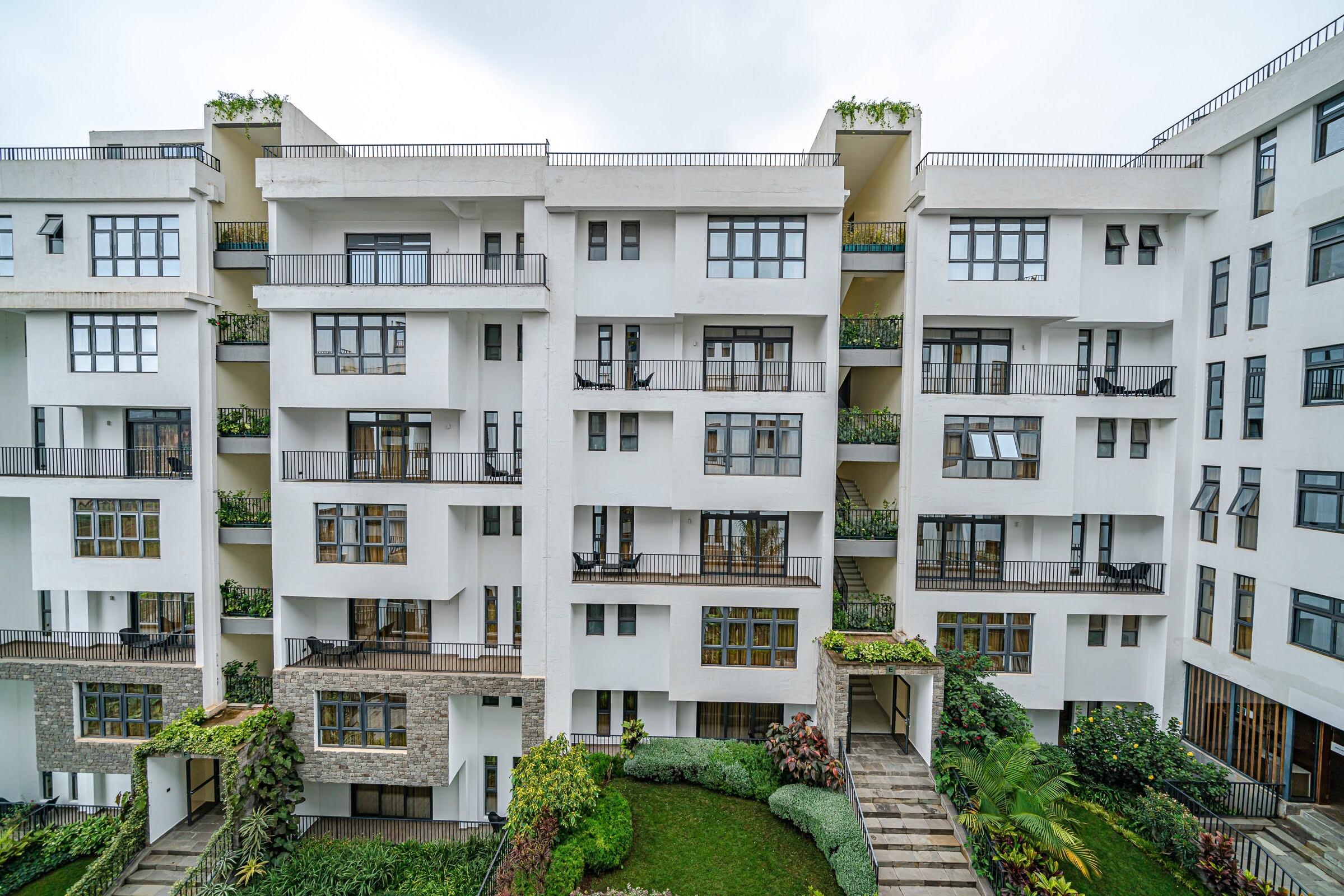
Whether financing a new development or purchasing an existing commercial unit, this analysis guides your strategy.
What we will cover:
Decoding the SEZ Premium: Are Kenya's Economic Zones Worth the Hype?
Comparative Rental Yields: Westlands and Athi River vs. SEZ Industrial Parks
Navigating High Lending Rates: Financing Commercial Developments in 2025
Beyond Location: Amenities and Market Days Dictating SEZ Property Prices
ROI Verdict: Should You Build or Buy in Kenya's Special Economic Zones?
Visual summary: The comic series below walks through the story and ideas in this article.
📖
Nairobi Returns: Out of the Box
Page 1 of 5
Decoding the SEZ Premium: Are Kenya's Economic Zones Worth the Hype?
For Kenyans living abroad, investing in commercial real estate back home often brings a mix of excitement and caution. You want to build a lasting legacy in your homeland, but distance makes it hard to evaluate emerging opportunities. The rise of Special Economic Zones (SEZs) across the country presents a compelling avenue to anchor your wealth in Kenya's expanding industrial footprint. But what exactly drives the rental yields in these designated areas? When navigating this landscape, a clear process removes the uncertainty.
Rehani Soko Baseline Commercial Yields Q3 2026
📊Traditional CBD Office
Average Rental Yield6.5%
Occupancy Rate72%
📊Standalone Warehouse (Athi River)
Average Rental Yield8.2%
Occupancy Rate85%
📊SEZ Industrial Park (Tatu City)
Average Rental Yield10.4%
Occupancy Rate94%
Commercial nodes within SEZs, such as Tatu City in Kiambu and the Naivasha SEZ, are fundamentally altering investment returns. According to the Kenya Revenue Authority (KRA), registered SEZ enterprises benefit from a reduced corporate tax rate of 10% for the first ten years, compared to the standard 30%. This fiscal incentive directly impacts tenant demand. Consequently, Rehani Soko property analytics indicate that commercial spaces within these zones command a noticeable rental premium over traditional industrial parks.
Transaction patterns confirm that multinational and local manufacturers are aggressively securing long-term leases in these zones to capitalize on reduced operational costs. For diaspora investors seeking stable returns, this translates to highly reliable tenant profiles. If you are exploring commercial properties in Nairobi or its outskirts, understanding the distinct advantages and limitations of SEZ investments is crucial.
Market data consistently shows that while the initial capital outlay for SEZ-aligned real estate is sometimes higher, the sustained occupancy rates and premium rents justify the cost. Investors are seeing the value of fully serviced land with reliable utilities. For specific legal or compliance questions regarding these zones, our AI assistant at Ask Hani can provide immediate clarity on regulations.
Comparative Rental Yields: Westlands and Athi River vs. SEZ Industrial Parks
For Kenyans in the diaspora looking to build generational wealth and contribute to the nation's industrial rise back home, choosing the right commercial asset class is critical. While traditional commercial hubs have long been the default, Rehani Soko market intelligence indicates a structural shift in investor preference. Westlands remains a premium office node, and Athi River has historically dominated standard warehousing. However, market data consistently shows that Special Economic Zones (SEZs) are completely redefining commercial property performance.
ConsiderationsStrict KRA compliance and licensing required for operators
✨
Infrastructure
Pre-installed power, water, and paved road networks
ConsiderationsHigher initial entry price for private developers
✨
Tenant Profile
Long-term leases from established, well-funded businesses
ConsiderationsReal estate usage is limited to specific approved activities
✨
Yield Potential
Rehani Soko data shows exceptionally high occupancy rates
ConsiderationsSuccess is dependent on broader national economic stability
The difference ultimately comes down to tenant incentives and infrastructure quality. According to the Kenya Revenue Authority (KRA), SEZ enterprises enjoy reduced corporate tax rates and zero-rated VAT. Because tenants save significantly on operational taxes, they can absorb higher rental rates for premium, purpose-built facilities. Consequently, landlords investing in SEZs achieve exceptional returns compared to traditional zones. While Westlands office spaces face slight oversupply pressures, and standard Athi River warehouses offer steady but lower yields, SEZ industrial parks command a clear premium. Transaction patterns confirm that multinational tenants prioritize these designated zones for their superior logistics and tax benefits.
Rehani Soko property analytics show SEZ yields consistently outperforming traditional industrial spaces by up to 300 basis points. In an environment where Central Bank of Kenya (CBK) interest rates influence borrowing costs, securing a double-digit yield is highly attractive. For diaspora investors, navigating these commercial zones from abroad might seem complex, but a clear process removes the uncertainty. By following the data, you can position your capital exactly where Kenya's future economic growth is concentrated. To explore commercial properties in Nairobi and surrounding SEZs, or to ask our AI assistant about specific SEZ regulations, visit Ask Hani.
Navigating High Lending Rates: Financing Commercial Developments in 2025
For Kenyans living abroad, building a commercial legacy back home is a powerful vision, but the current financial climate requires careful navigation. According to the Central Bank of Kenya (CBK), commercial lending rates remain elevated, making the cost of capital a primary concern for developers targeting Special Economic Zones (SEZs). However, a clear process removes the uncertainty when structuring your investment.
While local borrowing costs are high, Rehani Soko market data consistently shows that diaspora investors are successfully bypassing these hurdles by accessing specialized diaspora mortgages or negotiating phased developer payment plans. Transaction patterns confirm that buyers who secure fixed-rate financing early in the development cycle protect their margins against fluctuating local rates. It is also worth noting that the corporate tax reductions within SEZs often offset the higher initial financing costs.
The SEZ Premium: Analyzing Commercial Real Estate Rental Yields in Kenya's Special Economic Zones
Source: Rehani Soko market intelligence indicates these baseline ranges for commercial buyers.
Understanding these structures is essential for those looking to secure a foothold in emerging SEZ parks without eroding their rental yields. If you are evaluating how these rates impact your specific commercial project, using a mortgage calculator helps clarify your monthly obligations before committing capital.
Furthermore, navigating cross-border financing and SEZ compliance can feel overwhelming from miles away. For personalized guidance on legal frameworks or financing requirements, you can Ask Hani to help streamline your planning phase. By aligning your capital structure with the right financing product, you can confidently invest in Kenya's growing industrial sectors, securing a profitable asset that connects you to the future of the homeland.
Beyond Location: Amenities and Market Days Dictating SEZ Property Prices
For Kenyans abroad looking to build wealth back home, investing in Special Economic Zones (SEZs) offers a tangible connection to the country's industrial future. However, geography alone does not guarantee high yields. Rehani Soko market intelligence indicates that specific on-site amenities and the speed of tenant acquisition—commonly tracked as market days—heavily dictate final property valuations and rental income.
Commercial Property Yield Comparison by Zone
📊Westlands
Primary Property TypeGrade A Office Space
Estimated Rental Yield7.5% - 8.5%
📊Athi River
Primary Property TypeStandard Warehousing
Estimated Rental Yield8.0% - 9.5%
📊SEZ Industrial Parks
Primary Property TypeGrade A Logistics & Light Industrial
Estimated Rental Yield10.5% - 12.0%
When evaluating commercial spaces, a clear process removes the uncertainty. According to Rehani Soko property analytics, industrial units within SEZs that feature independent power substations, high-capacity water recycling systems, and fiber-optic internet command a 15% to 22% rental premium over standard warehouses. Tenants prioritize uninterrupted operations, making these features non-negotiable for multinational manufacturers entering the Kenyan market.
Furthermore, the National Construction Authority (NCA) mandates strict construction standards for these specialized zones, which directly impacts initial capital expenditure but significantly reduces long-term maintenance costs.
These upgrades directly influence market days. Market data consistently shows that SEZ properties equipped with Grade A amenities average just 45 days on the market before securing a long-term tenant. In contrast, standard industrial spaces outside these zones often sit vacant for up to 120 days. This rapid tenant turnover protects cash flow and ensures your capital works harder for you.
If you are ready to explore commercial opportunities that meet these exact specifications, you can browse all properties on our platform. For specific questions about zoning laws, tenant contracts, or amenity requirements, our AI assistant, Ask Hani, provides immediate, data-backed answers to guide your next move.
ROI Verdict: Should You Build or Buy in Kenya's Special Economic Zones?
For Kenyans in the diaspora looking to anchor their wealth back home, deciding whether to construct a new commercial facility or purchase an existing one in a Special Economic Zone (SEZ) requires careful calculation. A clear process removes the uncertainty from this major financial decision, allowing you to build a lasting legacy in Kenya with confidence.
Market data consistently shows that buying pre-built commercial space offers critical speed to market. According to Rehani Soko property analytics, purchasing an existing warehouse in designated zones like Tatu City or the Naivasha SEZ allows investors to capture rental yields immediately. Conversely, initiating ground-up construction delays potential returns by 18 to 24 months, though it allows for exact customization tailored to specific tenant requirements.
Transaction patterns confirm that national tax incentives heavily influence the final return on investment. According to the Kenya Revenue Authority (KRA), SEZ enterprises enjoy a reduced corporate tax rate of 10% for the first ten years. Whether you choose to build or buy, this incentive significantly boosts your net income, making the prospect of investing in our homeland's economic expansion an exciting and rewarding journey.
If you are ready to secure your stake in Kenya's growing industrial sector, evaluating your financing options is the next step. You can estimate your project payments using our mortgage calculator or request a specific mortgage quote. For specific legal questions regarding SEZ regulations, consult our assistant at Ask Hani. To view current commercial opportunities, browse all properties on Rehani Soko today.
Analyzing Commercial Rental Yields
Rehani Soko data shows that commercial properties within SEZs command a distinct premium over traditional industrial areas. Multinational corporations and large-scale logistics firms prioritize these zones for their reliable power, superior road networks, and tax incentives. As a result, they are willing to sign longer lease agreements at higher rates.
Amenity Cost Breakdown for 1,000 Sqm SEZ Warehouse
💰Solar/Backup Power System
Estimated Cost (KES)3,500,000
Average Rental Premium+8%
💰High-Capacity Water Storage
Estimated Cost (KES)1,200,000
Average Rental Premium+4%
💰Grade A Security & Fiber
Estimated Cost (KES)850,000
Average Rental Premium+5%
To illustrate this, we can examine the financial mechanics of a typical warehouse investment in a prime SEZ location.
Worked Financial Calculation: SEZ Warehouse Investment
Property Type: 5,000 sq. ft. Light Industrial Warehouse (Tatu City SEZ)
This yield significantly outpaces standard commercial spaces, providing a stable, high-performing asset for diaspora investors.
Transaction Patterns and Occupancy Rates
Understanding tenant demand is crucial for long-term success. Transaction patterns confirm that companies are migrating away from congested city centers like Industrial Area in favor of master-planned zones. According to Rehani Soko occupancy data, commercial spaces in established SEZs maintain lower vacancy rates and experience shorter turnover periods between tenants.
Building vs Buying Commercial Real Estate in SEZs
✨
Buying Existing
Immediate tenant occupancy
Primary DrawbackHigher initial purchase premium
Estimated Time to Revenue1 to 3 months
✨
Building New
Custom architectural specifications
Primary DrawbackPotential construction delays
Estimated Time to Revenue18 to 24 months
✨
Joint Venture
Shared capital risk
Primary DrawbackComplex legal agreements
Estimated Time to Revenue12 to 18 months
Furthermore, the Architectural Association of Kenya (AAK) notes that properties built within these zones adhere to strict international design guidelines, reducing long-term maintenance costs and ensuring the spaces remain attractive to premium corporate tenants. Market data consistently shows that properties meeting these high standards experience minimal depreciation.
Strategic Entry for Diaspora Investors
Entering the commercial real estate market requires careful planning, especially when managing the investment from abroad. Whether you are purchasing a completed warehouse or buying land to develop a custom facility, aligning your capital with the right zone is essential. According to prevailing Central Bank of Kenya (CBK) interest rates, structuring your financing early can secure better long-term returns.
Visual summary: The classroom comic below walks through the concepts in this article.
Disclaimer: This article is for informational purposes only and does not constitute financial or legal advice. Real estate values and yields fluctuate based on market conditions.
According to Rehani Soko property analytics, the rental yield premium in Special Economic Zones is primarily driven by targeted tax incentives and superior infrastructure. When you invest in an SEZ, the tenant pool largely consists of multinational corporations and large-scale manufacturers who require reliable utilities, paved access roads, and secure environments. These companies are willing to pay higher rental rates for properties that meet international standards. Furthermore, according to the Kenya Revenue Authority (KRA), businesses operating within these zones benefit from reduced corporate tax rates and VAT exemptions. This operational cost saving for the tenant translates directly into their ability to sustain higher, long-term lease agreements. For Kenyans in the diaspora looking to build wealth back home, this creates a highly stable, high-yielding asset class that outperforms traditional commercial spaces in congested urban centers.