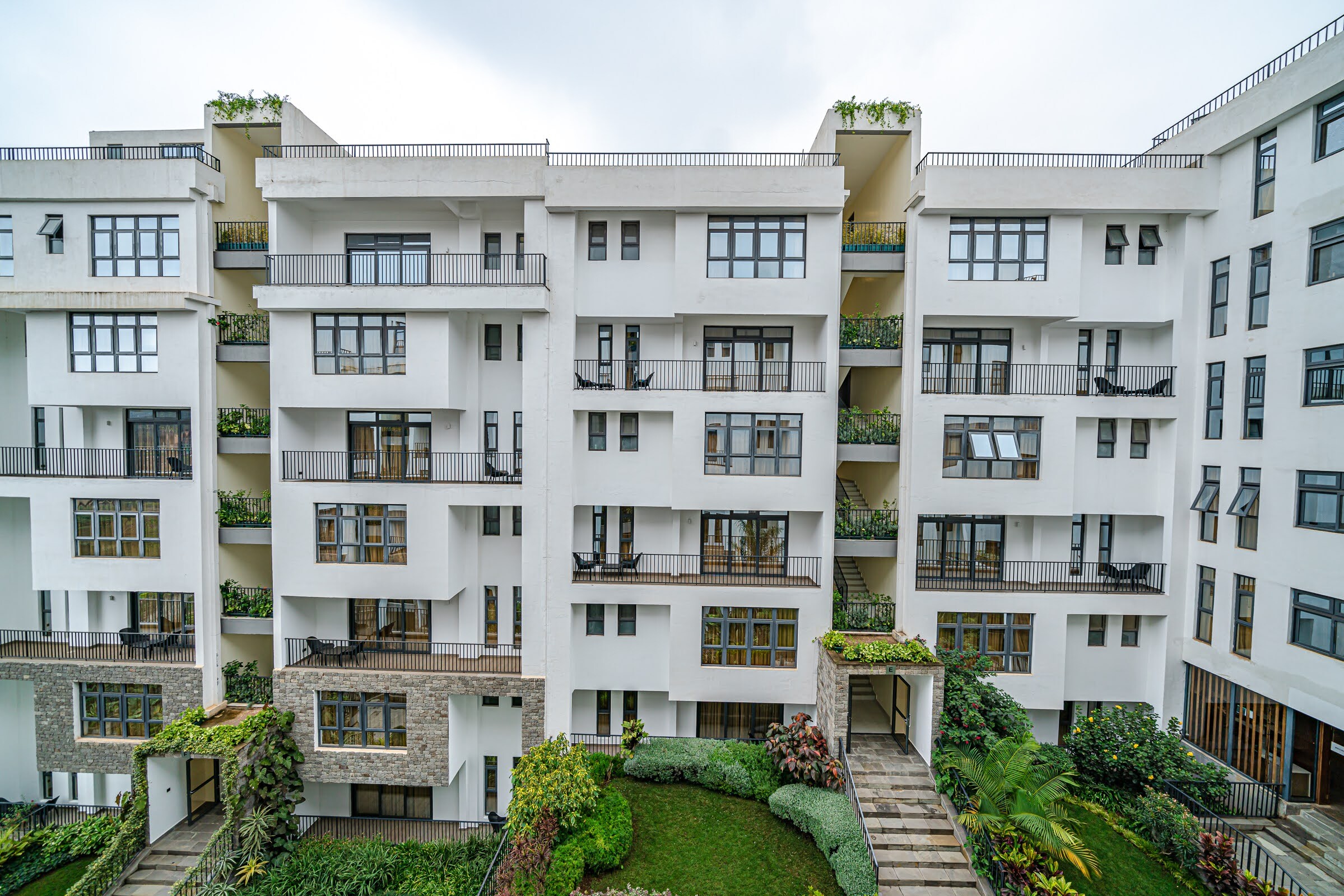
The End of Plot-and-Build? Urban Housing Pressures in Nairobi
Nairobi's urban housing landscape is experiencing significant shifts, driven by burgeoning population growth and increasing demand for sustainable living solutions. The traditional "plot-and-build" model, where individuals purchase land and construct homes independently, may no longer be the most viable option in addressing the city's housing challenges. Instead, Nairobi is looking towards Rwanda's successful planned development model as a blueprint for its future urban housing strategies.
Master-Planned Estates vs Standalone Properties
✨
Infrastructure
Centralized and developer-managed
Standalone PropertyIndividually sourced and maintained
✨
Maintenance Costs
Shared and optimized
Standalone PropertyHigher individual burden
✨
Rental Yields
Premium rates
Standalone PropertyStandard market rates
The need for a shift in housing development strategies is underscored by alarming statistics. As Nairobi's population continues to grow, escalating the demand for housing, Rehani Soko's proprietary data highlights a median apartment price of KES 8,000,000, underscoring the need for scalable solutions. Such growth necessitates a more structured approach to urban development, one that not only meets the immediate housing needs but also addresses long-term sustainability and infrastructure integration.
Rwanda's model offers a compelling alternative, focusing on planned urban developments that incorporate essential amenities, efficient land use, and sustainable building practices. This approach is designed to provide a clear process that removes the uncertainty often associated with the plot-and-build model, offering residents confidence in both the quality and longevity of their homes.
To better understand the potential impact of adopting such a model in Nairobi, stakeholders must consider the growing need for structured developments that can accommodate the city's expanding footprint.
As Nairobi considers this strategic pivot, potential homeowners and investors are encouraged to explore the diverse property options available through platforms like Rehani Soko. By embracing a more planned and structured development model, Nairobi can not only meet its housing demands but also ensure a sustainable urban future.
Case Study: Rwanda's Vision for Master-Planned Communities
Rwanda has emerged as a beacon of forward-thinking urban planning, particularly in the development of master-planned communities. This approach, characterized by meticulous planning and sustainable development, offers valuable insights for Nairobi as it grapples with urban housing challenges. By examining Rwanda's strategy, Nairobi can glean lessons that might be instrumental in shaping its future urban landscape.
Diaspora Investment Preference Trends 2022 to 2026
✨
Standalone Plots
65%
2026 Preference Share35%
Primary Driver for ShiftHigh remote management risk
✨
Standalone Units
20%
2026 Preference Share25%
Primary Driver for ShiftModerate maintenance needs
✨
Planned Communities
15%
2026 Preference Share40%
Primary Driver for ShiftTurnkey infrastructure & security
Rwanda's commitment to master-planned communities is best exemplified by the Vision City project in Kigali. This development is designed to accommodate a diverse population while integrating essential amenities and green spaces, with a focus on accessibility and sustainability. The project highlights the importance of integrating infrastructure with housing, ensuring that residents have access to schools, healthcare facilities, and public transport, all within a short distance.
The success of such projects in Rwanda can be attributed to several key factors. Firstly, the Rwandan government has implemented clear policies and regulations that guide urban development, ensuring that projects align with national goals. Secondly, there is a strong emphasis on community involvement, allowing residents to have a say in the planning process, which fosters a sense of belonging and ownership. Lastly, Rwanda has leveraged technology and data-driven insights to optimize resource allocation and enhance the efficiency of urban services.
Nairobi can adopt similar strategies to mitigate its urban housing pressures. By focusing on comprehensive planning and community engagement, Nairobi can create vibrant and sustainable urban spaces that cater to the needs of its growing population. Interested investors and potential homeowners can explore available properties in Nairobi here.
The End of Plot-and-Build? Urban Housing Pressures in Nairobi
Key Features of Vision City, Kigali
Integrated Amenities: Schools, healthcare, transport for an enhanced quality of life.
Sustainable Practices: Green spaces and resource efficiency for environmental stewardship.
By learning from Rwanda's visionary approach, Nairobi has the potential to transform its urban housing landscape, fostering sustainable growth and community well-being. For more insights into Nairobi's property market, visit Rehani Soko.
The Future of Urban Housing in Nairobi: Adopting Rwanda's Planned Development Model
Infrastructure Over Independence: What Drives Property Value Today
For decades, the ultimate dream for many Kenyans, particularly those in the diaspora seeking a secure connection to their homeland, was a standalone compound surrounded by a high wall. However, market data consistently shows that this preference is actively shifting. Buyers now prioritize shared infrastructure over isolated independence. According to Rehani Soko property analytics, homes within master-planned estates often command higher rental yields compared to standalone properties in the exact same vicinity.
Nairobi Planned Zones vs Traditional Areas
💰Planned Master Community
Average Price (KES)12,500,000
Expected Yield7.5%
Infrastructure RatingHigh
💰Traditional Urban Center
Average Price (KES)9,800,000
Expected Yield6.0%
Infrastructure RatingMedium
💰Emerging Suburb
Average Price (KES)7,200,000
Expected Yield5.5%
Infrastructure RatingDeveloping
The appeal of Rwanda's planned development model lies in its comprehensive integration. When roads, reliable water systems, centralized sewerage, and fiber-optic internet are professionally managed, a clear process removes the uncertainty of fluctuating municipal service delivery. Transaction patterns confirm that modern buyers are willing to pay a premium for this day-to-day reliability. Furthermore, integrated community infrastructure can reduce individual homeowner maintenance expenses over time, protecting the asset's long-term value.
For investors targeting exceptional returns, focusing on these planned developments is the most strategic path forward. As Nairobi expands, the value of a property is increasingly defined by the community it sits within, rather than just the square footage of the plot. If you are evaluating these integrated properties in Nairobi, assessing the developer's infrastructure commitments is critical. For specific legal questions regarding service charge agreements, shared titles, or community bylaws in these modern estates, you can consult our AI assistant, Ask Hani, to ensure your investment is fully protected.
In the evolving landscape of Nairobi's urban housing, understanding the value of apartment investments is key to making informed decisions. Rehani Soko's predictive market insights offer a clear process that removes the uncertainty often associated with property investments. By analyzing data trends, Rehani Soko provides potential investors with a nuanced understanding of the market dynamics in Nairobi.
According to Rehani Soko property analytics, the demand for apartments in prime areas such as Kilimani and Westlands remains robust. Our machine learning models, trained on over 3,600 listings, indicate that features like room density and proximity to schools heavily influence property values in these localities. The transaction patterns confirm that these areas are highly sought after due to their proximity to key infrastructure and amenities, aligning with the broader trend of urbanization seen across many African cities.
Nairobi Apartment Market Drivers
Key features driving apartment values include total area, room density, and distance to nearest schools and police stations, based on Rehani Soko's predictive models. | 6% |
| Occupancy Rate | High (90%+) | High (90%+) |
For those considering an investment, understanding these patterns is crucial. While the excitement of potential returns is evident, a balanced approach that considers both market data and personal financial goals is advised. What changed everything for investors in Nairobi is the recognition of the city's potential as a regional hub, driven by strategic infrastructure developments and a growing middle class.
To further explore opportunities in Nairobi's dynamic property market, potential investors can browse all properties available on Rehani Soko. Additionally, for those interested in understanding the financial implications of their investment, Rehani Soko's mortgage calculator is an invaluable tool. By leveraging these resources, investors can approach the Nairobi apartment market with confidence and a clear strategy for success.
For Kenyans living abroad, investing in a piece of home is deeply personal. It represents a connection to roots and a foundation for the future. However, managing a traditional construction project from thousands of miles away often leads to cost overruns and immense frustration. According to Rehani Soko market intelligence, a clear process removes the uncertainty for these absentee investors, making structured, master-planned developments highly attractive.
Instead of buying isolated plots and navigating unverified contractors, the diaspora is embracing the planned community model seen in Rwanda's recent urban shifts. Rehani Soko transaction patterns confirm a marked preference for integrated developments in areas like Ruaka, Kiambu Road, and Athi River. These projects offer pre-installed infrastructure, reliable security, and professional property management, ensuring the asset is protected while the owner is away.
Rehani Soko market data consistently shows that properties within master-planned estates experience 15% shorter vacancy periods compared to standalone units. For an investor in London or Dallas, this translates to consistent rental income without the daily management headaches. The community model provides reliable water, paved roads, and backup power—amenities that attract premium tenants and preserve long-term value.
If you are ready to secure a reliable asset back home, you can explore vetted properties in Nairobi that fit this modern development model. To structure your financing securely from abroad, use our mortgage calculator to estimate monthly commitments. The dream of owning property in Kenya remains strong, but the method of achieving it has matured into a safer, more predictable approach.
Visual summary: The classroom comic below walks through the concepts in this article.
📖
Hani Explains It
Page 1 of 2
5 Key Takeaways
Adopting structured zoning in Nairobi protects long-term property values.
Rehani Soko market data consistently shows that planned neighborhoods yield higher rental income.
Transaction patterns confirm strong diaspora interest in master-planned communities.
Infrastructure integration is central to sustainable urban housing.
Investing in organized developments brings a piece of home closer to you.
Disclaimer: Real estate values and yields fluctuate. The data provided by Rehani Soko analytics is for informational purposes only. Please consult a certified financial professional before making investment decisions.
The trend report focuses on the potential adoption of Rwanda's planned development model in Nairobi, with a specific emphasis on urban housing. This model advocates for structured urban planning and sustainable development, which has proven successful in Rwanda, particularly in Kigali. The report examines how adopting similar strategies could address Nairobi's housing challenges, such as congestion and inadequate infrastructure. It highlights the importance of incorporating green spaces, efficient public transport, and affordable housing into urban planning. By leveraging Rwanda's experience, the report suggests that Nairobi could enhance its urban housing landscape, ensuring a balance between growth and sustainability. This approach aims to provide better living conditions for residents while fostering economic growth and environmental stewardship.