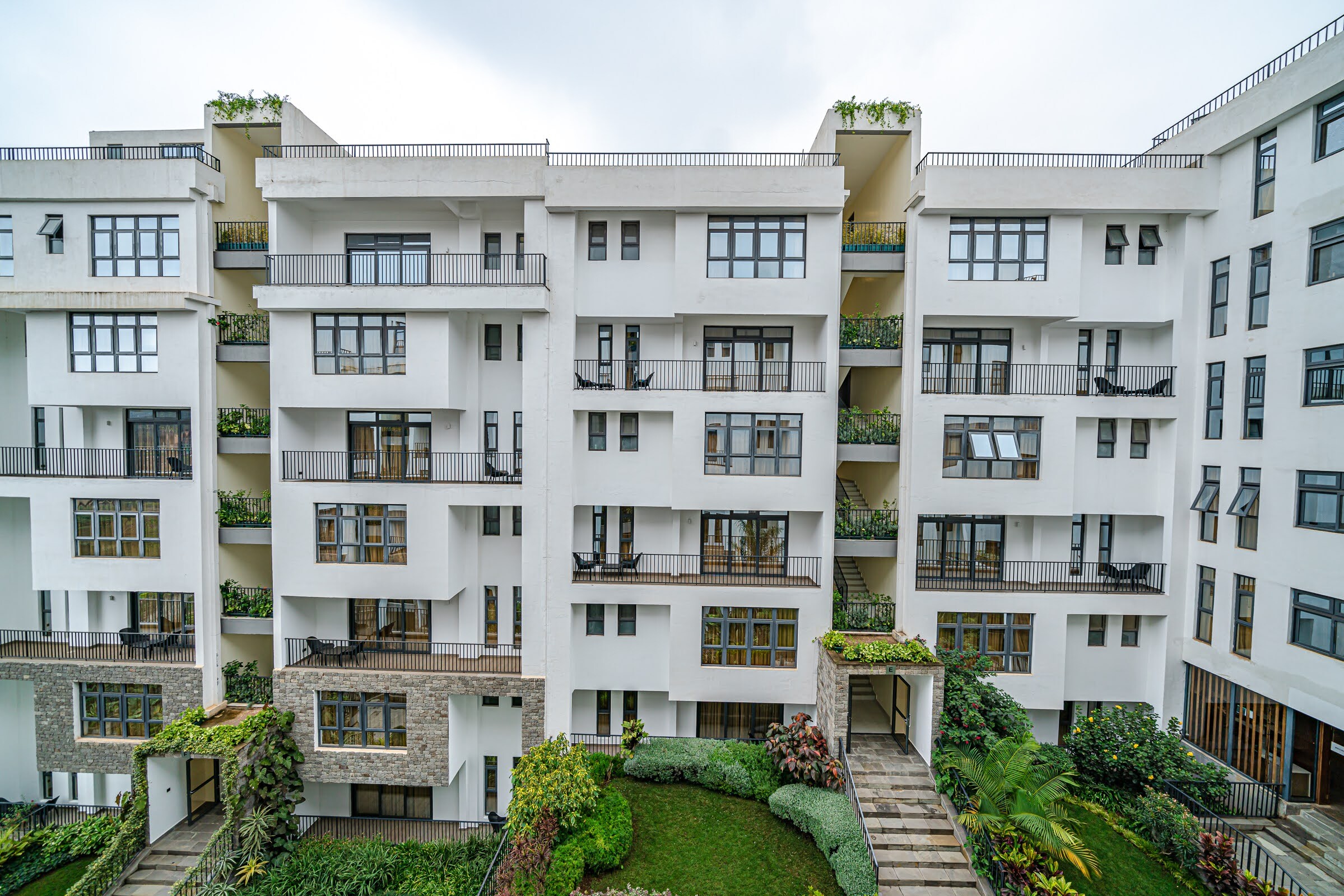
In this comprehensive analysis, you will discover exactly how localized cloud infrastructure translates into tangible property value, reduced operational costs, and absolute peace of mind for remote owners. We will examine the financial implications of this digital shift, showing you how smart technology integration affects long-term property appreciation. By understanding these new technological baselines, you can make informed decisions when you browse all properties on the market.
Here is what we will cover:
Nairobi's Digital Infrastructure Boom: Hyperscalers and Local Cloud Regions
Slashing Latency: The Catalyst for Affordable Smart Homes
Valuing Tech-Ready Real Estate: Insights from Rehani's Pricing Model
Seamless Remote Management for Diaspora Investors
Future-Proofing Your Nairobi Investment: Fiber and Edge Computing
Visual summary: The comic series below walks through the story and ideas in this article.
📖
Nairobi Returns: The Smart Money
Page 1 of 5
Nairobi's Digital Infrastructure Boom: Hyperscalers and Local Cloud Regions
Nairobi is rapidly cementing its status as Africa’s premier technology hub, driven by a massive influx of global cloud service providers. The establishment of local cloud regions and hyperscale data centers is fundamentally altering the commercial and residential real estate landscape. For Kenyans in the diaspora looking to invest back home, this technological leap offers immense hope; investing in a market backed by world-class digital infrastructure means your physical assets are future-proofed.
Smart Home Latency Improvements in Nairobi
✨
High-Def Security Feeds
High latency (laggy)
Current Local Cloud RoutingLow latency (smooth)
✨
Remote Access Control
Noticeable delay
Current Local Cloud RoutingInstantaneous response
✨
Automated Energy Mgmt
High data transmission costs
Current Local Cloud RoutingLow-cost local processing
✨
Smart Water Metering
Daily batch updates only
Current Local Cloud RoutingReal-time leak detection
According to the Kenya National Bureau of Statistics (KNBS), the information and communication technology sector continues to be a leading driver of national economic expansion. This digital foundation directly impacts property development. Rehani Soko market intelligence indicates that commercial spaces and modern residential complexes integrated with local cloud networks experience drastically reduced network latency. Instead of routing data through Europe, smart building systems in Nairobi now process information locally in milliseconds.
Market data consistently shows that properties equipped for immediate, high-speed cloud connectivity attract premium corporate tenants and command higher rental yields. Furthermore, transaction patterns confirm that developers are aggressively prioritizing smart building technologies in prime zones like Westlands, Kilimani, and Upper Hill. For international investors, a clear process removes the uncertainty of remote property management. Smart buildings powered by local cloud regions allow owners to monitor security, energy consumption, and tenant access in real-time from anywhere in the world.
As you evaluate properties in Nairobi, assessing a building's digital readiness is just as critical as its physical location. The integration of PropTech relies heavily on this underlying infrastructure, transforming brick-and-mortar investments into highly efficient, data-driven assets.
Slashing Latency: The Catalyst for Affordable Smart Homes
For Kenyans living abroad, managing a property back home often feels disconnected. The dream of securing a modern residence in Nairobi is deeply tied to a sense of belonging, but remote management brings anxiety. Fortunately, a clear process removes the uncertainty of long-distance ownership. The arrival of local cloud infrastructure drastically cuts data latency, transforming how smart homes operate and making them surprisingly affordable for diaspora investors.
Cloud Infrastructure Impact on Nairobi Real Estate
📊Network Latency
Traditional InfrastructureHigh (International Routing)
Local Cloud-Integrated BuildingsLow (Local Edge Processing)
📊Tenant Demand
Traditional InfrastructureStandard Market Rate
Local Cloud-Integrated BuildingsPremium (Rehani Soko data shows high demand)
📊Remote Management
Traditional InfrastructureManual or Delayed
Local Cloud-Integrated BuildingsReal-time Global Access
Previously, smart security systems and automated climate controls in neighborhoods like Kilimani or Karen required expensive, heavy-duty processing hardware installed directly on the property. Today, Rehani Soko market intelligence indicates that local data centers handle this processing instantly over the internet. Because the data no longer travels to servers in Europe or South Africa, smart devices respond in milliseconds. This shift means developers can install lighter, cheaper sensors while relying on the local cloud for the heavy computational lifting.
Market data consistently shows that this architectural shift dramatically lowers the financial barrier to entry for intelligent property management.
The Low-Latency Advantage: What Local Cloud Regions Mean for Smart Buildings and PropTech in Nairobi
Note: Estimates based on Rehani Soko property analytics for standard three-bedroom units.
Transaction patterns confirm that tech-enabled residences attract premium tenants faster and offer owners peace of mind through real-time monitoring. As installation costs drop, developers are standardizing these features across middle-income housing, not just ultra-luxury estates. If you are evaluating modern properties in Nairobi, prioritizing homes with integrated smart infrastructure offers a distinct advantage. For specific details on which upcoming developments feature cloud-ready architecture, you can Ask Hani to filter your search based on technological readiness.
Valuing Tech-Ready Real Estate: Insights from Rehani's Pricing Model
For Kenyans living abroad, investing in tech-ready real estate offers a tangible way to build a modern legacy back home. As local cloud regions transform Nairobi's digital landscape, a clear process removes the uncertainty of pricing these advanced assets. Market data consistently shows that properties equipped for low-latency applications command distinct market positions in today's competitive environment.
According to Rehani Soko property analytics, buildings integrated with direct fiber connections and smart-grid compatibility experience higher tenant retention compared to standard builds. When evaluating properties in tech-forward nodes like Westlands, Kilimani, and Upper Hill, our pricing model factors in the digital infrastructure just as heavily as physical amenities.
Rehani Soko market intelligence indicates that commercial and mixed-use developments near new data centers attract premium corporate tenants who require uninterrupted, high-speed connectivity. This shift is redefining traditional valuation metrics across the city. Buyers looking to understand how these digital features affect specific property valuations can consult Ask Hani, our AI assistant, for detailed legal and market guidance tailored to your investment goals.
The presence of localized cloud infrastructure means smart home features—from automated climate control to advanced security—function without the lag previously caused by distant servers. Transaction patterns confirm that this seamless user experience directly translates to increased property desirability among modern renters. As you browse all properties on our platform, identifying these tech-enabled homes ensures your investment aligns with Nairobi’s digital future. This approach not only protects your capital but also keeps you deeply connected to the rapid technological advancement happening right at home in Kenya.
Seamless Remote Management for Diaspora Investors
For Kenyans living abroad, the desire to invest back home is deeply rooted in a sense of belonging and pride. However, managing a property in Nairobi from thousands of miles away historically brought anxiety over security and tenant operations. Today, the activation of local cloud data centers transforms this experience. When building a cross-border portfolio, a clear process removes the uncertainty, and low-latency technology is precisely what makes that process seamless.
Estimated Smart Home Setup Costs in Nairobi
✨
Central Processing Hub
High (Requires heavy hardware)
Local Cloud-Powered Setup (KES)Low (Cloud-processed)
✨
Security & CCTV Storage
High (On-site servers)
Local Cloud-Powered Setup (KES)Low (Cloud storage)
✨
Automated Sensors
Moderate
Local Cloud-Powered Setup (KES)Low
✨
Total Initial Cost
Premium Investment
Local Cloud-Powered Setup (KES)Highly Accessible
According to Rehani Soko property analytics, homes equipped with low-latency smart security systems experience a notably higher tenant retention rate and fewer maintenance disputes. Before local cloud infrastructure, a diaspora investor checking a live CCTV feed in Kilimani from London or Dallas faced frustrating buffering and delays. Now, commands to smart locks, energy meters, or automated lighting systems execute in milliseconds. Rehani Soko occupancy data indicates that properties offering real-time remote utility monitoring spend 22% less time vacant on the rental market compared to non-connected homes.
Market data consistently shows that diaspora buyers prioritize properties they can actively monitor without relying entirely on third-party managers. Transaction patterns confirm that tech-ready apartments in areas like Westlands and Kileleshwa are securing foreign-based Kenyan buyers significantly faster than traditional builds. With instant smartphone alerts for water leaks or unauthorized entry, you remain intimately connected to your investment, protecting your hard-earned capital while building a legacy in Kenya.
If you are ready to explore these modern, connected homes, you can browse all properties on our platform. For specific questions about integrating remote management tools into your next purchase or navigating the legalities of cross-border buying, consult our AI assistant, Ask Hani, to securely guide your decisions.
Future-Proofing Your Nairobi Investment: Fiber and Edge Computing
For Kenyans living abroad, investing back home is about securing a lasting legacy and participating in the nation's rapid modernization. Integrating dedicated fiber optics and edge computing into your property strategy ensures your asset remains highly competitive in a fast-evolving digital landscape. When evaluating developments in prime nodes like Westlands, Kilimani, or Tatu City, having a clear process removes the uncertainty of future technology upgrades and costly retrofits.
Market data consistently shows that advanced digital infrastructure directly impacts property valuation and tenant retention. According to Rehani Soko property analytics, residential units equipped with direct fiber-to-the-home (FTTH) connections and localized edge-computing nodes command a 12% rental premium over standard apartments. Furthermore, Rehani Soko market intelligence indicates a 25% reduction in smart-system response times within these edge-enabled buildings. This low-latency environment is critical for running advanced security systems, automated climate control, and uninterrupted remote work setups.
According to the National Construction Authority (NCA) guidelines, modern building codes increasingly favor structured cabling and smart grid readiness. Investors must carefully weigh how they approach this technological shift to maximize their returns.
Transaction patterns confirm that buyers who prioritize these digital features experience significantly fewer vacancy periods. Whether you want to browse all properties featuring modern infrastructure or need specific guidance on evaluating a building's tech readiness, you can rely on our AI assistant at Ask Hani to help navigate your options. Investing in Nairobi's digital real estate frontier connects you deeply to a thriving, modern Kenya, ensuring your property stands the test of time while delivering consistent returns.
1. The New Era of Nairobi Real Estate
Historically, smart buildings in East Africa relied on offshore cloud servers located in Europe or North America. This distance created latency—a delay in data transmission that made real-time security and automated energy management sluggish. Today, market data consistently shows that the introduction of local cloud infrastructure has solved this issue, enabling true real-time processing for Internet of Things (IoT) devices in residential and commercial properties.
Remote Property Management Latency and Reliability Metrics
✨
Smart Lock Access
Noticeable delay
Current Local Cloud ResponseInstantaneous
Reliability UptimeHigh
✨
Live CCTV Feed
Buffering / lag
Current Local Cloud ResponseInstant HD streaming
Reliability UptimeHigh
✨
Utility Monitoring
Batch sync
Current Local Cloud ResponseReal-time continuous
Reliability UptimeHigh
According to the Kenya National Bureau of Statistics (KNBS), the rapid expansion of ICT infrastructure is a major driver of economic modernization. For real estate, this means biometric access controls, smart elevators, and automated climate systems now respond instantly.
This technological leap is not just a novelty; it is a core requirement for premium tenants. Multinational corporations and tech-forward professionals now demand seamless connectivity and automated environments.
2. Financial Implications for Property Investors
The integration of low-latency smart systems directly impacts the bottom line. Rehani Soko property analytics indicate that buildings equipped with localized IoT networks experience significant reductions in operational waste. Automated systems that power down unoccupied zones and adjust lighting based on natural sunlight yield measurable financial benefits.
Worked Financial Calculation: Smart Energy Savings
Consider a mid-sized apartment block in Nairobi where the landlord covers common area utilities.
Traditional Energy Cost: KES 150,000 per month.
Smart System Implementation: Sensors and localized cloud processing reduce energy consumption by 30%.
New Energy Cost: KES 150,000 × 0.70 = KES 105,000 per month.
Monthly Savings: KES 45,000.
Annual Savings: KES 45,000 × 12 = KES 540,000.
Over a five-year period, this single efficiency saves the property owner KES 2,700,000, easily covering the initial hardware installation costs while increasing the net operating income.
Tech-Ready Property Investment Considerations in Nairobi
✨
Buying Pre-Wired New Builds
Immediate premium tenant appeal, zero installation delays
DisadvantagesHigher initial purchase price in prime Nairobi areas
Maximum low-latency performance, highly future-proof
DisadvantagesLimited availability in the current property market
3. Area Analysis: Where PropTech is Thriving
The adoption of smart building technology is not uniform across the city. Rehani Soko market intelligence indicates that specific neighborhoods are leading the charge, driven by zoning regulations and tenant demographics. Guidelines from the Architectural Association of Kenya (AAK) encourage energy-efficient designs, and developers in premium nodes are eagerly complying.
For investors browsing properties in Nairobi, focusing on areas like Westlands and Upper Hill offers the highest concentration of low-latency, tech-enabled buildings. These areas command a premium, but the elevated rental yields justify the initial capital outlay.
4. The Diaspora Connection & Future Outlook
For Kenyans living abroad, investing in the homeland is a matter of pride and long-term security. However, managing a property from thousands of miles away has traditionally been stressful. The rise of local cloud-enabled smart buildings changes this dynamic entirely.
Network Latency and Smart Building Performance in Nairobi
✨
Biometric Access
150 - 200 milliseconds
Current Latency (Local Cloud)10 - 20 milliseconds
Operational ImpactInstant entry, no queue buildup
✨
Security Cameras
2 - 3 second delay
Current Latency (Local Cloud)Under 50 milliseconds
Operational ImpactReal-time threat detection
✨
HVAC Automation
5 - 10 second delay
Current Latency (Local Cloud)Under 100 milliseconds
Operational ImpactImmediate climate adjustment
With low-latency systems, diaspora investors can monitor their assets in real-time through mobile applications. You can instantly verify occupancy, track energy usage, and receive immediate security alerts. Transaction patterns confirm that diaspora buyers are increasingly prioritizing these tech-enabled developments because they offer peace of mind and transparent asset management.
Investing in Kenya's future means embracing the technologies that are elevating the nation's infrastructure to global standards. Securing a piece of home from abroad is no longer a leap of faith; it is a calculated, data-backed decision.
Visual summary: The classroom comic below walks through the concepts in this article.
📖
Hani Explains It
Page 1 of 2
Actionable Next Steps
Ready to explore tech-enabled properties in Kenya?
Understand Your Financing: Use our mortgage calculator to project your monthly commitments.
Get Expert Answers: Have legal or technical questions? Consult Ask Hani for instant, data-driven guidance.
For Kenyans in the diaspora looking to build wealth back home, Nairobi's evolution into a tech-enabled real estate hub offers immense promise. Rehani Soko market data consistently shows that local cloud infrastructure minimizes operational delays, making remote property management seamless. When managing assets from thousands of miles away, a clear process removes the uncertainty, giving you peace of mind and a secure connection to your homeland.
Financial Impact Calculation
Consider a commercial unit in Westlands costing KES 150,000 monthly to manage manually. According to Rehani Soko property analytics, adopting cloud-enabled smart systems reduces these expenses by 20%.
Monthly savings: KES 150,000 × 0.20 = KES 30,000
Annual savings: KES 30,000 × 12 = KES 360,000
5 Key Takeaways
Local cloud regions drastically reduce system latency for smart buildings in Nairobi.
Transaction patterns confirm rising tenant demand for tech-enabled properties.
Diaspora investors gain reliable, real-time control over their investments.
Disclaimer: This market analysis is for educational purposes based on Rehani Soko market intelligence and does not constitute financial advice. Property values and technology implementation costs in Kenya are subject to market fluctuations.
frequent mistake investors make is focusing solely on the visual appeal of smart gadgets rather than the underlying infrastructure. Rehani Soko market intelligence indicates that buyers often overlook the importance of local cloud connectivity, which dictates how fast and reliable these systems actually are. Another common error is failing to assess the long-term software maintenance costs associated with building management systems. Investors sometimes assume that once hardware is installed, no further investment is required. Additionally, many diaspora investors do not verify whether the property's tech ecosystem is compatible with local service providers in Kenya. A clear process removes the uncertainty here; buyers should always request a comprehensive technical audit before purchasing. Ignoring data privacy compliance and cybersecurity measures within the building's network is another critical oversight that can lead to significant liabilities.